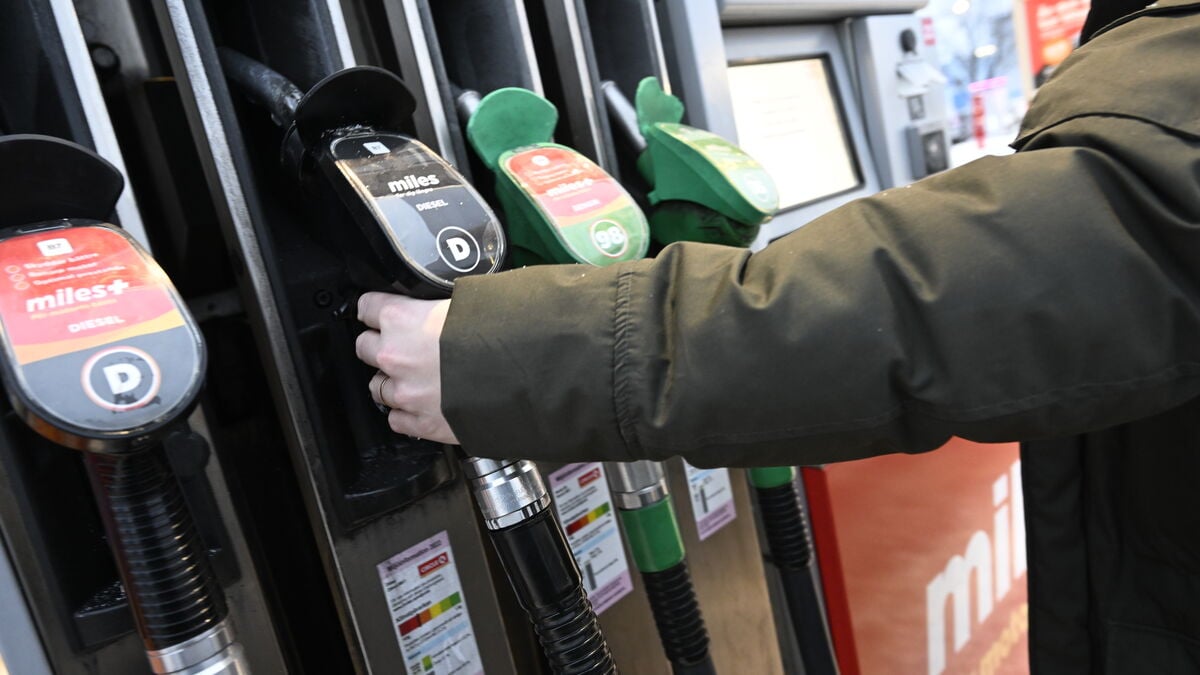
The price of gasoline in Sweden has risen significantly during the winter and spring, with the average price now close to 19 kronor per liter and diesel over 23 kronor per liter.
The primary reason is the war in Iran and the escalating situation in the Middle East, which is disrupting oil production and exports through areas such as the Strait of Hormuz.
Increased gasoline prices despite peace
The only thing that can reverse the trend and cause the price to drop is peace and for the US and the world to agree with Iran to open the Strait of Hormuz, so that oil deliveries can resume, says Christian Kopfer, commodities analyst at Arctic Securities.
Regardless of whether there is peace tomorrow, prices will be at an elevated level. Stocks need to be rebuilt, damage repaired, and production ramped up.
It is not about prices as high as $110 per barrel, but prices higher than $65-70 per barrel, which was the price level before the Iran war began, are to be expected, he says.
The fact that Russia's oil production has also been reduced by around 10-20 percent has contributed to higher prices in the past week, according to Kopfer.
If the situation remains as it is now, we are heading towards a very serious economic situation already by the summer. In that case prices will rise significantly.
Diesel prices are skyrocketing
Since the unrest in the Middle East took hold, the price of diesel has seen a significantly greater increase than that of gasoline. On February 28, the day the US attacked Iran, the price of diesel was SEK 17.30 per liter. Currently, the price per liter is SEK 23.40, an increase of around 38 percent since the start of the war.
The reason is specific disruptions to the diesel supply, to a greater extent than for crude oil, says Kopfer.
There is even less diesel than gasoline.
According to Kopfer, it is not possible to give any advice to consumers who are worried about high gas prices and about how to fill up their cars. However, you can make people and companies aware of the risks that exist, he says.
If this continues, the world economy, Europe's economy and the Swedish economy will suffer considerable damage this summer.
Correction: In a previous version, Christian Kopfer was given the wrong employer.