
At Gyldendahl Astra, AI is used to translate crime fiction, feel-good fiction and romance from English into Swedish.
“We would never use AI for poetry,” promises publishing director Petra Ward, who describes AI-translated books as “plot-driven rather than language-driven”.
The time factor is also crucial: AI is used for books that need to be published quickly.
“Twenty-five percent of all books sold today are in English, so if we are to have a chance of keeping books in Swedish, we have to publish them quite quickly. But we always have a human editor review the translations afterwards.”
“Democratic problem”
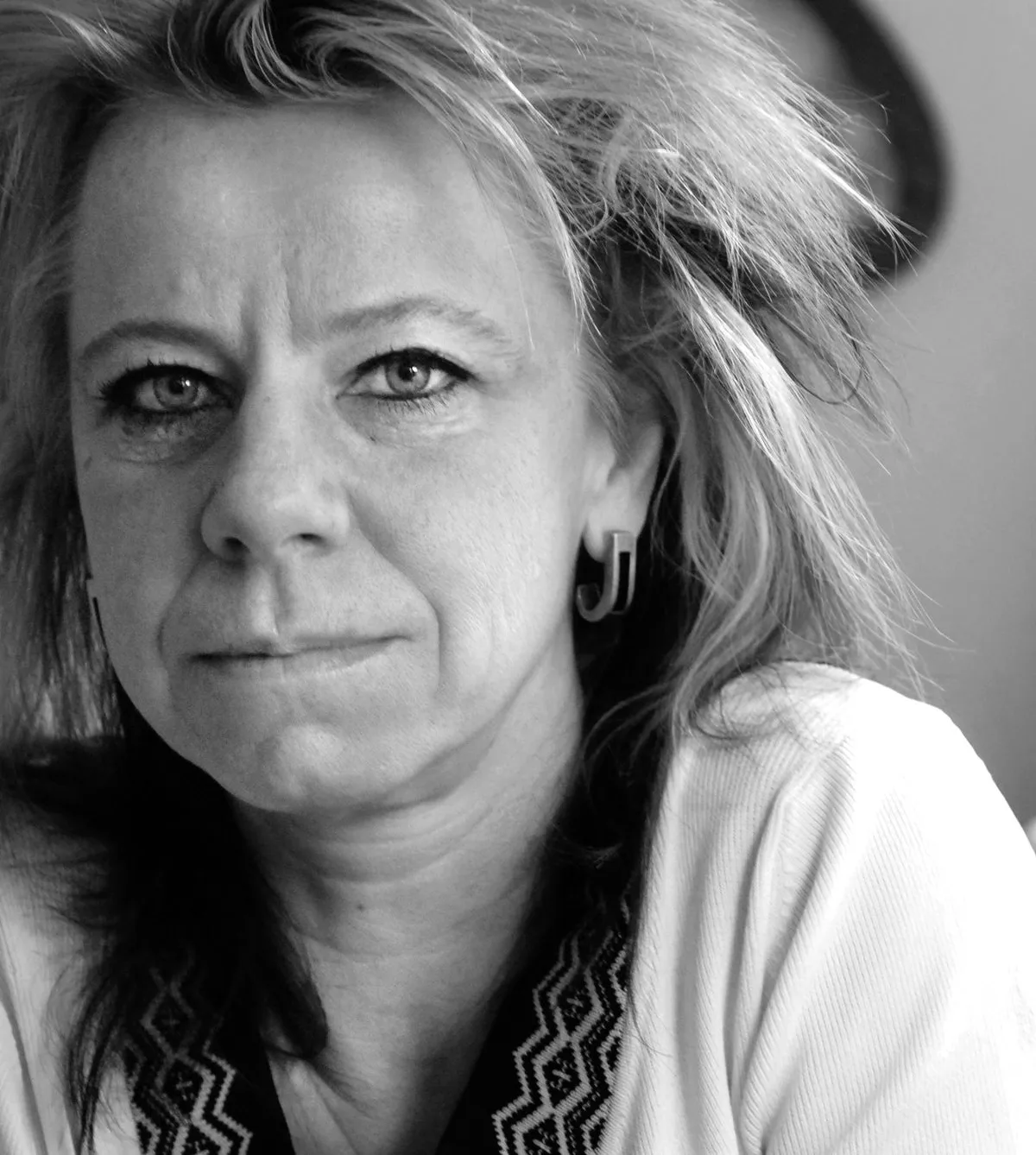
Anja Gatu of the Swedish Writers’ Association believes that even entertainment literature should be translated by humans.
“Why do people think that romance and crime fiction are not worthy of human translators? There is a kind of democratic reader problem there,” she says, emphasizing that the development will affect all literature in the long run.
“Very few translators go straight to translating Nobel laureates. The jobs that are now disappearing to AI are usually entry-level jobs that they also need.”
Adam Dahlin, head of publishing at Norstedts, and Lisa Jonasdotter Nilsson, chief operating officer at Forum, say their publishing houses use AI translators “occasionally”.
Norstedts, like Gyldendahl Astra, has used the translation agency Nuanxed, whose AI translations are then reviewed by the agency’s editors. In all cases, the works are “entertainment literature” translated from English into Swedish.
“When it comes to more advanced literature, it should be translated by a human, quite simply,” says Adam Dahlin.
Fast pace
Forum has used AI to translate certain “public favourites” in longer formats, such as the Norwegian Elisabeth Hammer series “Frostros”, which is published only digitally and at a fast pace.
“The advantage is that it’s faster, but we always compensate with more editorial work,” says Lisa Jonasdotter Nilsson, who emphasizes that the copyright belongs to the author, who must always give their approval before an AI translation is made.
Anja Gatu describes the work of the editors who will polish the AI translations as thankless.
“One can only hope that publishers don’t see only short-term financial gains, which at the moment aren’t even particularly large because the quality is so poor that a lot of human intervention is needed afterwards.”






What do you think?