In November, the union stated that Fyrberg would leave his position on June 30 of this year. On its website, the union announced that Fyrberg is leaving and will be replaced by Maria Guggenberger.
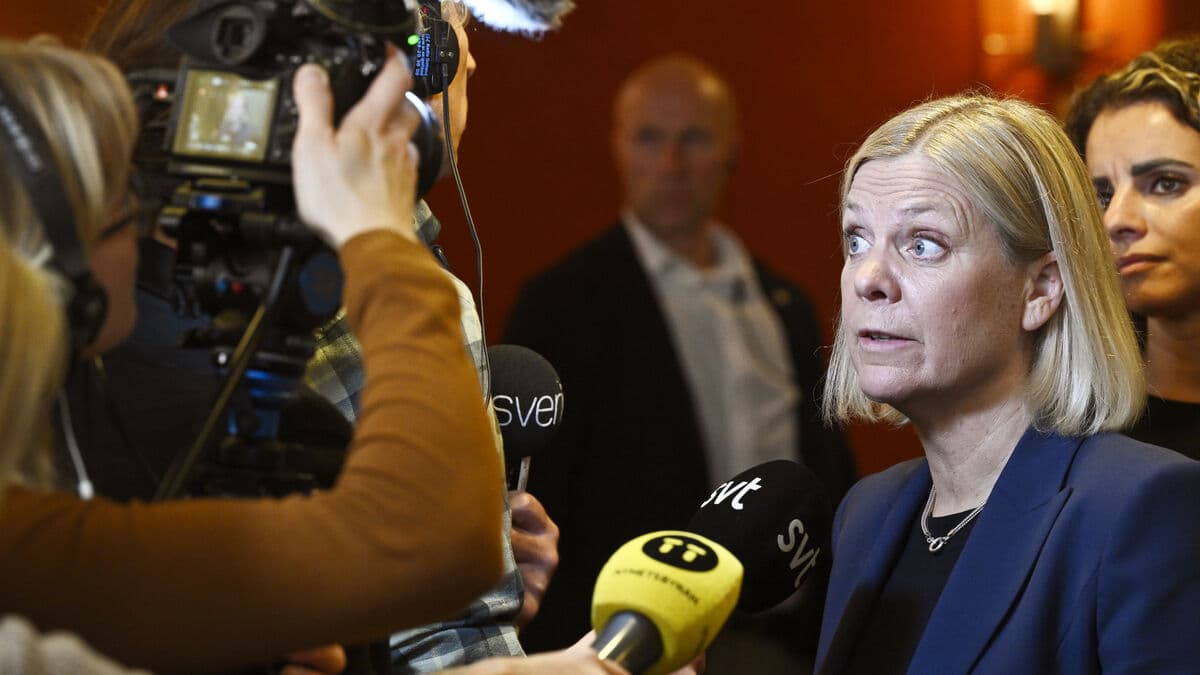
"We have chosen to appoint an acting general secretary to bring new energy and lead the work until a permanent solution is in place. We are facing an intense year where we need to step up the work and therefore, after a mutual dialogue, we have agreed that the best solution for both parties is for Johan to leave now," says the union's chairwoman Sandra Ruuda in a statement.
Massive criticism
Ruuda and the federation leadership have recently come under criticism for introducing a 13-year age limit for elite competition. The decision affects international starts, national championships and nationwide series.
The decision has divided the sport.
The federation management claims that it is in the best interests of the children and leans towards the guidelines of the Swedish Sports Federation.
The fact that Fyrberg is leaving early has nothing to do with that decision, he told Tidningen Ridsport.
The reason I am quitting is the same as before: the board and I have different views on how the strategic work should be taken forward.
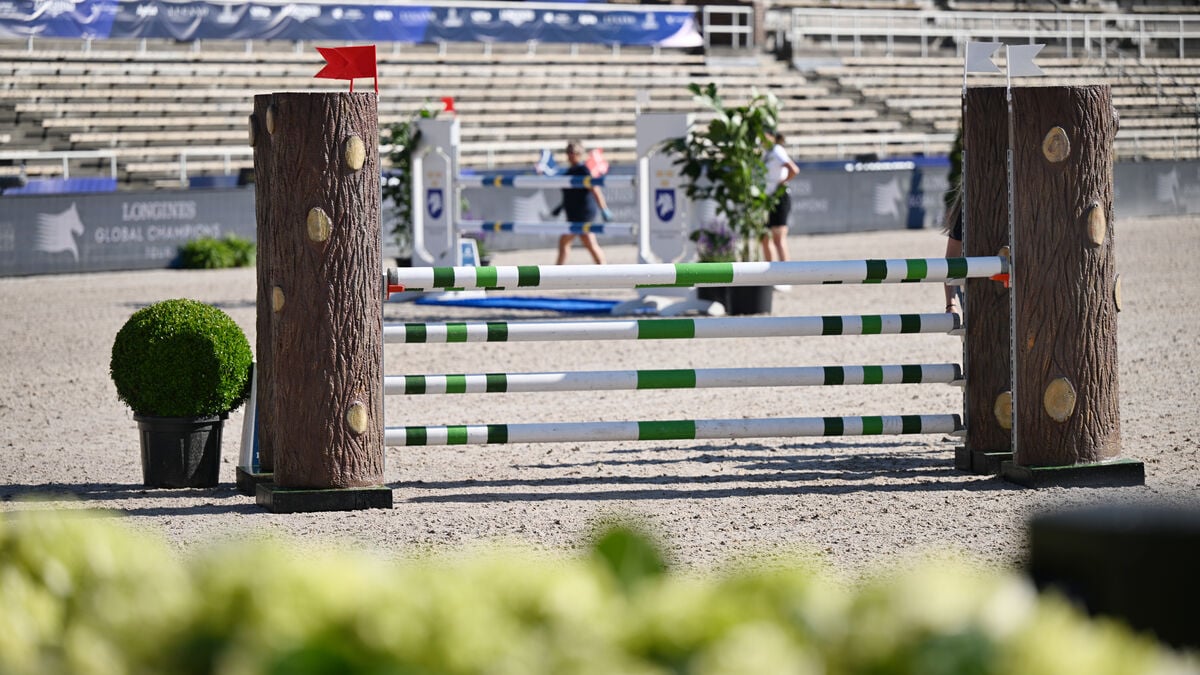
Earlier this week, the entire show jumping committee was fired. It included nationally qualified riders such as Helena Persson and Fredrik Spetz, as well as well-known coaches, judges and course builders in the sport.
"Despite several attempts at dialogue and mediation, the current Jump Committee has not wanted to cooperate, which means that we are simply not making progress in our work," Ruuda said in a press release at the time.
Criticised by world stars
The 13-year age limit is to be implemented by 2029 at the latest. The decision has been criticized by world stars Peder Fredricson, Henrik von Eckermann and Rolf-Göran Bengtsson. They were among three riders who expressed their dissatisfaction in an open letter to the association. Among other things, they said that the so-called B-pony years "constitute an important and natural part of children's development in equestrian sports."
The members of the Jump Committee said the decision did not originate with them.
The Equestrian Federation says it has taken note of the criticism and admits that it could have handled both internal support and communication better.