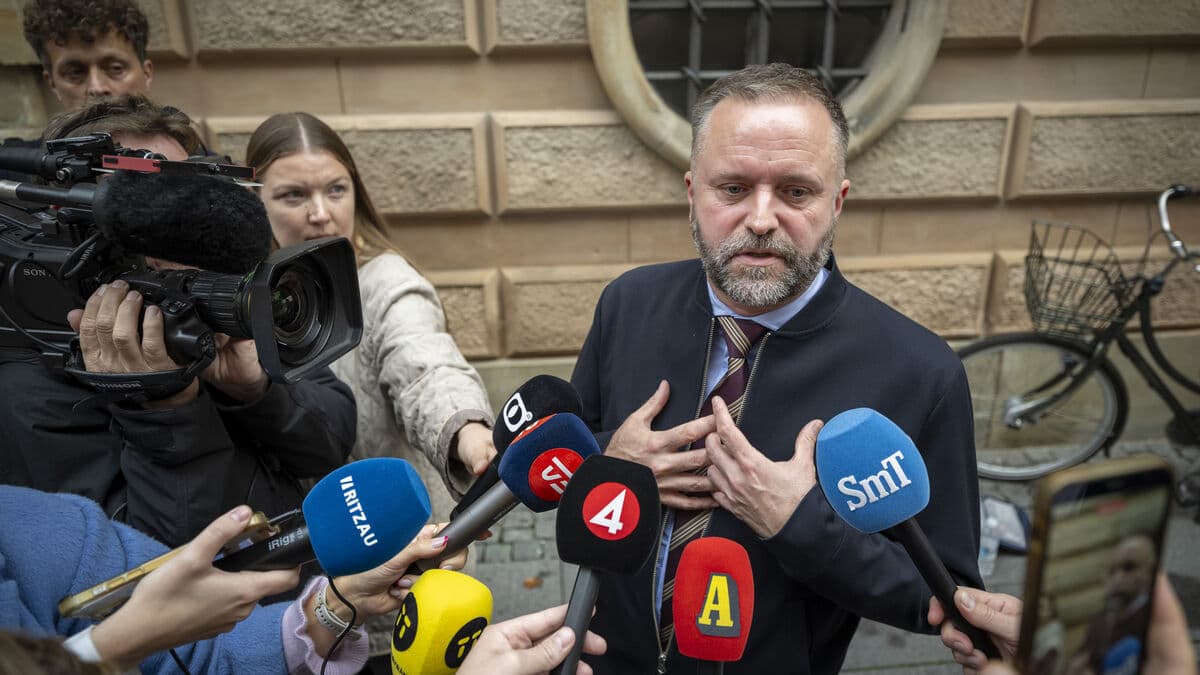
The tax reduction is not sufficiently well-targeted, says Auditor General Christina Gellerbrant Hagberg.
"The government needs to review the design so that it better achieves its goals," she says in a press release.
Billions in incorrectly targeted aid
The aim of the support - which has been in place since the 1990s - is to help electricity-intensive companies that compete internationally. But of the approximately SEK 14 billion (about $1.3 billion) in annual tax rebates provided by the system, around SEK 1.5 billion (about $140 million) goes to companies that are not electricity-intensive or do not operate in international markets, according to a review lasting more than a year by the Swedish National Audit Office (the national government audit body).
Many companies that are less electricity-intensive than the business-sector average receive the support. At the same time, other companies that should have received support under its original purpose have been left without it simply because they operate in the wrong industry, says the review’s project manager, Katarina Magnusson.
Businesses that are similar to each other can be treated differently depending on which industry they belong to or what their production volumes look like, she tells TT.
The same problem arises when assessing how exposed to international competition the companies receiving support actually are. The Swedish National Audit Office compared how trade-intensive the supported companies are with various business-sector averages.
Too little oversight
The system’s oversight is also inadequate, according to the review. Too few in-depth audits are carried out among the hundreds of companies that claim deductions in their tax returns to receive the support.
The Swedish Tax Agency (the national tax authority) carries out very little oversight, says Magnusson.
Companies can also apply for the support afterwards in the form of a refund. This often involves smaller amounts. However, the number of companies using this option is significantly higher, at around 6,700.
The Swedish Tax Agency has focused a lot on checking them, says Magnusson.
One problem with the oversight is that companies applying for the discount cannot be required to provide sufficiently detailed measurements of electricity consumption in different manufacturing processes.
The National Audit Office also notes that the potential to use the rebate to promote climate adaptation and energy efficiency has not been sufficiently investigated, despite its considerable potential. Other countries apply this kind of condition to similar support.
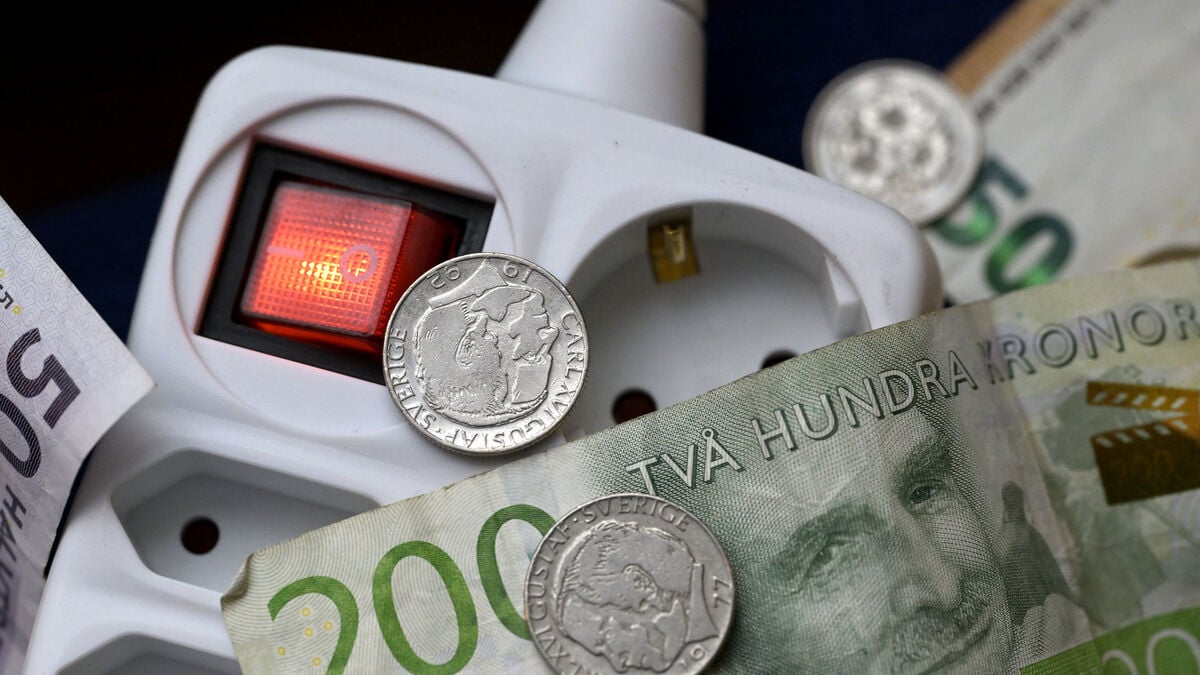
The state collects approximately SEK 30 billion (about $2.9 billion) a year in electricity taxes. The tax is normally 0.36 öre per kilowatt-hour and is paid by both households and companies.
However, special tax rules mean that companies using electricity in industrial manufacturing processes can, under certain conditions, receive a discount that reduces the tax rate to 0.6 öre per kilowatt-hour. The support system covers roughly a third of all electricity consumption in Sweden.
For 2026, the tax rebate for electricity-intensive industries that compete internationally is estimated to total SEK 13–14 billion (about $1.2–1.3 billion).
According to a review by the Swedish National Audit Office, just over 10 percent of the discount, or around SEK 1.5 billion (about $140 million) a year, goes to companies that do not meet the purpose of the support.
Source: National Audit Office