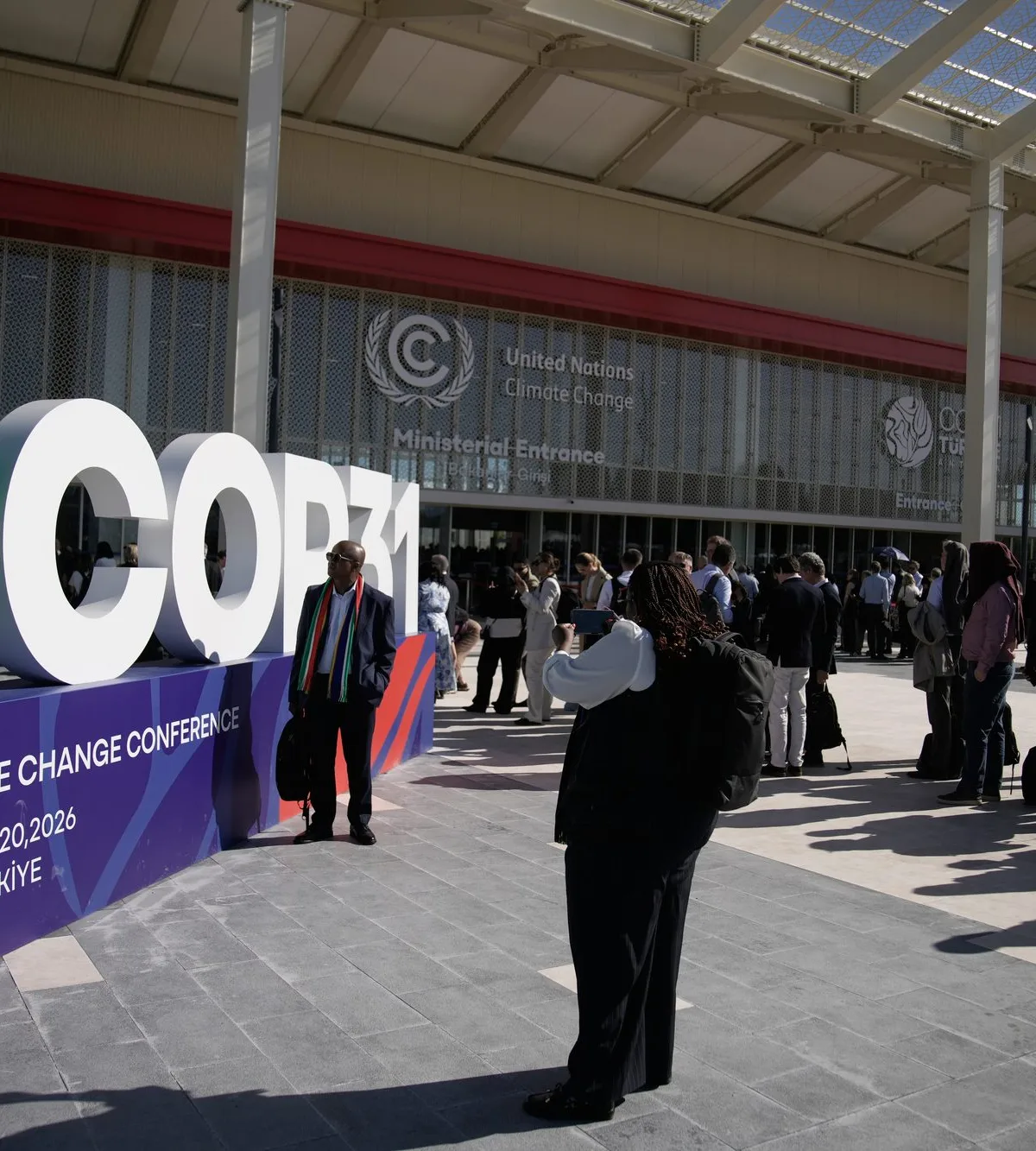
The government negotiations are deadlocked, but the Red-Greens can still take advantage of their 176 seats in the Riksdag, compared with the Tidö parties’ 173. This can happen, for example, when government ministers are given mandates for the positions they want to pursue in EU negotiations. This is most clearly seen in climate policy, where negotiations on new emissions trading rules are in full swing in Brussels.
Recently, Climate and Environment Minister Romina Pourmokhtari (L) took a tougher line.
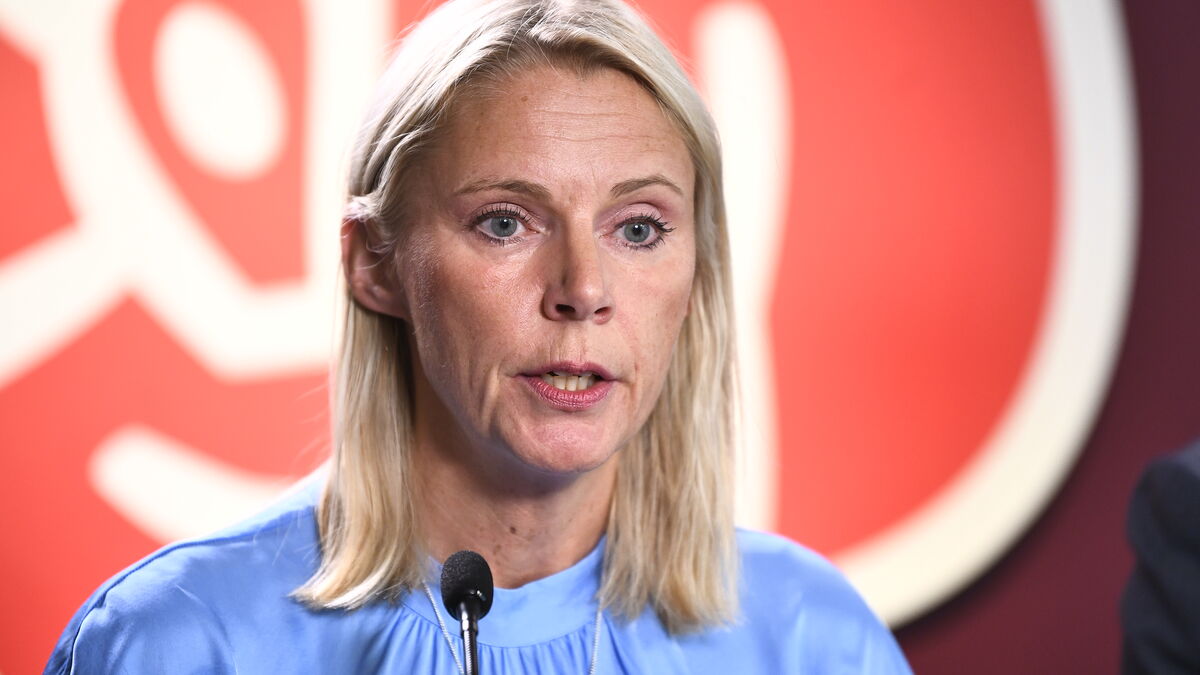
Then she has to relate to the position we have adopted now, which is much more ambitious than the previous government’s original position was, says Åsa Westlund.
Stricter measures
The government is also critical of several parts of the proposal presented by the European Commission, which could allow industry to emit more for a longer period. But the Red-Greens have pushed through stricter measures to include more international aviation in emissions trading, cancel unused emissions allowances and prohibit the use of so-called international credits to reduce emissions.
The government negotiations are marked by red lines between the Red-Greens and the Tidö parties on conflicting policy positions, but the divisions are smaller on climate issues.
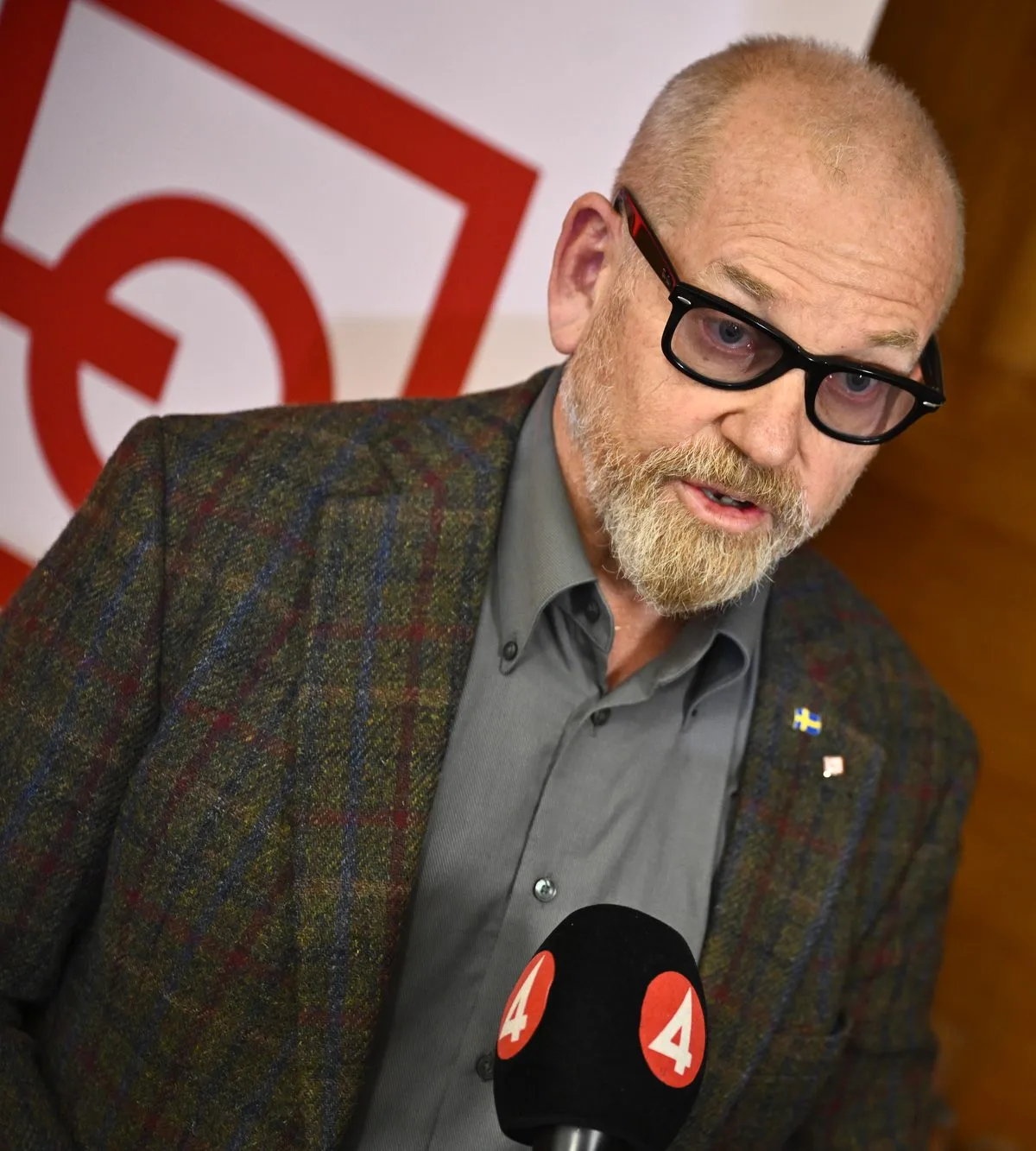
“What unites our four parties very clearly is that we take a more ambitious line on everything from a good bioeconomy strategy to climate policy,” says Westlund.
She believes this will become apparent on more issues in the future.
“We have this with emissions requirements for cars, for example, where we all take a tougher line than this government has. And we have the fisheries issues, where we also take a tougher line,” says Westlund.
It is super important that Sweden is an active country in the EU during this period as well.
One hundred percent?
Although Swedish ministers must argue for Red-Green positions at EU meetings, EU work is also about building alliances and persuading other countries to support one’s cause.
“We are a little worried about whether the government is really working 100 percent on this, since they don’t really agree and also have major differences of opinion within Tidö. But I assume that they are still doing their best,” says Westlund.


What do you think?