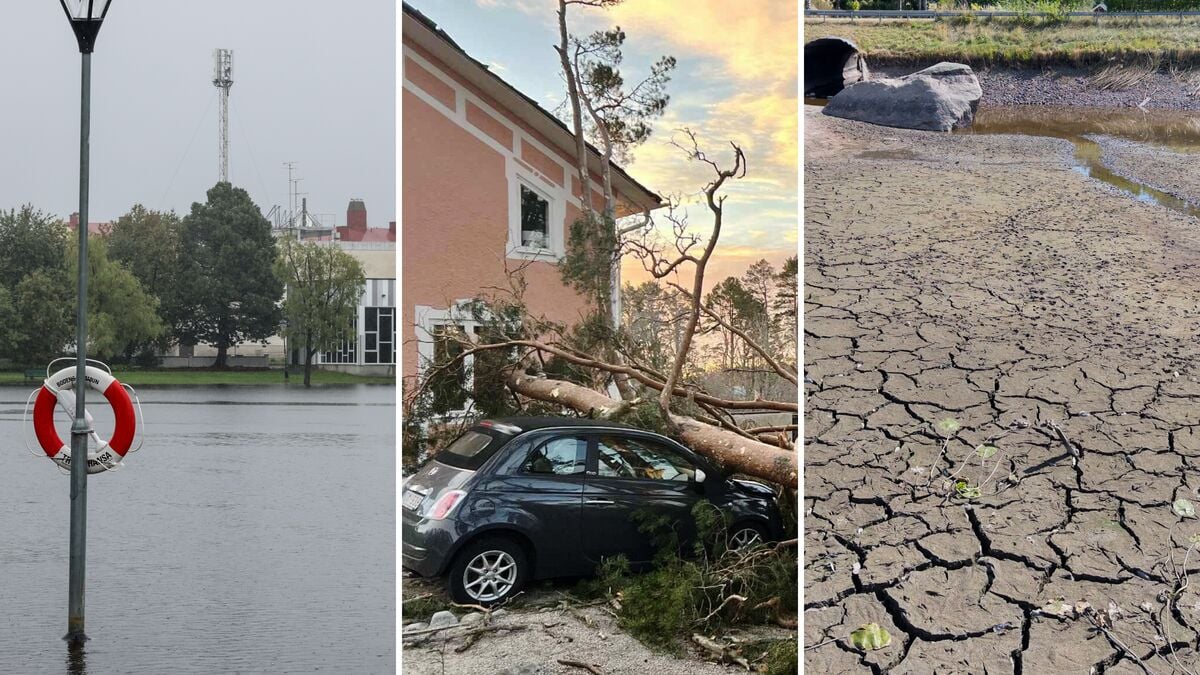
Torrential rain, heat waves and landslides pose serious risks, but slower changes, such as a longer growing season or reduced snow cover, also have consequences for society.
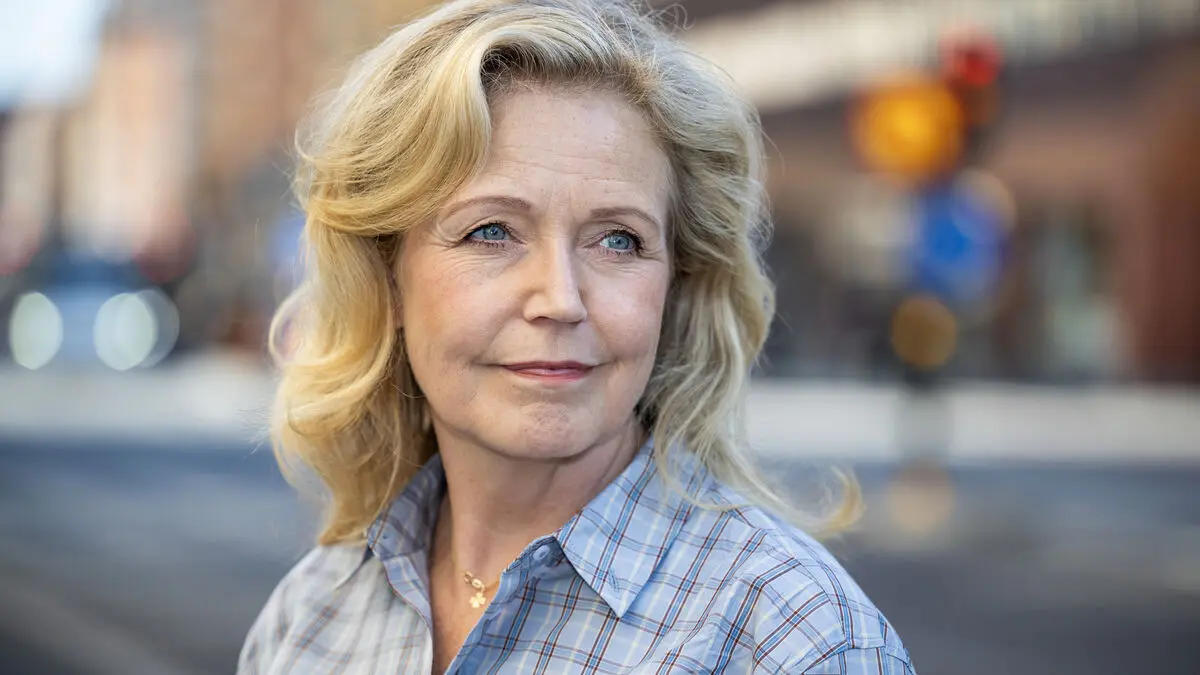
This is a very broad risk picture. Swedish society is largely built for a climate that we no longer have, says Karin Lundgren Kownacki, lead author of the report Monitoring and Evaluation of National Climate Adaptation Work.
Integrate more
In recent years, large sums have been invested in defence and preparedness. The Council would like to see climate adaptation more closely linked to preparedness.
Historically, climate adaptation has been seen as an environmental issue. But it is really a question of everyone's safety.
The message is that climate adaptation could be strengthened if it were more integrated into all areas of society. From a crisis preparedness perspective, you have to look at all types of crises, including those caused by climate change.
The Climate Adaptation Council is tasked with following up and evaluating climate adaptation work in Sweden. In its first report in 2022, the Council emphasised that Sweden needs to move from planning to implementation.
The follow-up to that report notes that work on climate adaptation has progressed, but too slowly and very unevenly across, for example, municipalities, creating risks.
The picture is that some have come a long way and are working both proactively and reactively. Then there are those who still haven't started at all, and that's not good because these events don't follow geographical boundaries. The work becomes ineffective when it's so uneven.
More government control
As in the previous report, the Council notes that both funding and a clear division of responsibilities are lacking, and calls for the state to take a stronger steering role.
Resources and clearer governance from the state are needed to implement measures so that it is not just those actors with resources who take action. If we want to implement more proactive measures that change the fundamental conditions, the state needs to step in, says Karin Lundgren Kownacki.
The National Expert Council for Climate Adaptation, also known as the Climate Adaptation Council, was established by the government in 2018 and is tasked with following up and evaluating climate adaptation work in Sweden.
Every five years, the Council will produce a report that will form the basis for the government's national strategy and action plan for climate adaptation.
The report follows up on the climate adaptation work of various actors in society, such as authorities, municipalities and regions.