The reason is increased costs for the terrestrial network after TV4 withdrew and an expanded mission to manage preparedness for crises and wars.
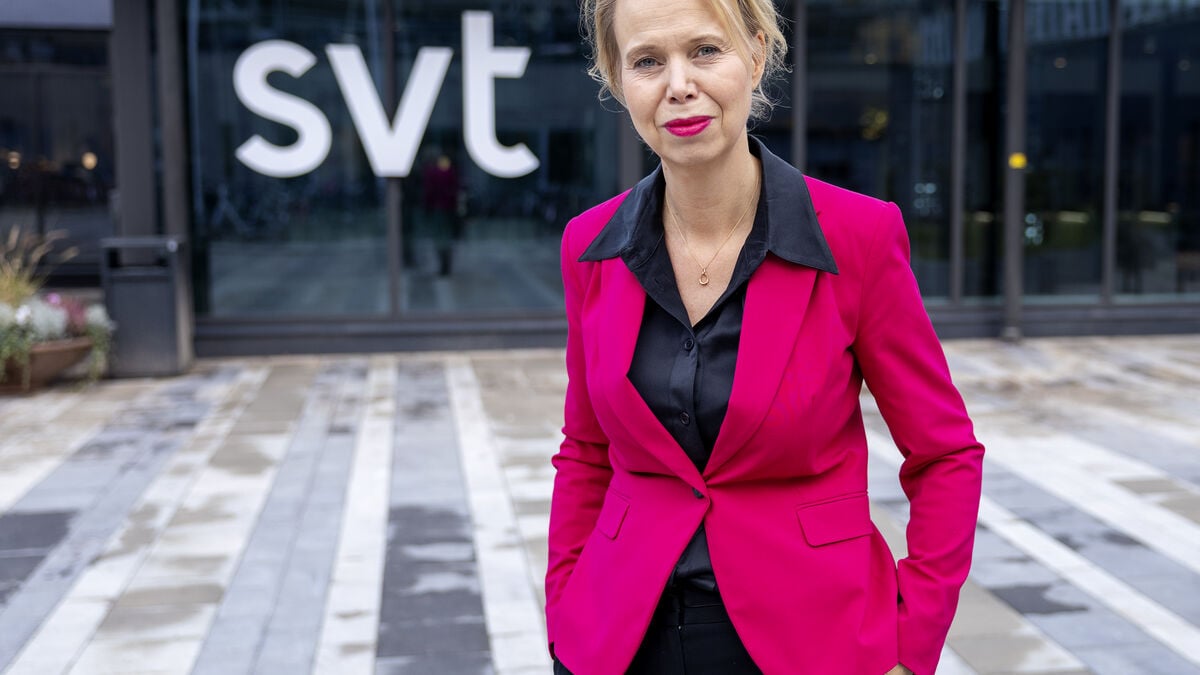
Anne Lagercrantz is critical that the new costs, which are not linked to programme operations, are burdening the public service company.
"A very big reason for the savings package is that we don't know if we will receive compensation for the additional costs in the terrestrial network. We don't even get notified when a decision will come," she says.
The savings risk hitting all parts of the company, but the news operations will face a lower savings rate. The programme operations will save 220 million, SVT News and Sport 80 million, while administration, technology and management will save 55 million.
On Tuesday it became clear that SVT's talk show "Carina Bergfeldt" would be cancelled. Bergfeldt wrote on Instagram that "2026 is a savings year at SVT, and even popular programs will be affected."
An example of "tough prioritization," according to Lagercrantz:
"Carina really makes a beloved program. At the same time, we will need to make fewer programs; we need to make cheaper programs."
Leave the terrestrial network
TV4 decided to leave the terrestrial network at the turn of the year, which means that SVT's share of that cost will increase by SEK 192 million for 2026, according to the company's own calculations.
SVT has asked in vain for extra funding for it from the government, according to Lagercrantz.
"I am extremely disappointed that the politicians have not presented a solution. This affects SVT negatively, it affects the audience negatively," she says.
Monitoring the issue
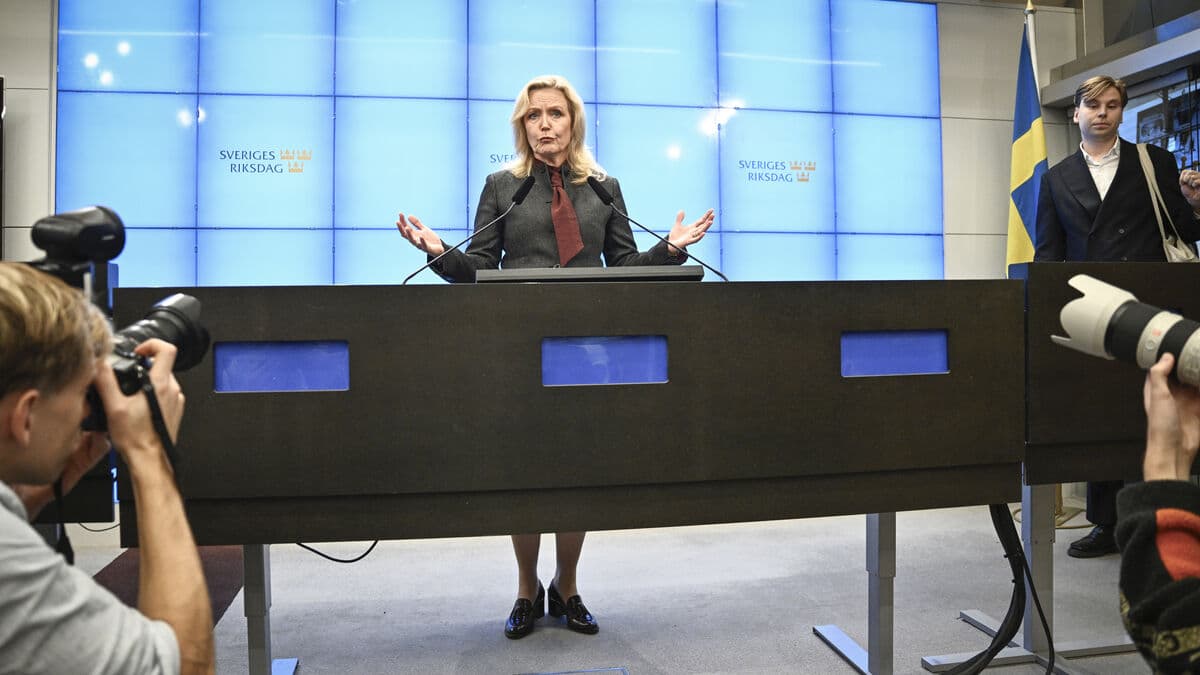
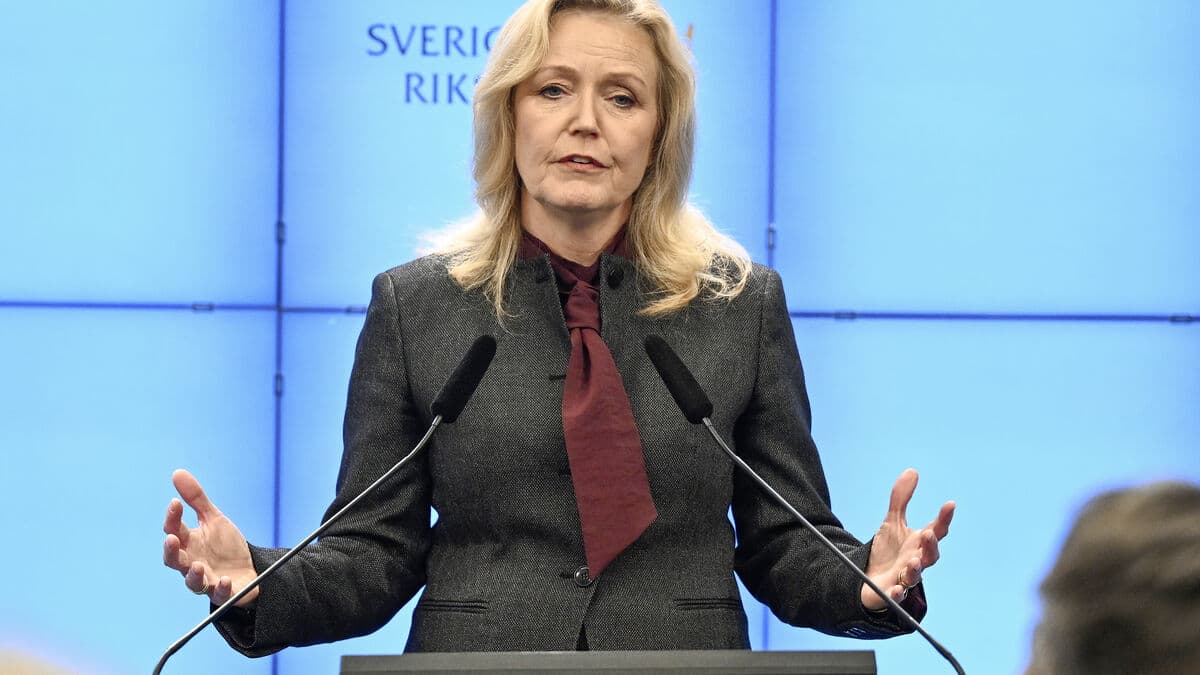
Minister of Culture Parisa Liljestrand (M) writes in an initial comment to TT that the government is "monitoring this issue closely". She also emphasizes that an investigation has been appointed to review how the terrestrial network should be organized and financed.
"I cannot provide any information about the continued process today," writes Liljestrand, who receives harsh criticism from Björn Wiechel, cultural policy spokesperson for S.
"You can really hear the champagne corks hitting the ceiling of the SD's office - this is no fluke, they know exactly what they are doing; now the government is delivering," he says.
Wiechel thinks the government has had the chance "to fix the terrestrial network earlier."
"But that hasn't been done; now we see the consequences of a double whammy - both the dismantling and the ground transmissions."
In 2025, SVT received a total of SEK 5,566 million in funding from the state.
Terrestrial broadcasting is the traditional way of receiving television broadcasts, where the signal is sent out via masts on the ground and picked up by an antenna on the roof. Space is limited and anyone who wants to broadcast on the terrestrial network must therefore apply for a permit.
As of January 2 last year, pay-TV channels are no longer distributed on the terrestrial network. And for a few weeks now, neither has TV4. Nowadays, only SVT1, SVT2, Kunskapskanalen, SVT24 and SVT Barn are broadcast on the terrestrial network.
Although it is possible to receive television in several other ways, such as via cable TV or satellite dish, terrestrial television is still an important form of broadcasting that reaches virtually all areas of the country.
Source: Swedish Media Authority