The sports holidays are now beginning in the country and the pressure on the roads is expected to be heavy for the next four weeks.
Malte Burwick, head of the Atentis organization, which works to increase road safety, advises all drivers to allow plenty of time for their journey.
It is important to plan your trip and avoid stress. For example, you should not be pressured by check-in times or similar.
As far as possible, you should also stick to the major roads, says Burwick.
Safety can vary greatly on different roads, but motorways or roads with median barriers often have speed cameras and are best equipped for anti-slip measures.
Distribute the weight
The car should also not be loaded too heavily, and the packing you have should be evenly distributed. If it's slippery, or there is a risk of slipping, weight distribution is especially crucial, according to Burwick.
Another important piece of advice is to make sure you are well-rested when you get behind the wheel.
It's so obvious, but it's still often neglected.
Other things that may seem obvious still bear repeating, Burwick believes, mentioning speed, among other things.
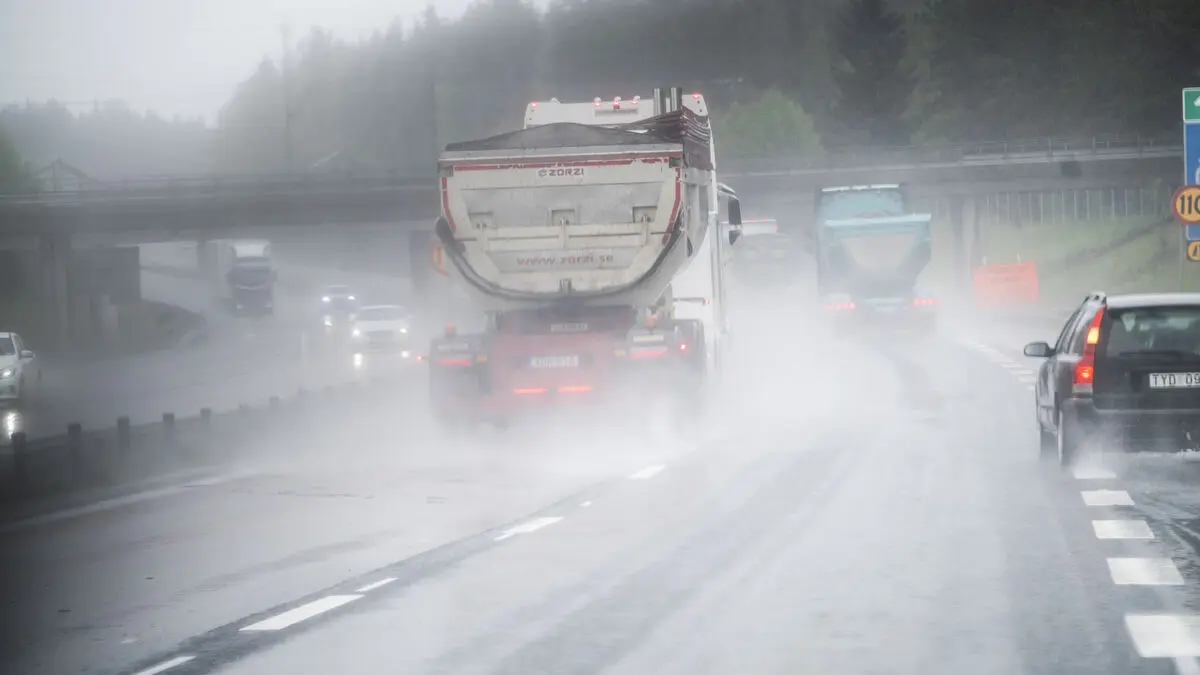
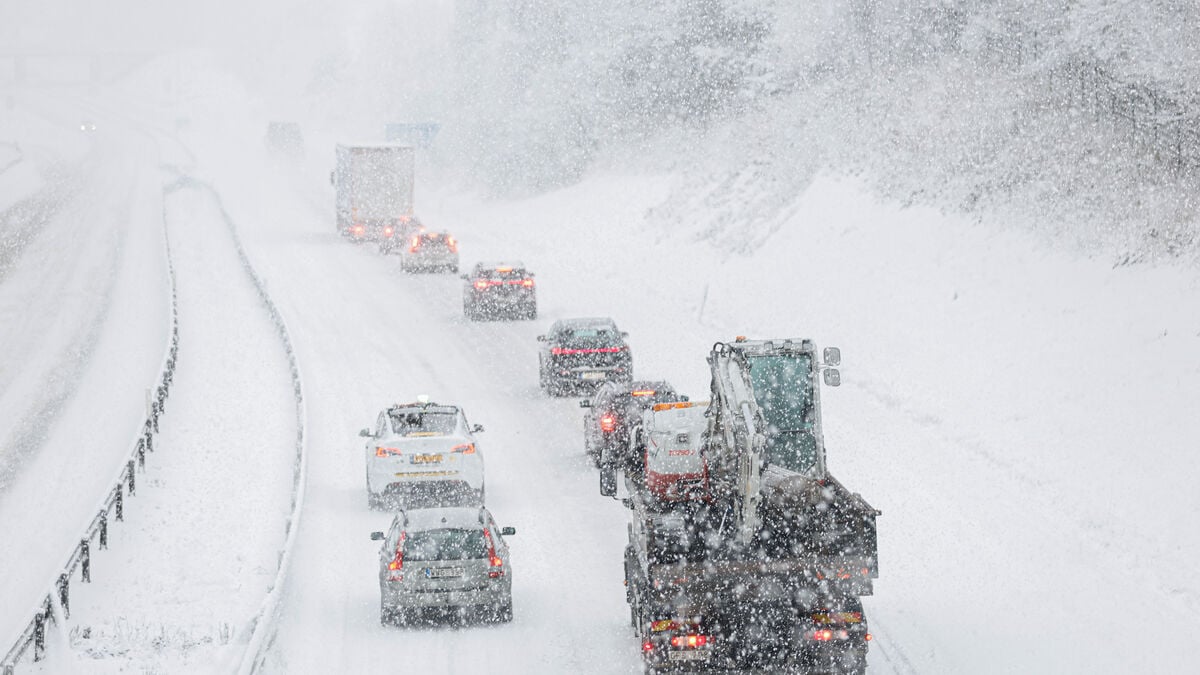
Signs indicate maximum speeds. Many times in winter you have to drive significantly below the speed limit to avoid accidents.
The right equipment
He also emphasizes the importance of keeping a proper distance.
Go overboard with the distance. The unexpected can happen in a split second, and if you're not prepared, it could be over.
Should an accident still occur, you should have certain equipment in the car, such as a warning triangle and first aid kit.
- It can be very dangerous to be forced to stop on the road without signaling properly. It is also a good idea to have reflective vests, a flashlight and blankets.
This year's sports holidays are spread out from week seven to week ten.
Here are ten tips for anyone planning to hit the roads during this period:
1. Be well-rested and plan your trip with stops along the way. Let the sports holiday be part of your vacation and don't stress.
2. Choose the main roads with median barriers first.
3. Monitor the weather. Watch the temperature gauge on your dashboard and be aware of changing temperatures that could lead to icy conditions.
4. Adapt your journey to the conditions and drive with extra margin. Reduce your speed and keep a safe distance from the car in front.
5. Bring food and drinks to replenish your energy. The more tired you are, the greater the risk of making bad decisions.
6. Pack heavy items such as ski boots as centrally and low in the car as possible, for example on the floor of the back seats.
7. The heaviest items should be packed at the bottom and the lightest items at the top, preferably with a net or straps over the packing.
8. Do not pack the roof box too heavily. This raises the car's center of gravity and can cause unpleasant surprises when cornering or when the car makes sudden movements.
9. Keep an extra eye on the side of the road if you are driving at dawn or when it starts to get dark to spot big game.
10. Make sure you are well-rested on the journey home. Think about whether you are really going to ski until you get behind the wheel.
Source: Swedish Transport Administration