As soon as the peace agreement is finalized, “Pakistan will prepare for electronic signing immediately afterwards,” writes Prime Minister Shehbaz Sharif on X. This will be followed by “technical-level talks next week.”
He thus signals that the intended agreement is relatively vague. “We are confident that this historic peace settlement forms a stable foundation for lasting peace,” the post continues.
US President Donald Trump claims that the agreement will be signed on Sunday.
“Immediately after it is signed, the Strait of Hormuz is open to all,” Trump writes on Truth Social.
But Iran has a different opinion, according to Esmail Baghaei, spokesman for the Iranian Foreign Ministry.
"As for the exact timing of the signing, we will have to wait and see - but it will not happen tomorrow," he said, according to Tasnim.
He adds that "the possibility of it happening in the following days cannot be ruled out."
“Never closer than now”
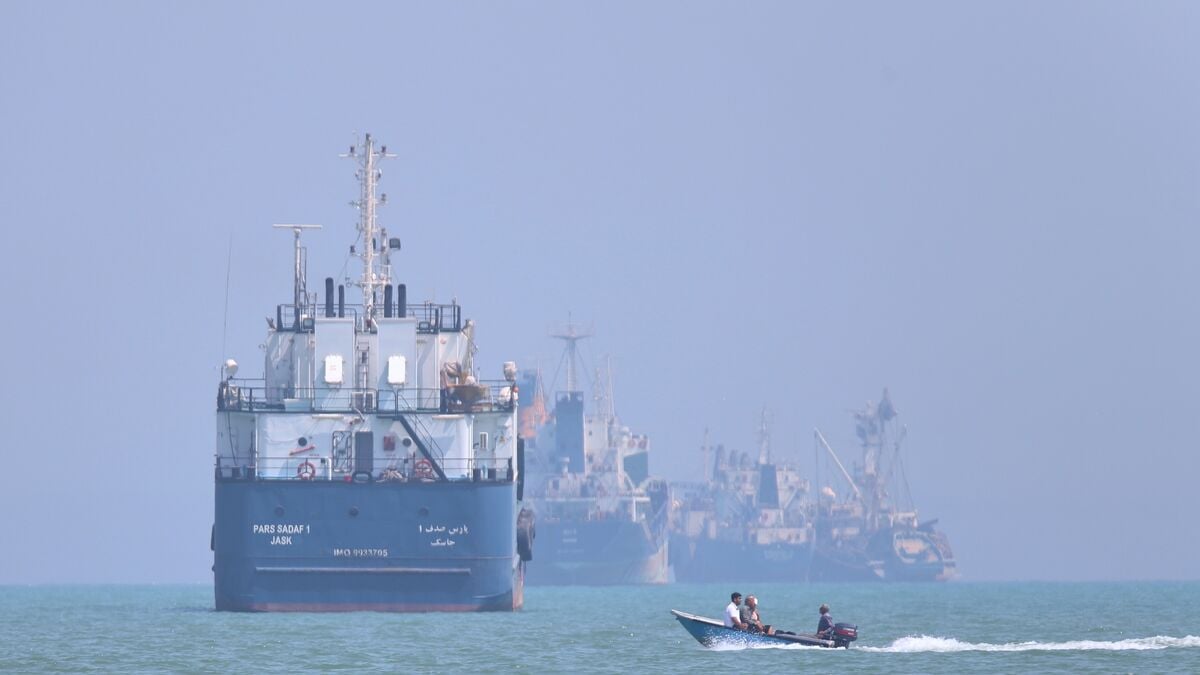
At the same time, new hostilities have flared up in the Strait of Hormuz.
Several Iranian drones that allegedly tried to attack ships have been shot down, according to US military command CENTCOM.
CENTCOM claims that the strait, which is so important for world trade, is now open to traffic - despite Iran maintaining a blockade of the waters since the start of the war.
On Friday, the parties also signaled that an agreement is close. Iranian Foreign Minister Abbas Araghchi stated on state television that nothing has been signed but that an agreement has “never been closer than now.”
US President Donald Trump posted a screenshot of Araghchi's statement on social media and has suggested that a deal could be finalized in the coming days, The New York Times reports. Switzerland has offered to host the signing of the agreement, although Pakistan is now talking about a digital signing instead.
Decommissioned nuclear program?
There are also different reports from the countries about what the agreement would entail. From the Iranian side, it is claimed that the country will be allowed to retain the ability to enrich uranium and maintain control over shipping through the Strait of Hormuz. However, a high-ranking American representative tells the AP that there are documents stating that Tehran's nuclear program will be dismantled and that the Strait of Hormuz will be opened completely.
The Iranian news agency Mehr also states that Iran would get back $24 billion in assets frozen due to the sanctions, something that is rejected by the US.