In the 2022 parliamentary election, the Nyans party, with a focus on minority issues, became the largest party outside parliament with 0.44 percent of the vote. Far from the parliamentary threshold of 4 percent, the party won three seats in two municipalities, Botkyrka and Landskrona.
“Building from the bottom up”
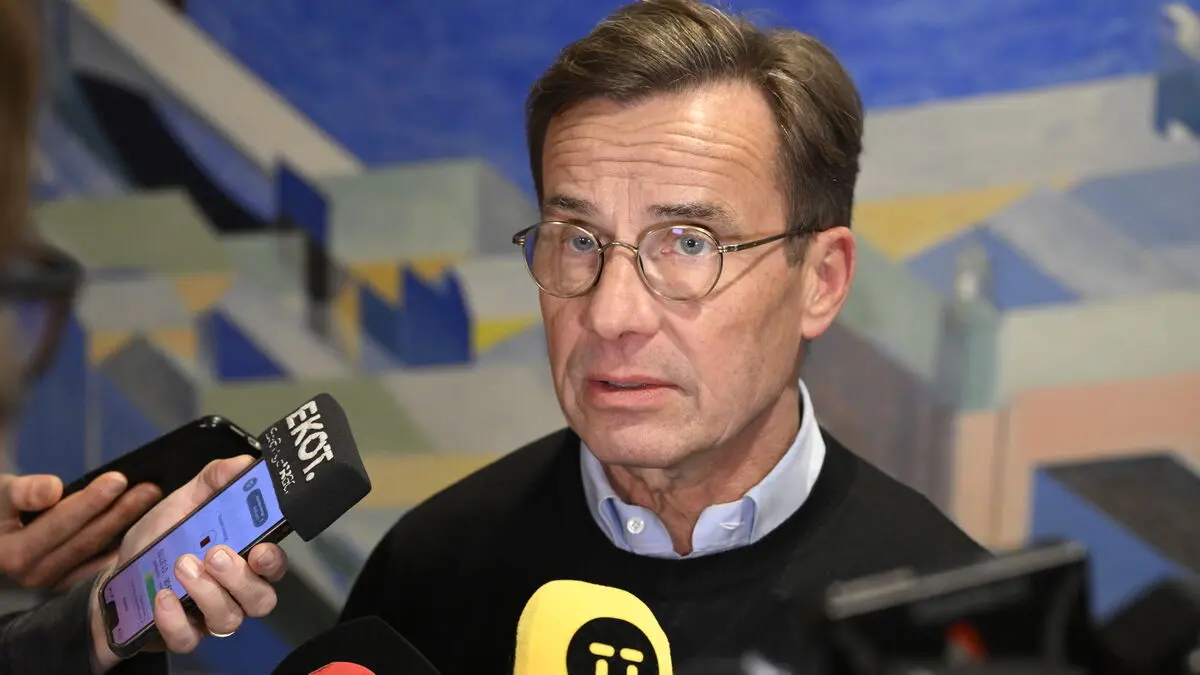
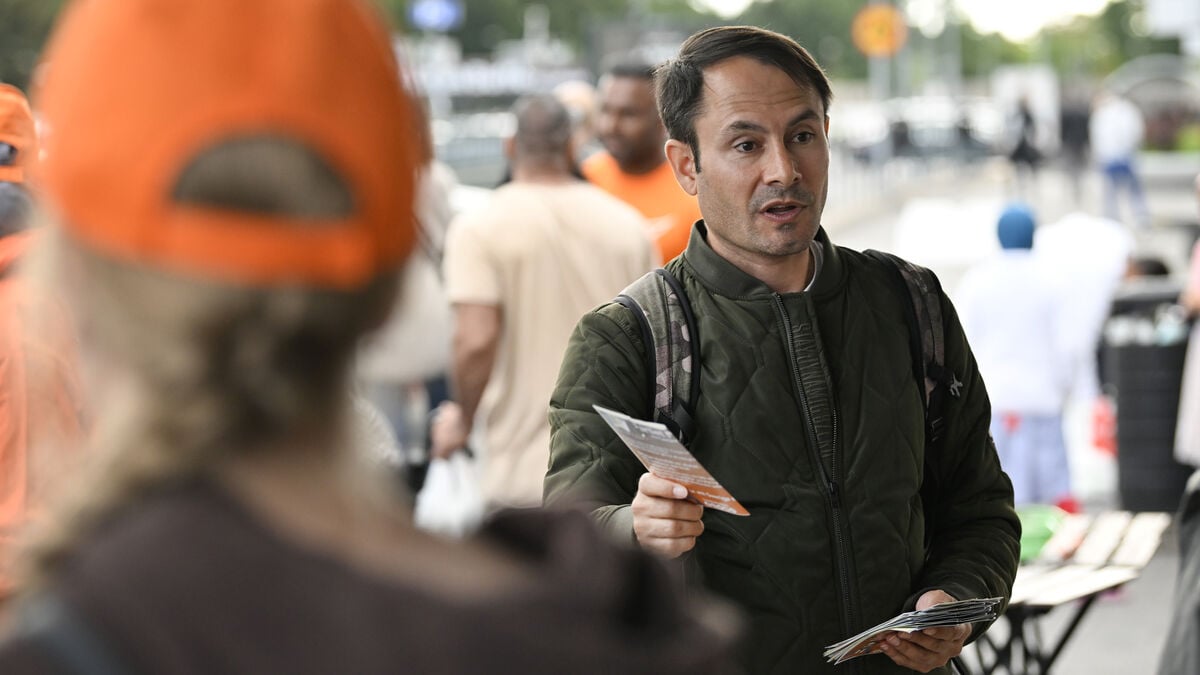
Since then, the party has been hit by defections and internal divisions. Party leader Mikail Yüksel says that the focus in this year's elections will partly be on entering more small municipalities.
This will make more active politicians visible, which will enable us to build the foundation for the next parliamentary election. We are building from the bottom up.
Yüksel says he sees the Sweden Democrats (SD) as a role model in terms of organization when it comes to building the party.
But not politically, he says.
Taking a seat locally first is the strategy that has proven most successful for parties seeking to enter parliament, according to political scientist Sofie Blombäck at Mid Sweden University, who researches new parties.
She mentions that the Sweden Democrats, the Christian Democrats and the Green Party have gone that route.
Most people fail because their energy, power and money run out after too many elections where they have not achieved any success. That is why local representation is important. Then you get some party support and you show what you can do.
Another party that won municipal mandates in 2022 is the Civic Coalition, which is usually described as liberal-conservative. The party only received 0.2 percent in the parliamentary election but won seats in five municipalities. Party leader Daniel Sonesson writes in an email to TT that the goal is now to invest further in the municipalities:
"Today we have 22 mandates and our goal is to at least double the municipal presence."
Another way into parliament is to get at least 12 percent in one of Sweden's 29 constituencies, which no party has managed so far, according to Sofie Blombäck.
Must get attention
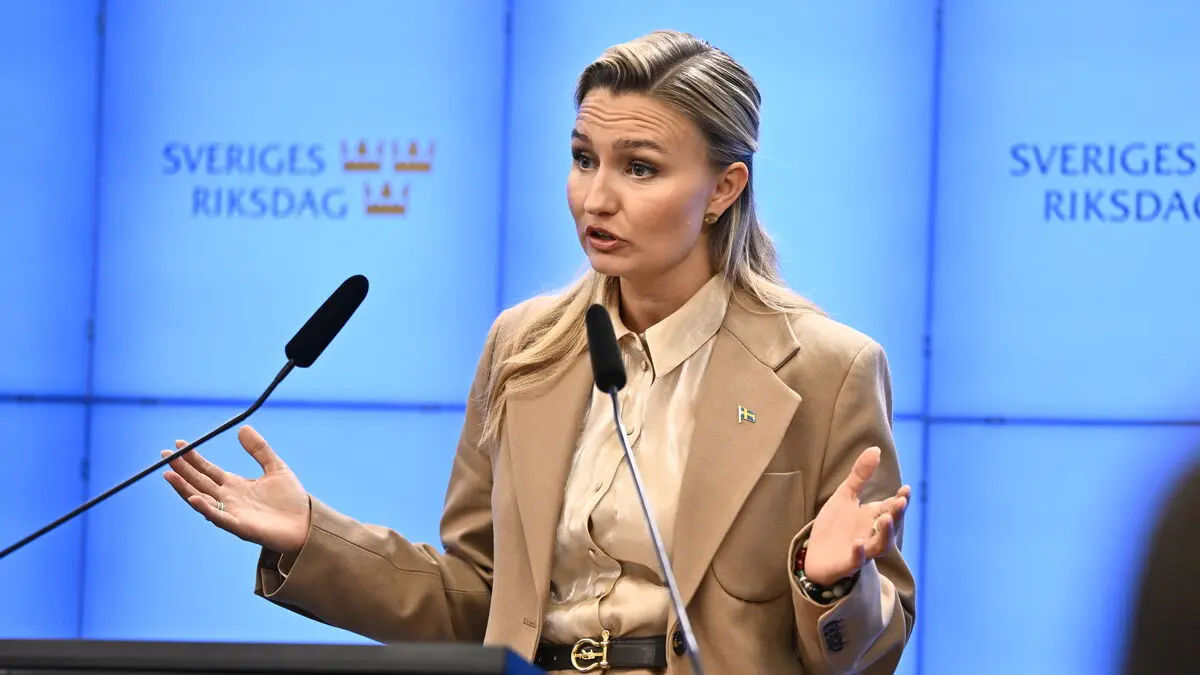
According to her, to succeed as a new party it is first and foremost necessary to get attention. It can help to be a defecting member of parliament, like V MPs Lorena Delgado Varas and Daniel Riazat, who have started the party Framtidens Vänster.
It can also help to do something eye-catching, like Jan Emanuel and Sara Skyttedal when they launched their EU project Folklistan and arrived in a helicopter. Or when Gudrun Schyman, as party leader of Feminist Initiative, burned money in Almedalen.
But attention is not enough, according to Blombäck. You also have to convince voters that your policies are sound and that you can implement them.
Facts: Parties outside the Riksdag
In the 2022 parliamentary election, the category "other registered parties" received 1.55 percent of the votes.
The Nyans party received 0.44 percent, Alternative for Sweden 0.26 percent, Civic Coalition 0.20 percent and the Pirate Party 0.14 percent.
The only party that has managed to enter parliament directly, without first taking a seat in a municipality, is New Democracy, which took a seat in 1991, the same year the party was formed.
Feminist Initiative, led by Gudrun Schyman, received 3.1 percent of the vote in the 2014 parliamentary election.