This is shown in a study of more than 95,000 Swedes who received various diabetes medications from 2009 to 2022 and who also had a diagnosis of anxiety or depression.
However, because this is an observational study, it does not establish causality.
One explanation could be that when patients lose weight and their diabetes is alleviated, they become less anxious and depressed, says Jari Tiihonen, specialist physician and professor at the Department of Clinical Neuroscience at Karolinska Institutet.
Biological explanation
But he emphasizes it is also possible there is a biological explanation: that the drug has a direct effect on the brain.
It may be that it has an effect on inflammation and stress hormones.
The same people were followed during periods when they were taking diabetes medication and periods when they were not. All received so-called GLP-1 drugs, but of four different types.
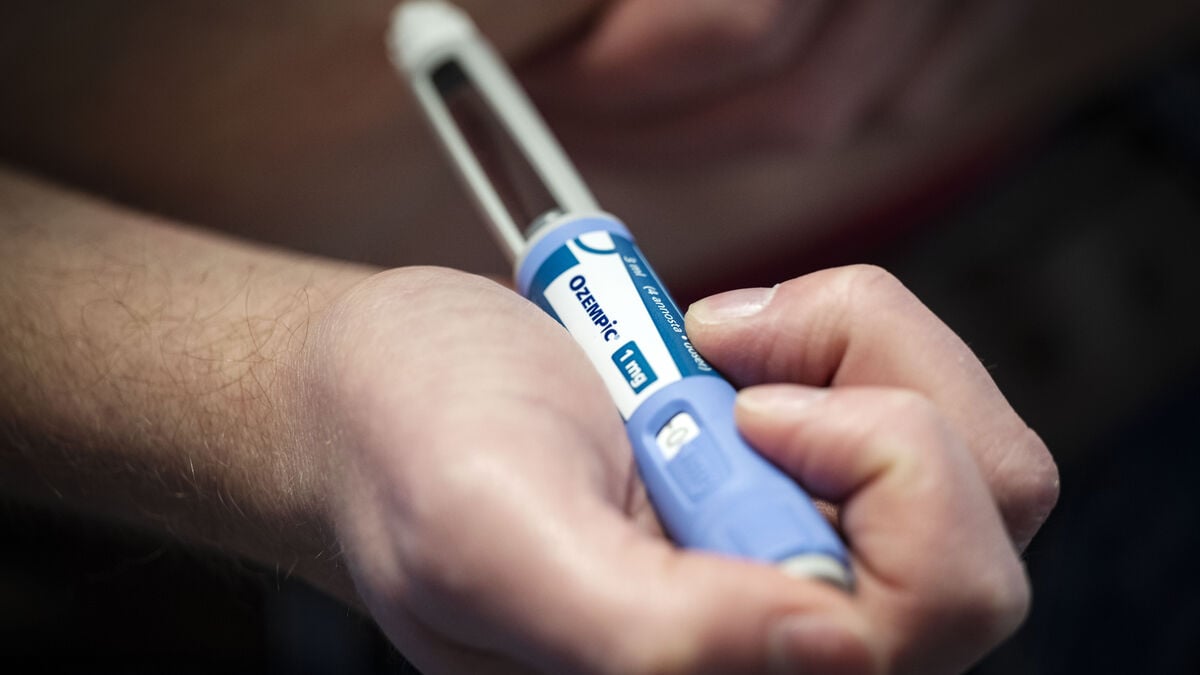
The active ingredient that stood out in the study was semaglutide, which is found in Ozempic. Those who received it had a 42 percent lower risk of sick leave or need for care due to mental illness compared with periods when the same people were not receiving the drug.
A similar, though weaker, effect was seen with liraglutide, but not with exenatide or dulaglutide.
Offers hope
The results offer hope for a new treatment for certain forms of mental illness in people with diabetes and obesity, says Jari Tiihonen.
It may be possible, but randomized controlled trials would be needed to confirm it.
Facts: About the study
The study included more than 95,000 Swedes with a diagnosis of depression or anxiety who were prescribed various diabetes medications from 2009 to 2022.
22,480 of them received GLP-1 drugs, which mimic the gut hormone GLP-1.
Comparisons were made between periods when the same individuals were taking diabetes medication and periods when they were not.
According to the study, GLP-1 drugs had different effects on mental health depending on the active substance.
Semaglutide: 42 percent lower risk of sick leave or need for care due to mental illness.
Liraglutide: 18 percent lower risk.
Exenatide and dulaglutide: No significant reduction in risk.
The study is published in The Lancet Psychiatry.
Source: Karolinska Institutet