New statistics show that 115,000 new jobs were created outside the agricultural sector in the US in April - more than the 65,000 analysts had expected.
Inflation has been above the Fed's two percent target for five years. Soaring fuel costs are now also adding to inflationary pressure.
This makes it difficult for the Fed - which will decide on the key interest rate in June for the first time under Warsh's leadership - to meet Trump's demands for rapid cuts.
The Fed will shift its focus to limiting upward inflation risks now that the labor market appears to be back on track, Lindsay Rosner at Goldman Sachs told CNBC.
Investigation closed
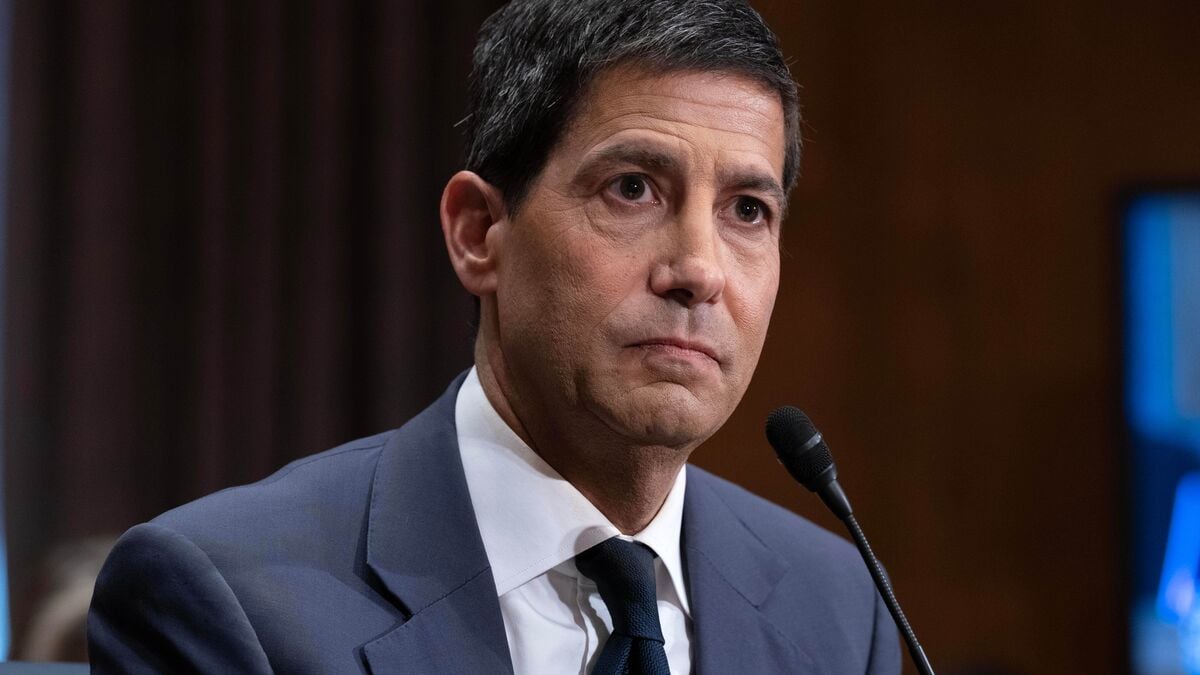
Warsh, nominated by Trump, will take over from Jerome Powell in mid-May with the president's expectation of a less tight monetary policy.
His appointment follows a year in which Trump regularly criticized his predecessor Powell for being slow to lower interest rates.
The Justice Department also opened a criminal investigation into Powell, linked to the costly renovation of the central bank's headquarters. This in turn led to Warsh's appointment being blocked in the Senate Banking Committee, where Republican Thom Tillis initially wanted to see the Powell investigation dropped, which was later dropped.
“I am determined”
The concerns are that Warsh would be more susceptible to Trump's whims than Powell and thus not safeguard the Fed's independence.
In a speech to the Banking Committee in April, Warsh said he did not believe that “the independence of monetary policy is threatened when elected officials express their views on interest rates,” but he also added:
I am determined to ensure that monetary policy remains fully independent.
The market's current expectation is that the Fed will leave the key interest rate unchanged on June 17 with a probability of just over 93 percent, according to the analysis firm CME Fedwatch.