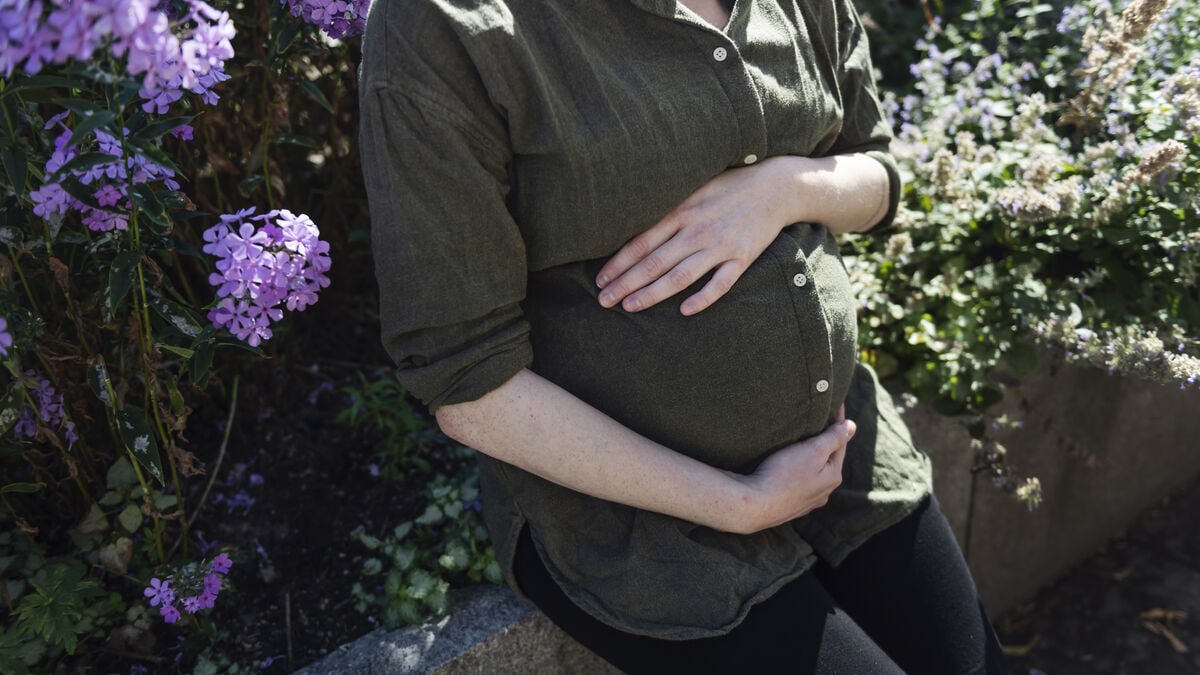
Around five percent of all pregnant women suffer from preeclampsia. This occurs because the placenta does not function properly, and consequences can include high blood pressure. Both the placenta and the fetus receive less oxygen.
Now researchers at Karolinska Institutet have found that even small changes in blood, including blood glucose, blood lipids and markers of inflammation, indicate an increased risk of preeclampsia. These changes are visible even before a woman becomes pregnant.
"This provides new opportunities to identify people who are at higher risk in good time," says Karin Leander, associate professor at Karolinska Institutet and one of the researchers behind the study.
Blood markers examined
In the study, published in the journal JAMA Network Open, the researchers looked at data on blood markers before pregnancy and followed up on those who developed pregnancy-related high blood pressure and preeclampsia.
They saw that even women whose values deviated, but not enough to be treated by the health care system, were at increased risk. The researchers divided the women into four groups. Those with the highest risk according to the blood markers had a 13 percent increased risk of developing preeclampsia. But even those in the quarter with the lowest risk had a 4 percent increased risk.
The markers examined are linked to metabolic diseases, and several are influenced by lifestyle habits such as diet and physical activity.
Linked to lifestyle
Testing for these markers is not done routinely during pregnancy today. Pregnant women who are considered at increased risk because of, for example, obesity, diabetes or other conditions are tested when they are enrolled in maternity care. Karin Leander believes the results point to the importance of providing early lifestyle advice.
"Around 46 percent of all pregnant women are overweight or obese when they register at the maternity clinic, and the average age of first-time mothers is rising. It is important to know this to prevent serious complications in both mother and child," she says.
The study was financed, among other things, with support from the Swedish Heart and Lung Foundation.
Most women who develop preeclampsia are first-time mothers. The condition usually occurs towards the end of pregnancy. It is most often diagnosed at a maternity hospital.
Although it is common to have no symptoms, the following may be the telltale signs of preeclampsia:
Nagging headache.
Visual disturbances with flickering or double vision.
Pain in the upper abdomen, especially on the right under the ribs.
Nausea and vomiting.
Swelling of the face, hands, or feet.
Source: 1177