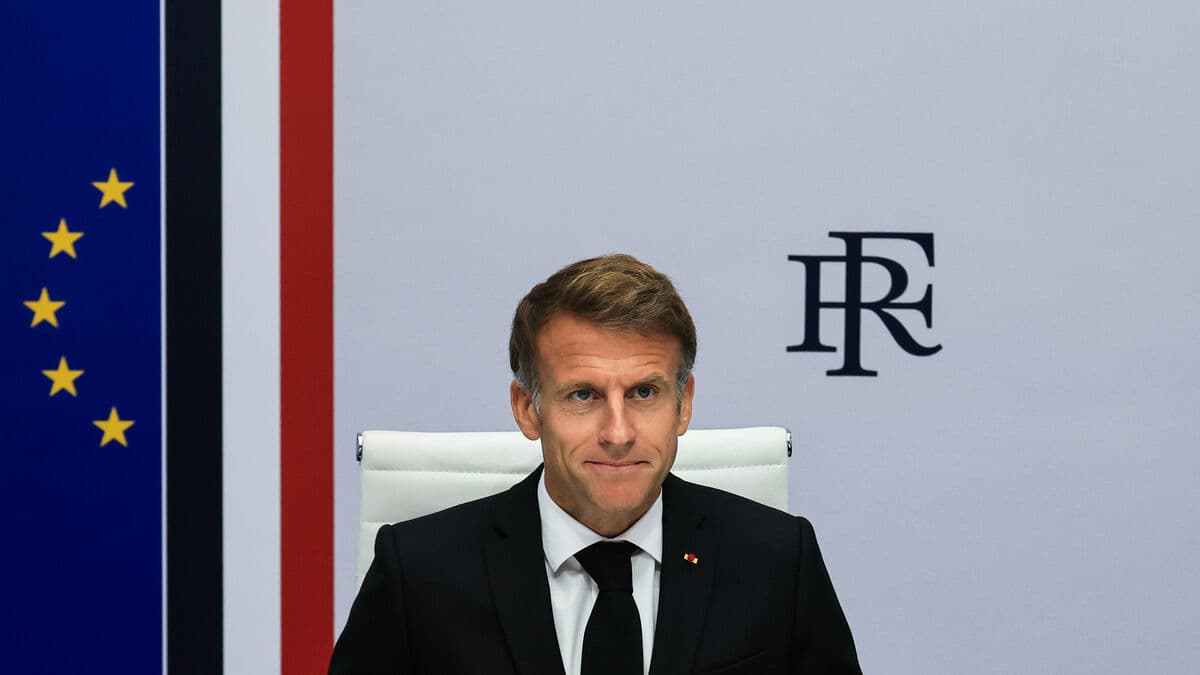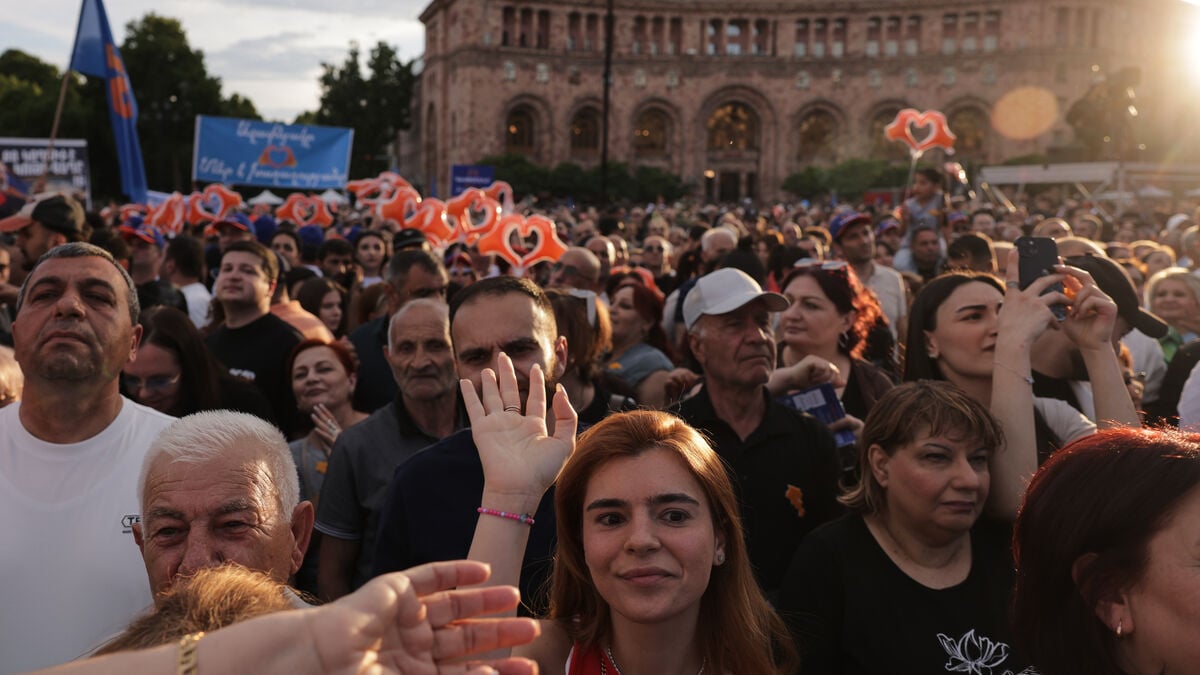
Support for incumbent Prime Minister Nikol Pashinyan has increased in recent months and his ruling party is expected to win today's Armenian parliamentary elections.
Since Pashinyan came to power in 2018 after popular protests, relations with Russia have deteriorated significantly. There are now concerns about extensive Russian influence in the election.
Jakob Hedenskog, an analyst at the Center for East European Studies at the Swedish Institute for International Affairs, believes that Russia does not believe it can influence the outcome of the election itself. However, the large country may try to reduce public trust in the authorities, he says.
I think Russia wants to undermine trust in Pashinyan. Russia wants people not to trust the process itself and to be dissatisfied with how the election was conducted.
Russia has compared Armenia's EU ambitions to the situation that led to the Ukraine war, and recently recalled its ambassador to Armenia in protest at the country's ties with the EU.
Populist politician
Jakob Hedenskog points out that Pashinyan is not without flaws. Among other things, his way of handling the opposition is problematic.
Pashinyan today is a significantly more populist, polarizing political figure than he was when he emerged, says Hedenskog.
The prime minister has fueled a conflict with the Armenian Apostolic Church and accused his main opponent, opposition leader and billionaire Samvel Karapetyan, of crimes. He has also described Sunday's election as a choice between a lasting peace with Azerbaijan and a return to war.
"It's an example of how polarizing his message is. He has said that if he doesn't win the election, there will be war in September - very specifically. It's unnecessary polarization," says Jakob Hedenskog.
Disappointed in Russia
Many Armenians are disappointed with Russia, which did not come to Armenia's aid when neighboring Azerbaijan captured the Nagorno-Karabakh region in a military offensive in 2023.
And Russia is not interested in good neighborly relations with former Soviet republics such as Armenia, Moldova or Ukraine, but wants the countries to be governed by corrupt elites who are close to Russia, says Jakob Hedenskog.
Moscow wants them to be dependent on Russia for energy and security, and to fear that Russia might attack them. It is not Russia's goal for them to develop and become prosperous and stable democracies. That is the EU's goal.