The study shows that certain genes linked to heat stress, aging and metabolism differ in polar bears in southeast Greenland – suggesting that they are adapting to warmer conditions.
The researchers have analyzed blood samples taken from polar bears from northeastern and southeastern Greenland to compare the activity of so-called “jumping genes,” small, mobile parts of the genome that can affect how other genes function, in relation to the temperature in the two regions.
Genetic template
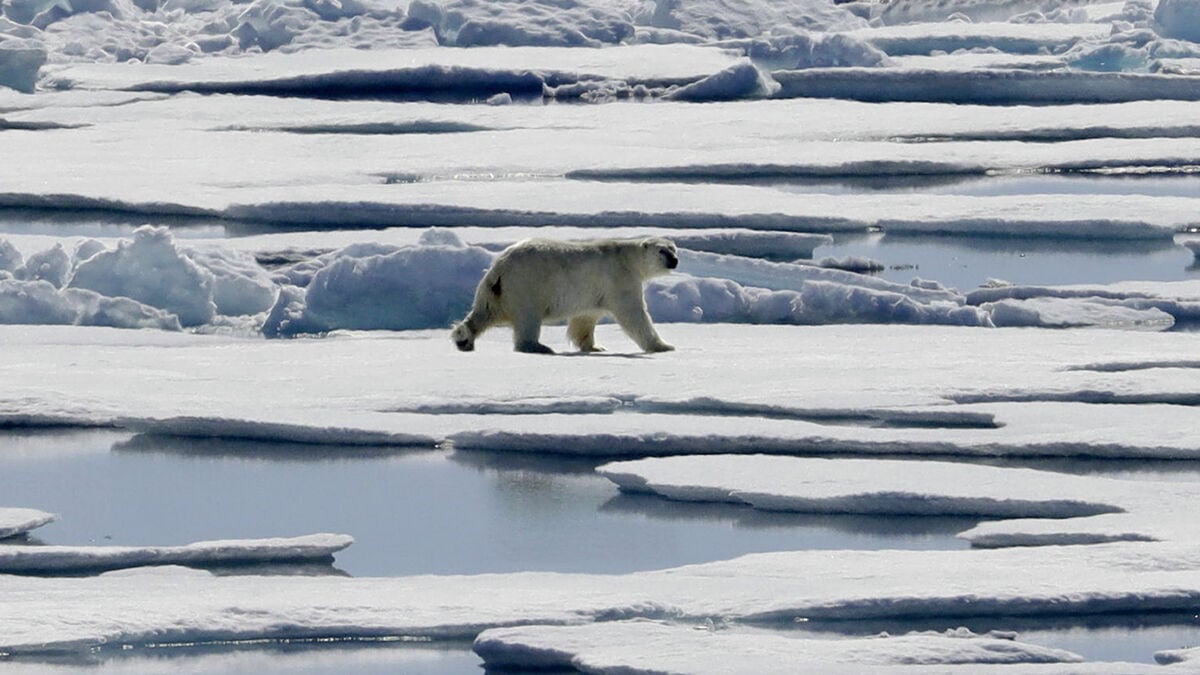
Northeast Greenland was found to be colder and have smaller temperature variations, while the differences in the southeast were greater and the environment milder and less icy – something similar to the future conditions polar bears are expected to face.
"With the rest of the species threatened with extinction, these specific bears provide a genetic template for how polar bears can adapt rapidly to climate change," says Alice Godden, from the Department of Biology at the University of East Anglia who led the study, in a comment.
Not enough
She explains that the polar bears' unique genetic code is important for conservation efforts, but that it is not enough to save the species.
“This certainly gives hope – but it doesn’t mean polar bears are less at risk of extinction. We still need to do everything we can to reduce global carbon emissions and slow down warming.”
The polar bear is red-listed as vulnerable by the International Union for Conservation of Nature (IUCN) and a large part of the world's polar bears are expected to be extinct by 2050. As the Arctic Ocean warms, the sea ice is receding later and later, so that the polar bears do not come out to hunt seals and replenish their fat stores.
The study is published in the journal Mobile DNA.
Polar bears are found in many places in and around the Arctic, including Greenland, northern Canada and Alaska, and northern Russia.
There are between 22,000 and 31,000 wild polar bears.
The species is classified as vulnerable, which means that it is considered to be at high risk of extinction in the wild.
The biggest threat to polar bears was hunting for a long time. But today, when hunting is regulated, it is global warming that threatens their natural environment.
Source: WWF, NE.se