The high silver prices are reflected in the auction values.
But as the price of silver has skyrocketed, the number of collectors who focus on antique silver has decreased. Many long-time industry insiders say these are bargain prices for fine silver items from the 18th and 19th centuries.
The scrap value can in some cases approach, and even exceed, the antique value, says Andreas Siesing, an expert at Auctionet.
No antique value
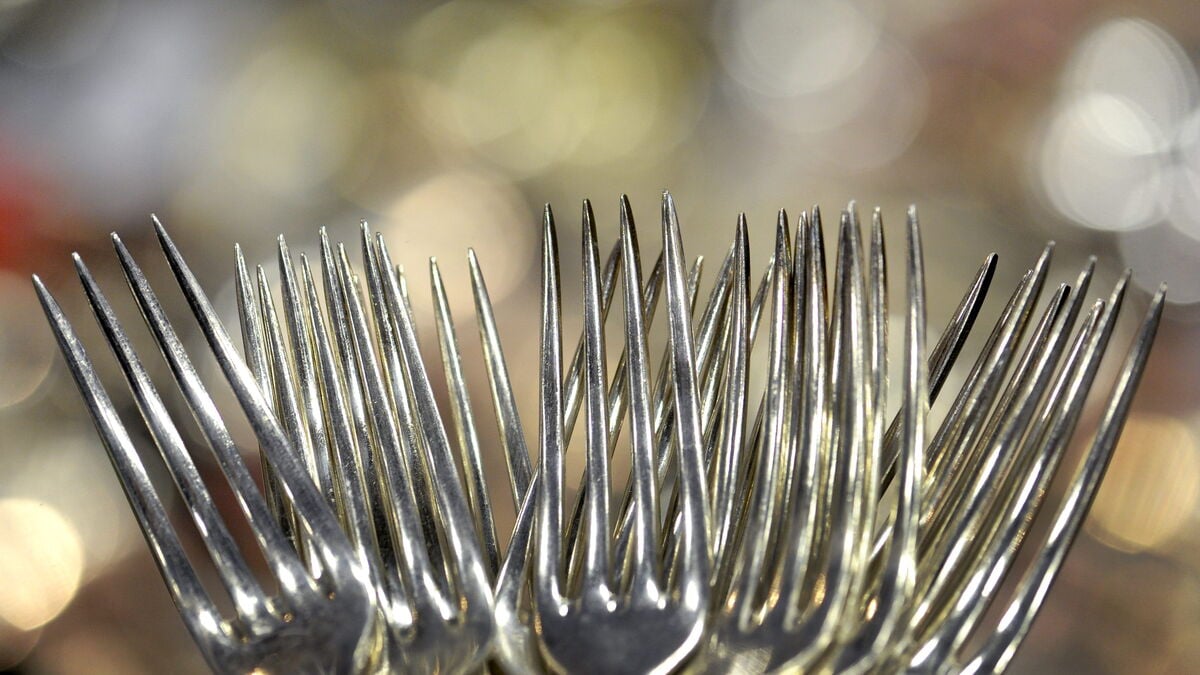
The large, heavy 19th-century silver cutlery is often stored in cupboards and drawers today, and is only brought out on special occasions. The bulky cutlery is in high demand when the price per gram, also known as the scrap price, rises.
In this context, they become a kind of favorite because they are heavy, large and often have no direct antique value. If you have 19th-century cutlery and you don't use it regularly, now is the time to sell.
Silverware has become a hot category on Tradera, and in just two years, the average prices for genuine Swedish silver have doubled on the auction site. But prices are not the only explanation, says Sofia Hagelin, communications manager at Tradera.
Many young people are tired of mass-produced items and the throw-away mentality. They prefer to invest in quality, so second-hand silver becomes worthwhile both because they want authentic things and because it's better for the climate than buying new.
If you decide to sell, you should still be aware that your grandmother's silver spoons will probably end up in the melting pot rather than finding a new home where they will be used and loved.
Sought-after silversmiths
There are also silversmiths and designers who are so sought after that the price can go far beyond the price per gram. Therefore, Andreas Siesing's advice is to always look for hallmarks and try to decipher them to see when, where and which master made the objects before selling. If you are unsure, you can always contact an auction house.
There is a hierarchy when it comes to silversmiths and companies, and when you are at the top, the artistic, cultural and antique value prevails.
Then everything goes in cycles, even silver. Even though there is plenty of 19th-century silver today, it will become rarer if many people send it to the smelters.
Tastes change all the time, so who knows? In 70 years, eating with colossal silver cutlery might be the trendiest thing you can imagine.