The important Strait of Hormuz is already effectively blocked, but some traffic is being allowed through, especially oil shipments from Iran.
The US intends to put a stop to this, according to the latest move by President Donald Trump. In an update on Monday morning, Trump said Iranian exports will also be stopped by preventing oil ships from entering or leaving Iranian ports.
Should be 140-150 dollars
So far, after the weekend's failed peace talks between Iran and the US, the price of oil has risen 7-8 percent to around $102 per barrel of Brent crude. But that's not logical, according to oil veteran Jorge Montepeque, CEO of Onyx Capital Group, in an interview with Bloomberg.
It should be $140-150.
Blocking Iran's oil exports is sheer folly on the part of the United States, according to Jorge Montepeque.
What the US is doing is incomprehensible. They are so focused on Iran that they forget what they are doing to the world.
More expensive fuel
The blockade, which is scheduled to take effect this afternoon local time in Sweden, means even more oil will be removed from the world market, especially in Asia, and prices will therefore rise further, according to his analysis.
Before the US and Israel's war against Iran began on February 28, oil cost around $70.
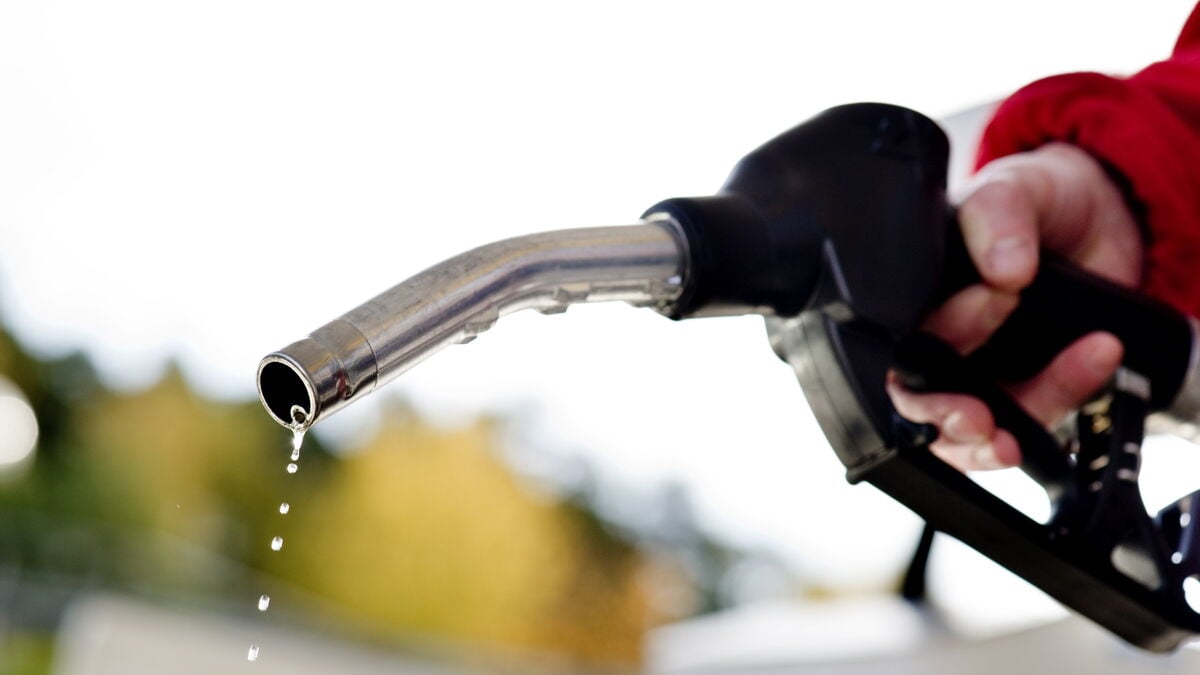
The once again sharply rising oil price on the world market is likely to raise fuel prices at gas stations even further. But in the short term, the leading fuel chains reduced the price of diesel by 70 öre per liter, according to published corporate prices. The price for private customers follows suit, and after the reduction, diesel costs around 22.50 kronor at the pump.
Petrol is still around 18.50 kronor.