If it gets really cold in the autumn and this winter, electricity prices could be very high, says Christian Holtz, an energy market analyst at the consulting firm Polite Energy.
The situation would have been even worse if there had not been a ceasefire and peace negotiations in the Middle East, which have pushed the price of fossil gas on the Amsterdam futures market to its lowest levels since April.
Long way back
This spring's disruptions due to the Iran war - with blockades of tankers through the Strait of Hormuz and bombings of energy facilities around the Persian Gulf - have meant that gas storage in Europe is currently only at around 47 percent of its capacity. This is 9.2 percentage points below the level at the same time last year.
Even if major gas-producing countries, such as Qatar, manage to restart some stalled production and speed up shipping traffic through the Strait of Hormuz this summer, the road back to what it was like before the Iran war is long and winding.
The damage from Iranian attacks on the large Ras Laffan facility in Qatar - which normally accounts for 15-20 percent of Qatar's gas exports - is expected to take 3-5 years to restore, according to Holtz.
The European heat wave is also contributing to this. The heat wave is currently driving an unusually high demand for electricity for ventilation and cooling, and this is slowing down the replenishment of the unusually depleted gas storage facilities.
Turbulent
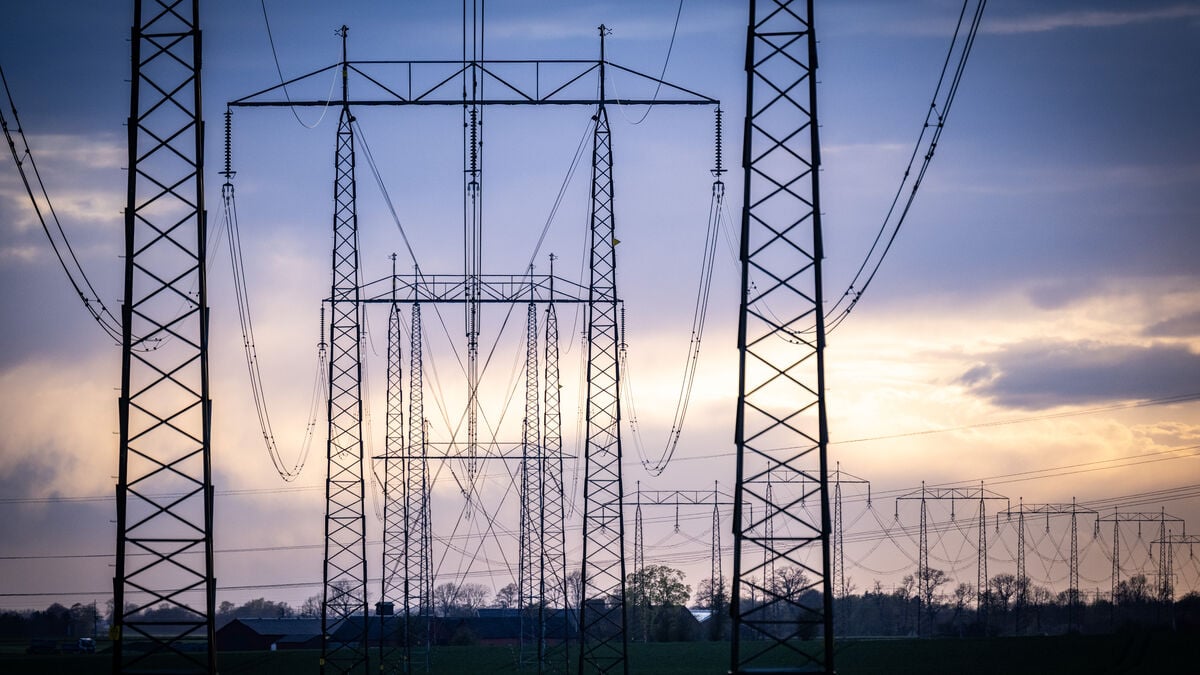
The electricity market is currently turbulent, with unusually high price peaks, especially in the evenings in southern Sweden. This is due to the fact that solar power production in Europe drops out of the production mix in the evening.
To some extent, this is affecting Sweden, says Holtz.
The contagion runs through cross-border electricity trade.
The marginal cost of gas-fired power in Europe will determine electricity prices and hydropower prices in Sweden and the Nordic countries, says Holtz.