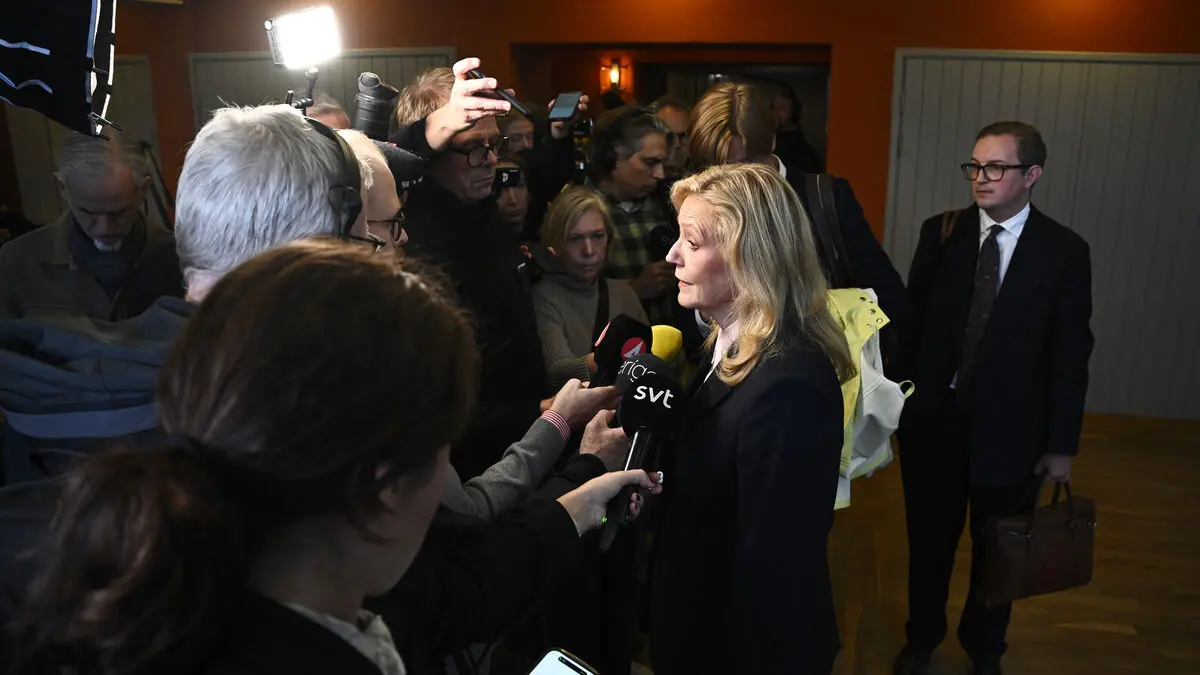
What can be said is that it is a rather funny decision-making process, where a government decision can be overturned due to a lack of any form of evidence, says Anders Lindström.
According to the administrative court, the county administrative boards have not been able to demonstrate that hunting does not make it more difficult to maintain a favorable conservation status for the wolf population.
It is difficult to further comment on the decision in detail without having read the judgment, says Anders Lindström.
We have to do that and see where step two lies, but it's also quite astonishing.
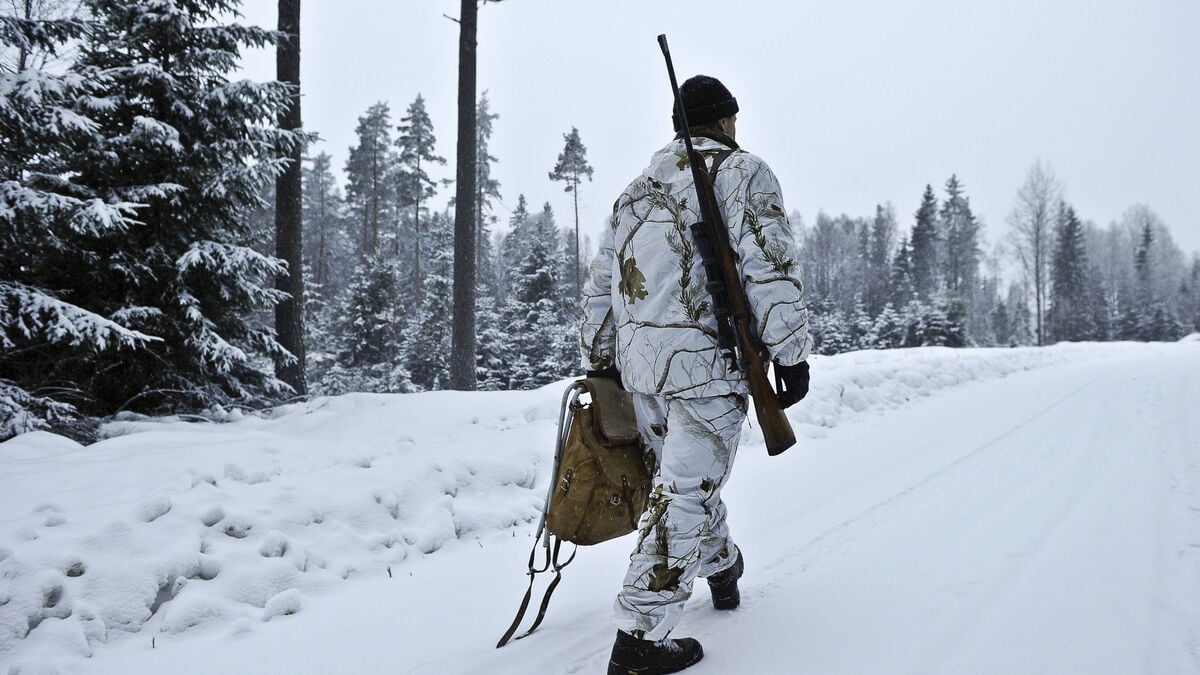
We will do what we can to ensure that the very limited hunt that has been decided is carried out, he continues.
Belief in the future
According to the Swedish Farmers' Association, the decision is "very problematic for animal farmers and affects confidence in the future."
Game damage and predator attacks are a threat and an obstacle to food production, and will continue to be so "unless politics acts for long-term and sustainable conditions," says vice president of the federation Mikaela Johnsson in a comment.
In its decision, the court has, among other things, taken into account that the European Commission believes that the government's minimum limit of 170 wolves is unscientific and risks the species' viability in the long term.
"Now the government needs to act urgently to submit documentation to the EU Commission that establishes that 170 wolves is a reference value for favorable conservation status," says Johansson.
Turn
The Swedish Society for Nature Conservation, which appealed the hunting decision, is pleased with the ruling, which according to chairwoman Beatrice Rindevall could mean a "turning point" for wolves in Sweden.
"The hunting decisions were politically driven, lacked scientific basis and were against the law. The Administrative Court's decision shows that the rule of law can withstand this," she says in a comment.
WWF's wolf expert Benny Gäfvert believes that the announcement was expected.
Our gut feeling said it was heading in this direction when the reference value was changed this summer, because we didn't see that it would hold up legally in any way.
He sees a risk of increased conflict over the wolf issue. The important thing is to prevent damage from large predators in ways other than shooting the animals, he believes, for example through increased support for predator-proof fencing and increased compensation for those who suffer injuries.
I'm not saying it should be seen as a victory, but it is a necessary process that was started with this, says Gäfvert.