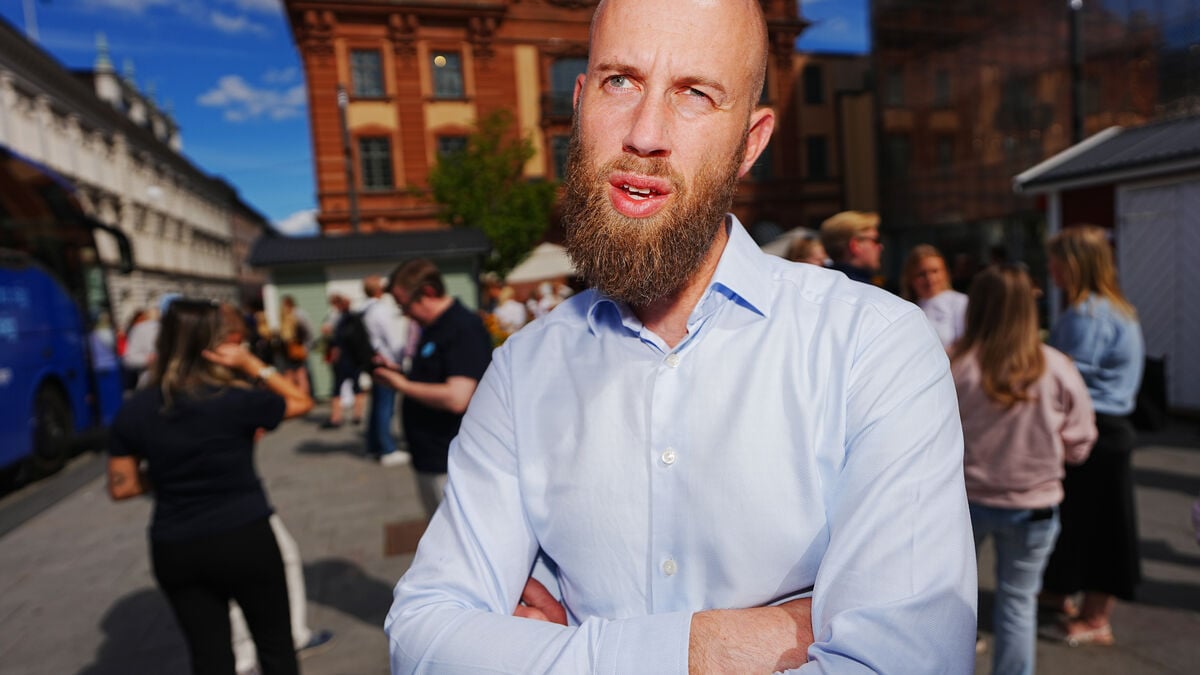
SVT's 45-minute raw interview can be viewed in full on YouTube. Bohlin describes it on X as "one of the strangest and most theory-driven interviews I've ever done with a public service broadcaster."
The minister claims that a long interview was conducted to "get an answer that fits into the supposedly predetermined thesis."
Without waiting for SVT to publish the finished report, he posted the unedited interview.
“Aggressive”
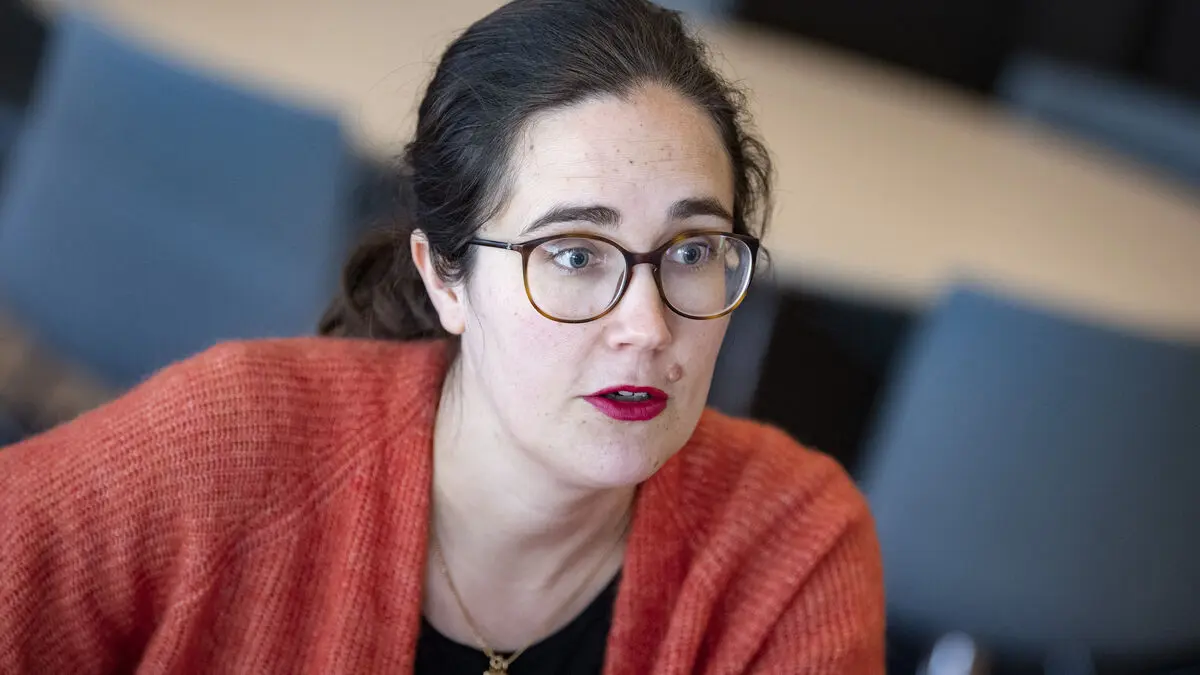
An "aggressive way" to question the journalist's professionalism, says Åsa Wikforss, professor of philosophy.
This is not just about media criticism of the traditional kind, it is about delegitimising criticism where the independence and professionalism of the media are questioned, she says.
Together with her brother Mårten Wikforss, she has written the book "Demokratins ödesstund" (Demokratins ödesstund), which, among other things, deals with how attacks on the media are connected to the rise of authoritarian movements.
Media criticism is important in a functioning democracy but is best done by actors other than ministers, she believes.
There are different types of review mechanisms, it's not like ministers need to take it upon themselves to do this. They should take a step back.
Recording
Ministers' press secretaries have long routinely recorded interviews to check that what is published is consistent with what was said - but for a minister to publish the unedited interview is something completely new, notes Marie Grusell, media researcher at JMG in Gothenburg.
You might wonder why? It could also have to do with the election campaign - this is a way to get attention, it can mobilise your own voters.
Grusell thinks that the tone of the debate has generally become harsher.
Everyone can have criticism and then it may not matter if you are in government. At the same time, you can think about whether the criticism is appropriate in that position - that's where it gets a little confusing.
Carl-Oskar Bohlin writes in an email to TT that he does not understand how it could be a problem for him to publish interview material in its entirety:
"On the contrary, I think it is good that the public is sometimes given an insight into how interviews that are then condensed into a few minutes in a report actually take place. I see it as a contribution to democracy rather than the opposite," the minister writes.
Peter Esaiasson, professor of political science, does not want to take a position on Carl-Oskar Bohlin's publication - now everyone can form their own opinion, Esaiasson reasons, but also notes that the minister lacks confidence in the interviewer.
It can be said that all situations where trust between public actors is broken are bad for society.
Facts: This has happened
Back in December last year, Carl-Oskar Bohlin chose to publish a telephone interview on social media. The interview was given to a reporter at Dagens Nyheter who asked questions about his participation in the Epoch Times. "If you have a moment to spare, this may serve as a way to understand the clash of the new media landscape with the old," the minister wrote.
Last week he was interviewed by a reporter on SVT about his criticism of certain journalists. Bohlin has published the interview on YouTube under the title “45 minutes of theory-driven questions from SVT”. SVT chose to postpone the publication of the finished report until after the election, which the newspaper Journalisten was the first to report.
I am the first to agree with Carl-Oskar Bohlin that it is a very strange interview. He barely accepted the premise that it was an interview, but started debating with me and questioning my questions. This made the interview difficult to conduct and took forever, says SVT reporter Kristina Lagerström to Dagens Nyheter.
In the SOM survey for 2025, 70 percent responded that they have a lot or quite a lot of trust in SVT.
We have very high trust in public service in Sweden and it is stable over time, but what has happened is that trust has become party polarized, says Åsa Wikforss.
The further out on the right, the lower the trust, and research shows that this is not a coincidence - it comes from leading opinion leaders and politicians on the right having pursued delegitimising criticism of the media.