“The Union is preparing for the worst.”
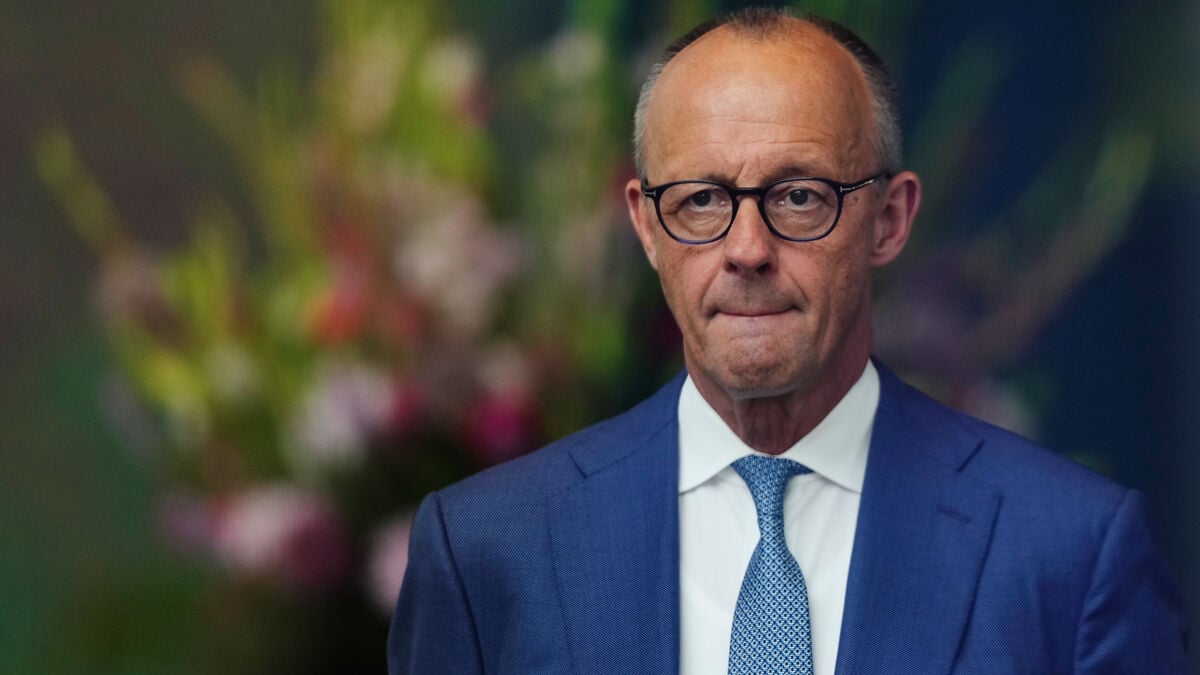
The headline in the Süddeutsche Zeitung summarizes in six words the deepening crisis that Chancellor Friedrich Merz's Christian Democratic CDU and its Bavarian sister party, the CSU, are in.
In several opinion polls published this week, the two Union parties are only getting 18-20 percent, figures described by the DPA news agency as historically low and only a few percentage points more than the Greens. The far-right AfD, meanwhile, is getting support from 29 percent nationally.
The figures come just days before the state elections in Berlin and Mecklenburg-Western Pomerania.
Forward into the headwind
In the capital, which is also its own state, the CDU risks losing power to the left-wing party Die Linke, which in the last election was less than half the size of the CDU. And just two weeks after its election victory in Saxony-Anhalt, the AfD could achieve its next big success in “Meck-Pomm” on the Baltic coast.
According to the latest figures, the AfD looks set to reach 37 percent there - and the CDU a paltry 7 percent, writes the Berliner Zeitung. In the 2021 election, the difference between the parties was 3.4 percent.
Just as after Saxony-Anhalt, when a shocked Merz promised to continue his government coalition's reforms, he sees attack as the best defense.
The bitter election defeat on September 6th changes none of that, he told business leaders in Berlin on Tuesday.
Reduced gasoline price
In an attempt to increase support, the Chancellor therefore announced measures to lower gasoline prices, which are at record highs. Merz could not say exactly how and by how much they could be lowered.
You can expect a proposal very soon.
"We must act now. We must implement reforms to future-proof our country. I personally will not back down from that," he said, according to FAZ.
The words concerned the price of gasoline and entrepreneurship, but could just as easily have been a cry for help to Merz's party comrades.
According to German media, he has called the CDU party leadership to an extraordinary meeting on Sunday to ensure that he has continued support as leader even after the state elections.
And to further emphasize the seriousness, he has decided, according to DPA, to skip next week's UN General Assembly in New York as he is "needed in Berlin."