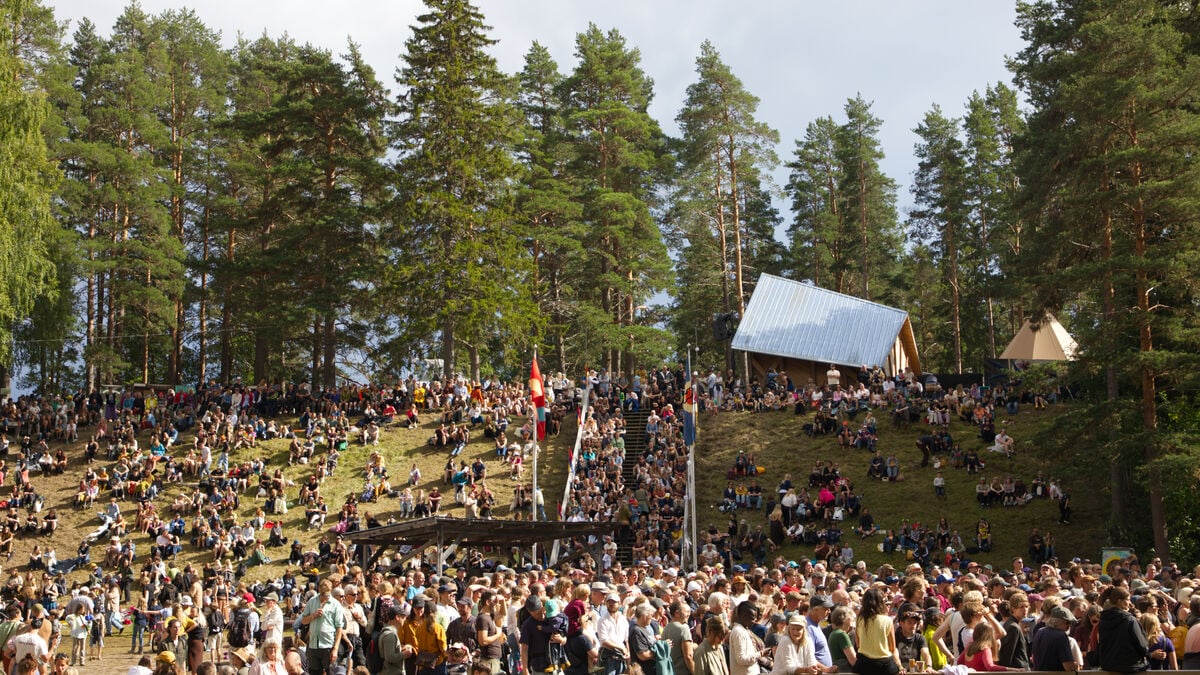
All known cases have a direct connection to the Urkult Festival, which took place from July 30 to August 2 in Näsåker in Sollefteå municipality. The majority of those infected are children under 18 years of age.
- It is a disease that can cause very serious illness, even in otherwise healthy children, says Erik Sturegård.
Daily meetings
The cases have been reported from the regions of Jämtland Härjedalen, Skåne, Stockholm, Västerbotten, Gotland, Värmland and now also from Västernorrland, which previously had no cases despite the festival being held in the region.
Measles is highly contagious, which makes contact tracing time-critical. The Public Health Agency, which has overall responsibility for infectious disease control in Sweden, is in daily contact with the regions.
We have daily meetings with the relevant infection control departments to keep a full overview of what is happening and be able to provide the support needed, says Sturegård.
Seriously ill
The measles vaccine is included in the childhood vaccination programme, with 95 percent coverage. Sturegård reminds us that the vaccine is very effective, and that the high vaccination rate means that we are not at risk of a major outbreak in society.
However, it is serious for those individuals who for some reason are unvaccinated, or perhaps vaccinated but have an underlying disease that means the vaccine does not help. They risk becoming seriously ill, says Sturegård.
In most cases, the people have not been vaccinated against the virus.
"Even though we have 95 percent vaccination coverage in the childhood vaccination programme, we have small pockets of people who, for various reasons, have not been reached by the vaccination, or who have chosen not to vaccinate themselves. Then you get a local minor outbreak very easily when measles is so extremely contagious," says Sturegård.
The disease can be very serious, even life-threatening. However, it is uncommon in Sweden because the measles vaccine is included in the vaccination programme for children.
The first symptoms of measles are a dry cough, irritated eyes, runny nose and fever. The rash does not appear until a few days later. The incubation period is usually 10–12 days, but can vary from 7 to 21 days.
A simple test can determine whether it is measles or something else.
A sick person is contagious four days before the rash appears to four days after.
Source: Public Health Agency of Sweden and 1177