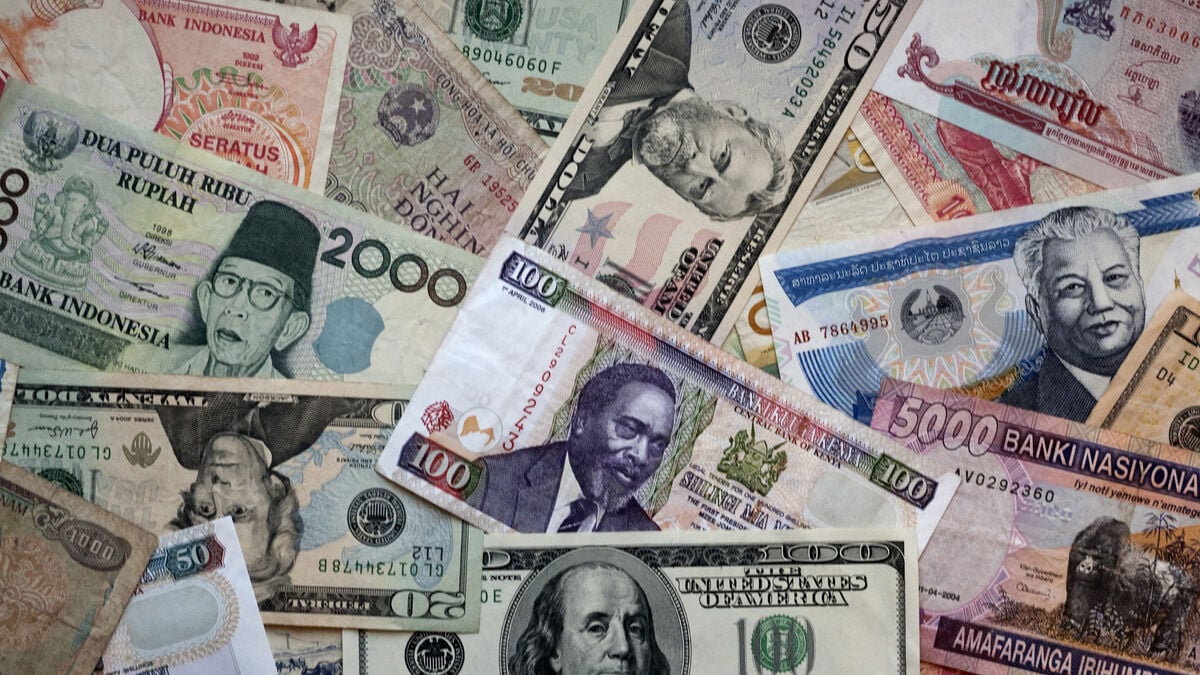
So far, 37 banks in Europe, including major banks in Sweden, have joined a collaboration, Qivalis, which will launch a common digital stablecoin tied to the euro.
"Stablecoin can give customers the opportunity for instant transactions around the clock across country and time boundaries," writes Benny Johansson, head of payments at Handelsbanken, in an email to TT.
Stablecoins are based on similar technology to bitcoin and several cryptocurrencies. However, the latter are valued based on immediate demand and therefore often fluctuate greatly and abruptly in value, says Robert Bergqvist, senior economist at SEB.
If you want to access stablecoins, you have to go to a bank, which must constantly back up issued stablecoins with a reserve of real assets, such as deposits, gold or currencies such as euros, he says.
Pressure on Europe
In July this year, the European Parliament voted in favour of starting negotiations on a digital euro that is planned to be issued by the ECB in 2029.
Why are banks in Europe in such a hurry to have their own digital currency?
The answer, according to Bergqvist, lies in a changed game plan.
In the US, Congress last year gave the go-ahead for private actors to issue various stablecoins, i.e. digital currencies tied to the dollar.
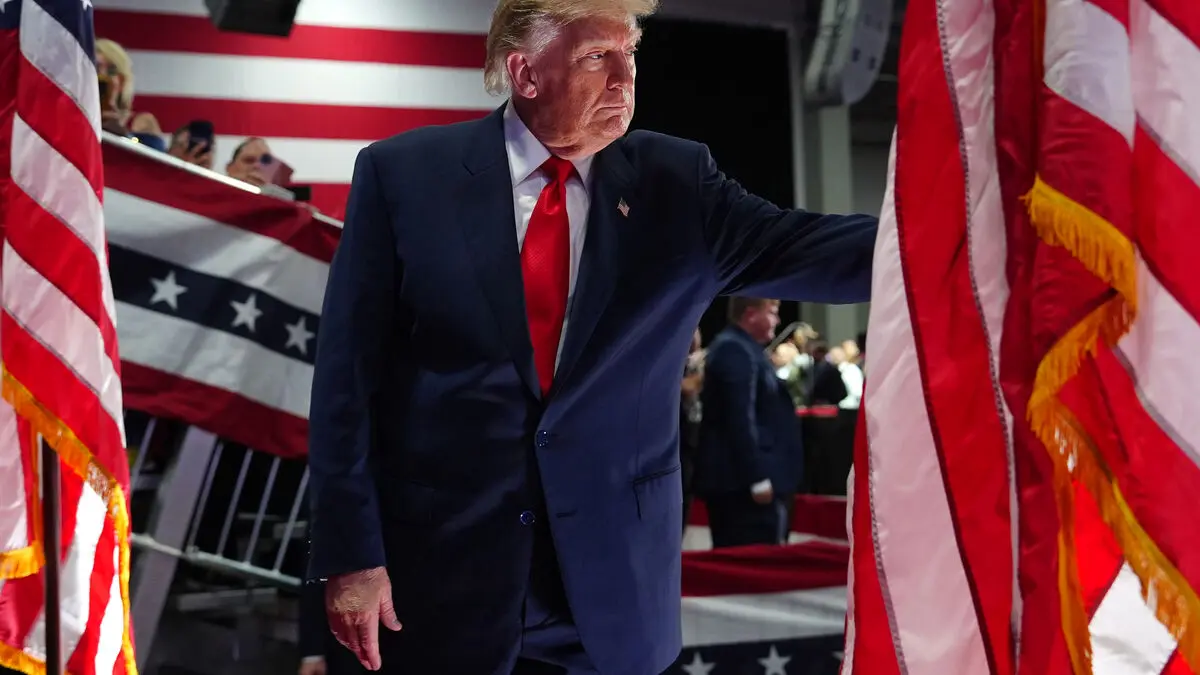
Since President Trump created his own stablecoin, experts have warned of dollarisation of the market.
The more stablecoins that are issued in US dollars, the more power the US gains over the international monetary system, says Robert Bergqvist.
A Europe that does not develop its own alternatives risks being shut out by the US from the international payment system, according to Bergqvist. This in turn could mean that consumers and businesses in Europe are unable to make payments.
Sees risks
The Swedish Central Bank, which has long talked about launching an e-krona (which requires a parliamentary decision), has, however, raised several risks with stablecoins.
"For example, stablecoins are not covered by deposit guarantees or interest," Tomas Lundberg, press officer at the Swedish Central Bank, told TT.
There are also concerns that banks will have less capital available to mortgage borrowers and entrepreneurs.
Bergqvist understands some of the concern.
"If the market loses confidence in stablecoins, customers will want their real money back. Then we, who issued the stablecoins, will have to sell the assets. When everyone has to do it at the same time, the financial system can be exposed to stress," he says.
Stablecoins are digital currencies that aim to maintain a stable value over time by tracking the price of a national currency. They are issued by private companies and are based on blockchain technology.
At the end of last year, payment provider Klarna launched its own stablecoin tied to the dollar.
Qivalis, a consortium of major banks in Europe, will develop a stablecoin solution that will be pegged to the euro and regulated under the EU's Markets in Crypto Assets (Mica) regulation.
According to Qivalis, this digital solution is expected to be launched in the third quarter of 2026.
The US stablecoin regulation, the Genius Act, was approved last year and is expected to come into effect in 2027.
Sources: Riksbank, Handelsbanken and SEB