The small Alpine country, with a population of only around 40,000, has one of Europe's strictest abortion laws. Abortion is allowed only after sexual assault or when the mother's health is in serious danger.
The citizens' initiative Fristenlösung tried to change that, quickly collecting 4,970 signatures - almost a quarter of all eligible voters in the country.
Parliament was also on board, at least to the extent that it forwarded its approval for formal sign-off by reigning Crown Prince Alois.
And there it stopped.
The law is "not suitable to adequately protect unborn life," the court said in a statement, according to the news site Politico Europe.
“Veto over everything”
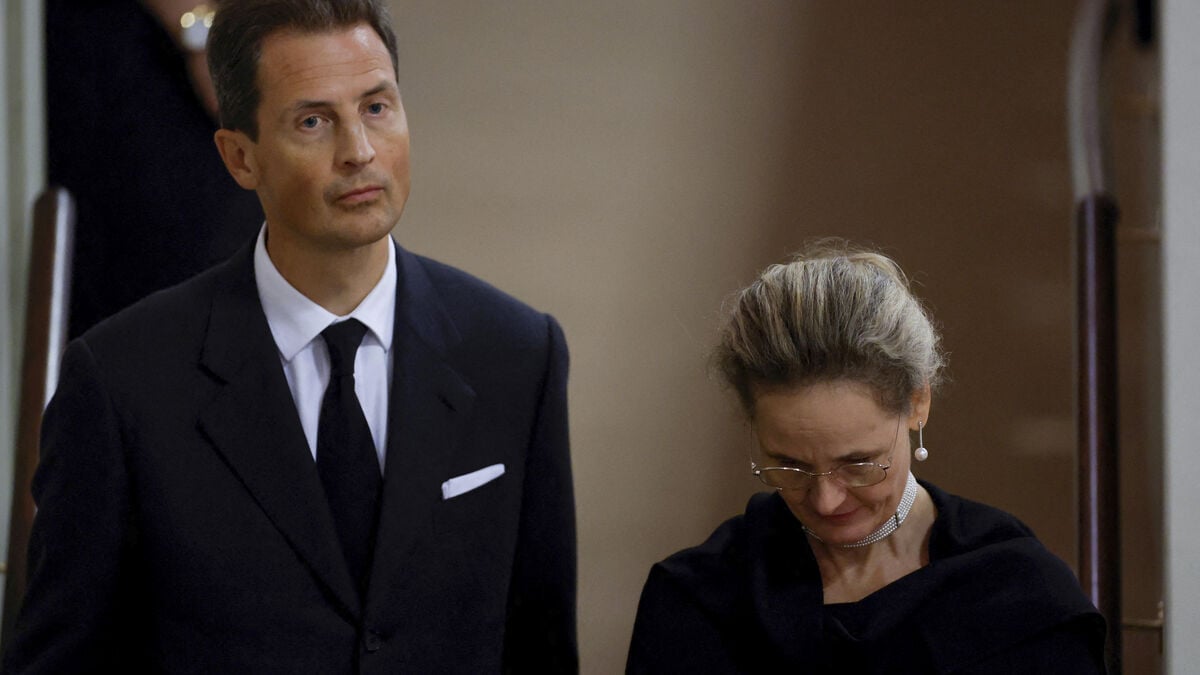
It was certainly no surprise. The 58-year-old Alois had already warned last summer that he intended to use the veto he is still entitled to exercise.
The rejection revives an old battle over the political influence of the princely house, although support for the monarchy itself remains strong.
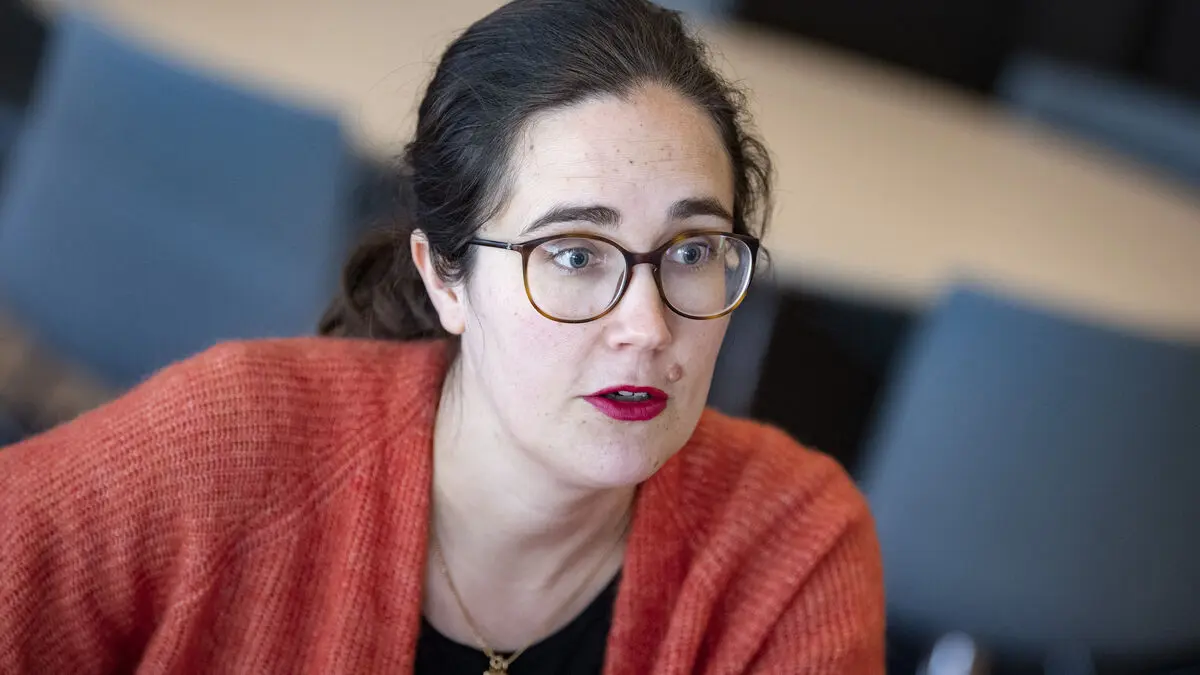
He has a veto over everything, really. Liechtenstein has a tradition of being last when it comes to women's rights. I had hoped that we wouldn't be last on abortion rights too, but it doesn't look good right now, journalist Gabriela Alvarez-Hummel tells The Guardian newspaper.
Belgian solution
It is not unique for a prince to reject a change to abortion legislation. The same thing happened in Belgium in 1990, when the then King Baudouin said he could not sign the law legalizing abortion for personal religious reasons.
However, a typical Belgian solution was found: using an old provision in the 1831 constitution, the king was declared “unable to rule.” The law was approved, after which the king - following 36 hours of incapacity - was once again declared capable.
The head of state of Liechtenstein is formally Prince Hans-Adam II (born 1945), although his eldest son, Crown Prince Alois (born 1968), has served as regent since 2004.
Next in line to the throne is Alois' eldest child, Joseph Wenzel (born 1981), who, through his mother, Sophie of Bavaria (born 1967), could also claim the thrones of England, Scotland and Ireland.
Sophie - the eldest daughter of Duke Max of Bavaria and Swedish-born Elisabeth Douglas - is currently second in line to the Jacobite throne, which has maintained since the overthrow of King James II in 1688 that only his descendants have the right to the throne. However, since the failed rebellion led by James’ grandson Charles Edward Stuart (“Bonnie Prince Charlie”) and his defeat at the Battle of Culloden in Scotland in 1746, the Jacobites have been struggling.