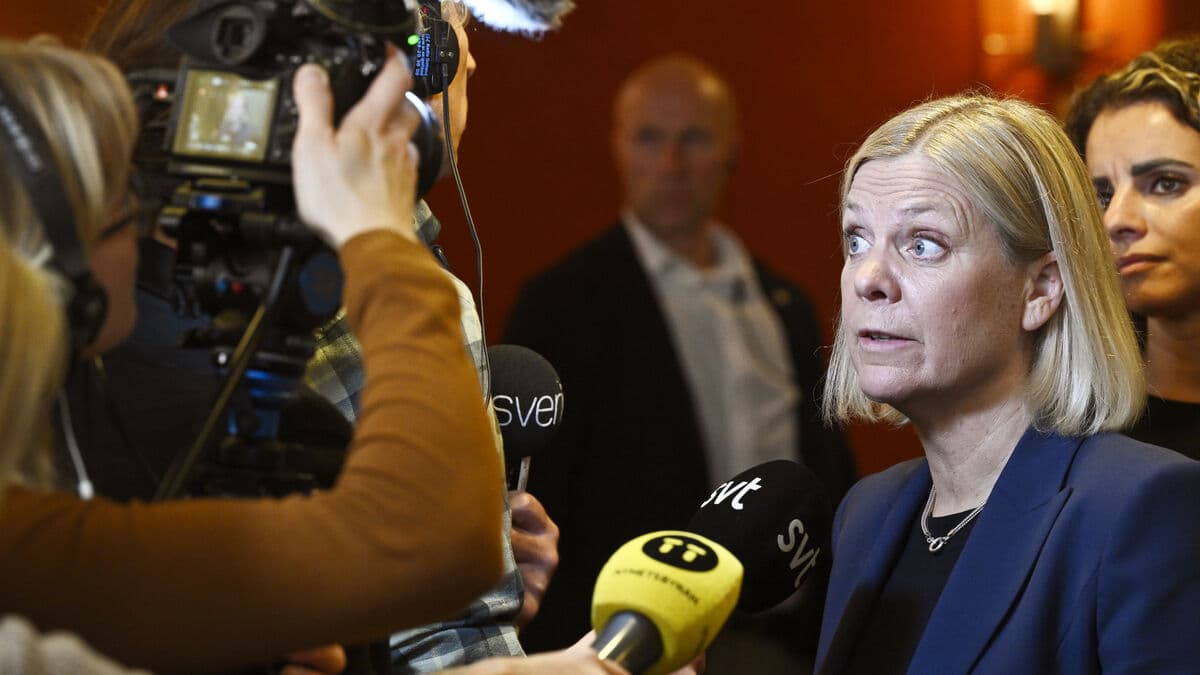
He maintains that Ukraine will receive the EU loan - but that it will take a number of weeks.
The only major condition that Hungary is setting is that the pipeline, which is now damaged by Russian attacks, must be repaired and the oil must start flowing again.
Kristersson is referring to the Druzhba pipeline, which transports Russian oil via Ukraine to Hungary and Slovakia.
The information we have received is that it is repairable and the European Commission is involved in trying to speed up the process.
A hostage situation
It was in December that the EU's heads of state and government decided on an urgent and necessary loan to Ukraine of 90 billion euros - almost 1,000 billion Swedish kronor.
Viktor Orbán then promised not to block the loan; only Hungary was exempted.
The fact that he has now reneged on that promise, citing the oil pipeline, is causing great anger among his EU colleagues. They are using words like blackmail and hostage-taking when discussing Orbán's actions.
There was very harsh criticism; it was an experience that this is not how it can work, says Kristersson, describing that part of the summit as a massive scolding.
If binding collegial decisions are to be made unanimously, we must be able to trust each other afterwards, the Prime Minister emphasizes.
There is a measure of honor in this.
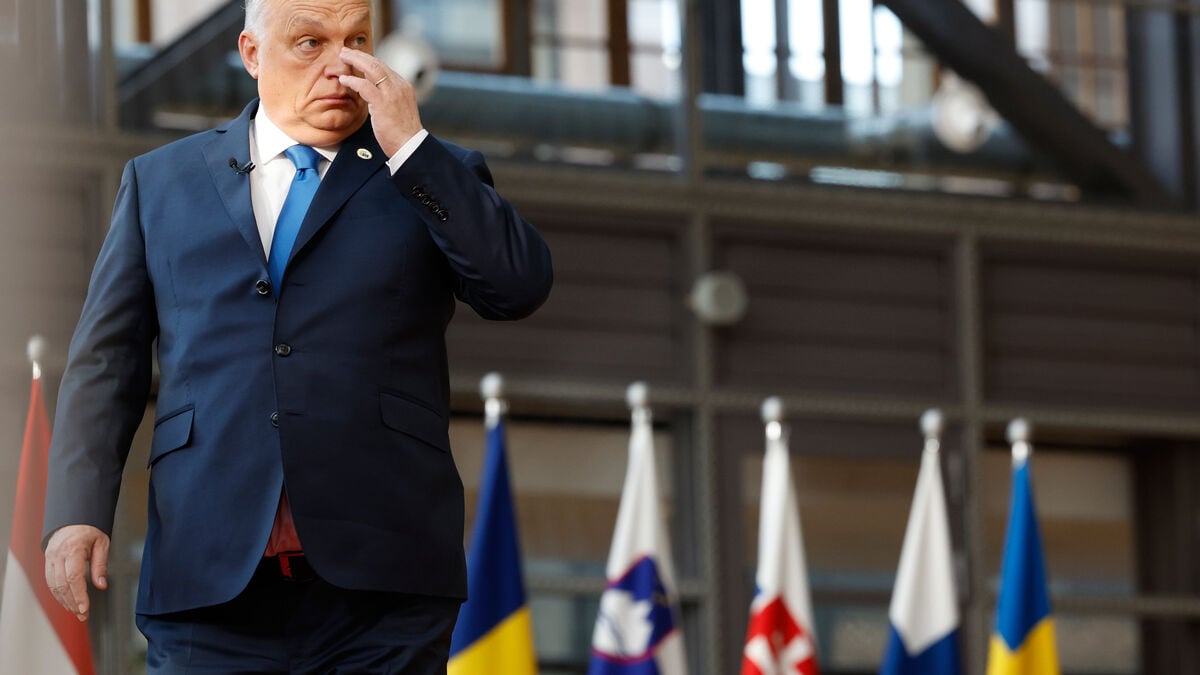
Viktor Orbán was already on his way to the meeting, making it clear that he did not intend to budge.
Hungary's position is very simple: we are ready to support Ukraine when we receive the oil that is blocked by them, he said.
In the evening, he published a video on X in which he said the meeting had been tough and that he had been pressured from all sides.
I can modestly say that I stood firm as a tin soldier.
Campaigns against the EU
The EU leaders' joint statement on Ukraine was ultimately supported by only 25 of the 27 member states. In addition to Hungary, Slovakia - which also has an exemption from the EU's ban on Russian oil imports - said no.
Several leaders linked Orbán's actions to the bitter election campaign currently underway in Hungary, where Orbán faces a real challenger in the form of popular opposition leader Péter Magyar.
There are many indications that Ukraine will have to wait for its loan until at least after the parliamentary elections themselves on April 12.
Many of his EU colleagues see Orbán's desire to appear strong against the EU and Ukraine as the real reason for his veto.
Facts: The quarrel over the Druzhba pipeline
The Druzhba pipeline routes Russian oil to Hungary and Slovakia, the only countries exempt from the EU's ban on Russian oil imports in light of the Russian offensive in Ukraine.
The pipeline runs through Ukraine and was damaged in late January in a Russian attack, stopping the flow of oil.
Hungarian Prime Minister Viktor Orbán has cited the oil embargo as a reason for blocking the disbursement of the €90 billion loan to Ukraine that EU heads of state and government, including Orbán, agreed to at a summit in December.
Ukraine needs the money by the beginning of May at the latest.
Both Hungary and Slovakia accuse Ukraine of delaying the repair of the pipeline and also cite this as a reason for not supporting the EU's 20th package of sanctions against Russia.