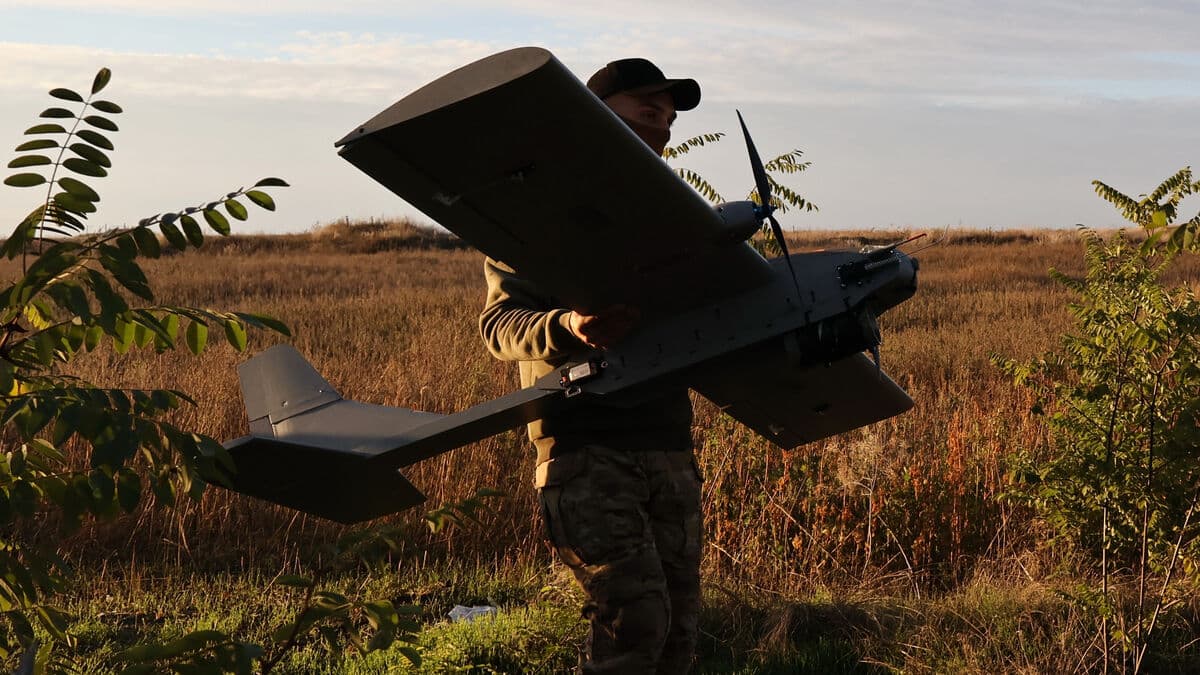
Germany on Tuesday pointed to Russia as responsible for the incident involving an explosives-laden drone at Leipzig/Halle airport in August.
"This was an attack using military equipment, carried out by Russian agents, on EU soil. We will not tolerate it," said Commission President von der Leyen, side by side with NATO Secretary General Mark Rutte in Brussels.
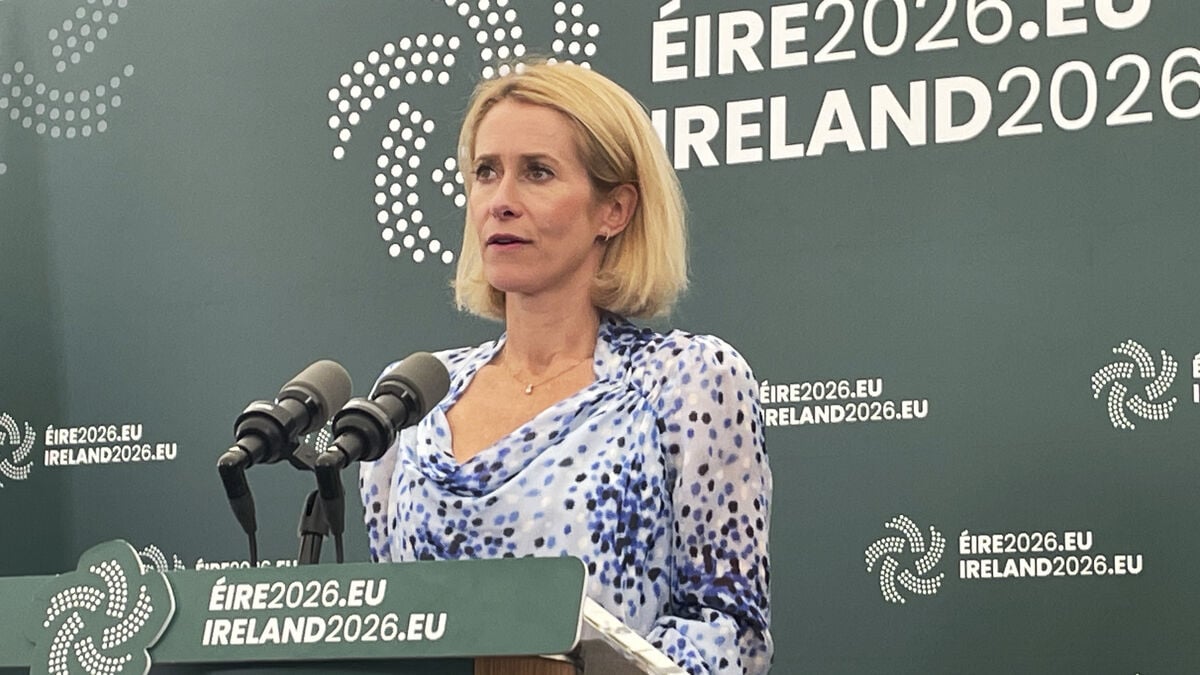
An immediate result is that Ukraine is now receiving help with anti-aircraft missiles from EU countries, "which we have been asking for for so long," says EU foreign policy chief Kaja Kallas at a press conference after a meeting with EU foreign ministers in Wicklow, Ireland, on Wednesday.
"Sponsored terrorism"
Which countries are contributing how much Kallas will let the countries themselves reveal later. Pressure has been heavy recently, especially on Spain and Greece, to share their Patriot missiles with Kyiv.
Kallas calls Russia's actions "state-sponsored terrorism" and says that the EU has summoned the Russian ambassador to the EU to protest.
The same thing has happened in a long line of EU countries, ranging from Ireland and France to Denmark, Finland and Sweden.
More EU sanctions are also being prepared. There is information that one of those suspected of involvement in the Leipzig incident entered the EU using a tourist visa to Italy - which makes Kallas hope for increased support for the demand for stricter visa rules.
In that case, it clearly shows that visas are being used as a tool, says the foreign minister.
According to the newspaper Süddeutsche Zeitung, investigators have identified two suspected men with links to Russia in connection with the incident.
Frozen assets?
Sweden is simultaneously pushing to once again discuss how Russia's frozen state assets in Europe can be used for Ukraine.
Belgium - where most of the assets are held - said no last year, for fear of being solely liable for damages in a possible lawsuit at a later stage.
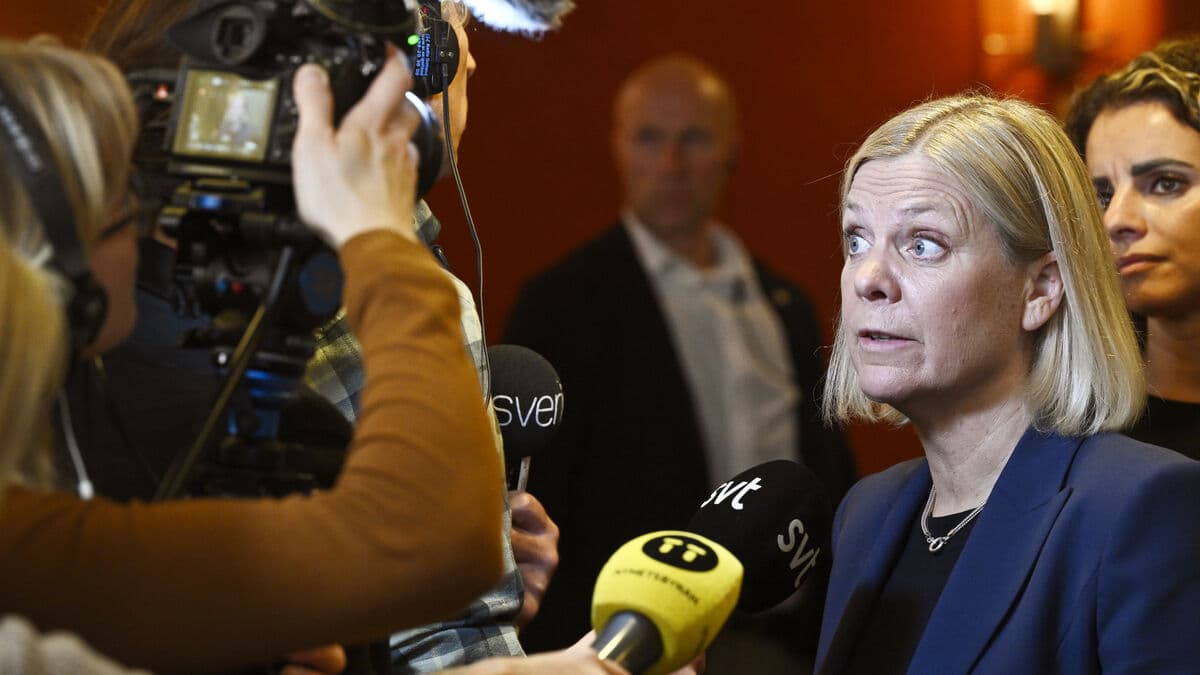
"There are of course concerns from Belgium, which I have great respect for. But if you go against this, you have to have a different proposal for how to increase support for Ukraine," says Foreign Minister Maria Malmer Stenergard (M) on site in Wicklow.
The European Commission estimated last autumn that there were a total of 210 billion euros in frozen Russian state assets in the EU, the majority of which - 185 billion - with the securities institution Euroclear in Belgium.
However, a proposal from the Commission to lend at least €90 billion of the money to Ukraine never materialised after Belgium vetoed it. The country was concerned about being solely responsible in a possible future compensation case and received support from Italy, among others.
Instead, EU countries agreed to raise a joint loan of 90 billion euros to support Ukraine in 2026 and 2027.