The rocket was launched from the Tanegashima Space Center at 4:30 a.m. on Tuesday, local time in Japan.
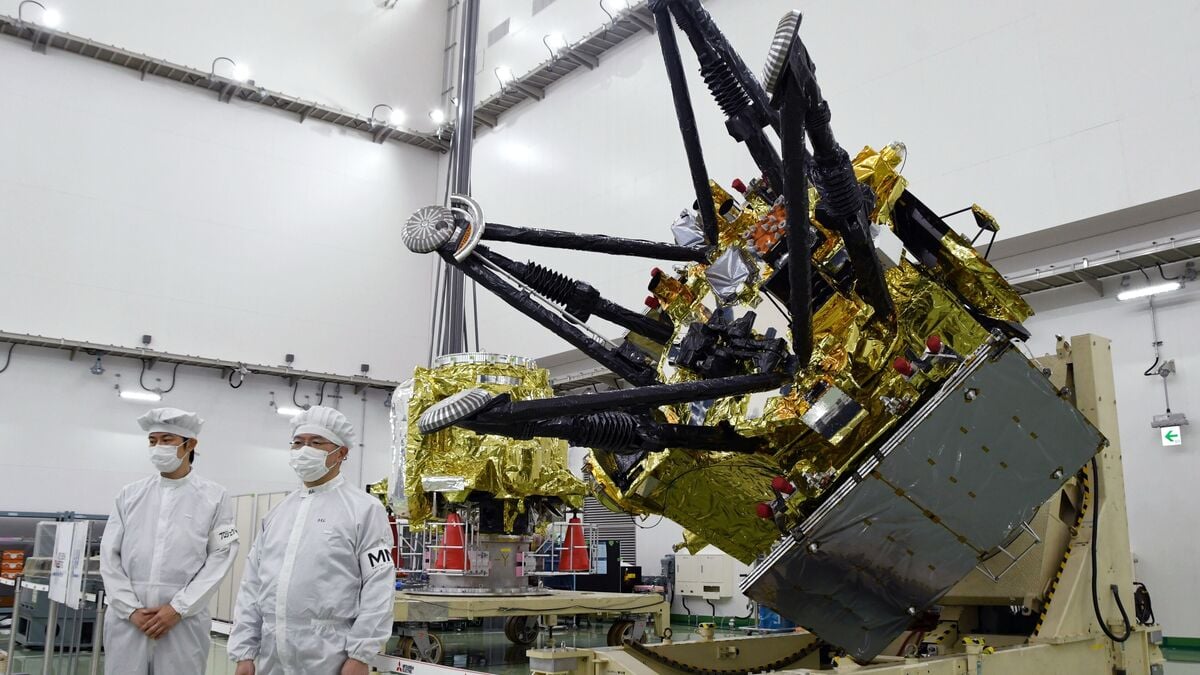
The spacecraft is due to spend three years in orbit around Phobos, the larger of Mars' two moons, and bring back at least 10 grams of samples from the moon's surface.
The spacecraft is expected to reach its destination in August.
The mission is being carried out by the Japanese space agency JAXA in collaboration with its American and European counterparts, as well as several universities and technology companies.
The aim is to shed light on how Mars got its moons. One hypothesis is that the moons formed when Mars collided with another celestial body; another is that they were asteroids captured by the planet's gravity.
Researchers also want to investigate whether Phobos could serve as a “natural space station” for future missions to Mars.