
The three major surveys show a consistent picture, with a slight advantage for the opposition. However, Likud is doing better than in the latest opinion polls, says Anders Persson, a Middle East expert at Linnaeus University.
He adds that the exit poll results should be interpreted with great caution. A preliminary result is not expected until Wednesday.
It is not known whether any of the smaller parties will get in, but overall, the election result is unclear.
Could become kingmaker
According to exit polls by major television channels, Netanyahu's bloc will receive 50 seats, while the opposition, led by Gadi Eisenkot's Yashar party, will receive 52 seats.
A majority in the Knesset, the Israeli parliament, requires 61 seats.
In the same exit polls, the two Arab parties, the Joint List and Ra'am, look set to become kingmakers, with a total of 18 seats.
Only one party in the opposition has clearly stated before the election that it would consider cooperating with these parties, says Persson.
What makes things difficult for the opposition is that support from Ra'am alone does not seem to be enough.
According to Persson, Ra'am, which looks set to win seven seats, is the Arab party that has historically been most friendly towards the opposition.
But the discussions are really starting in earnest now. Everyone knows that there is one discussion before the election and another after it, he says, adding that he believes the opposition will do its best to avoid a snap election.
But I don't think they are satisfied with 53 seats. Even though some are declaring victory, I think they would have hoped for a better result.
Not satisfied - despite the advantage
Moreover, most indications are that Netanyahu is doing better than the latest opposition polls suggested.
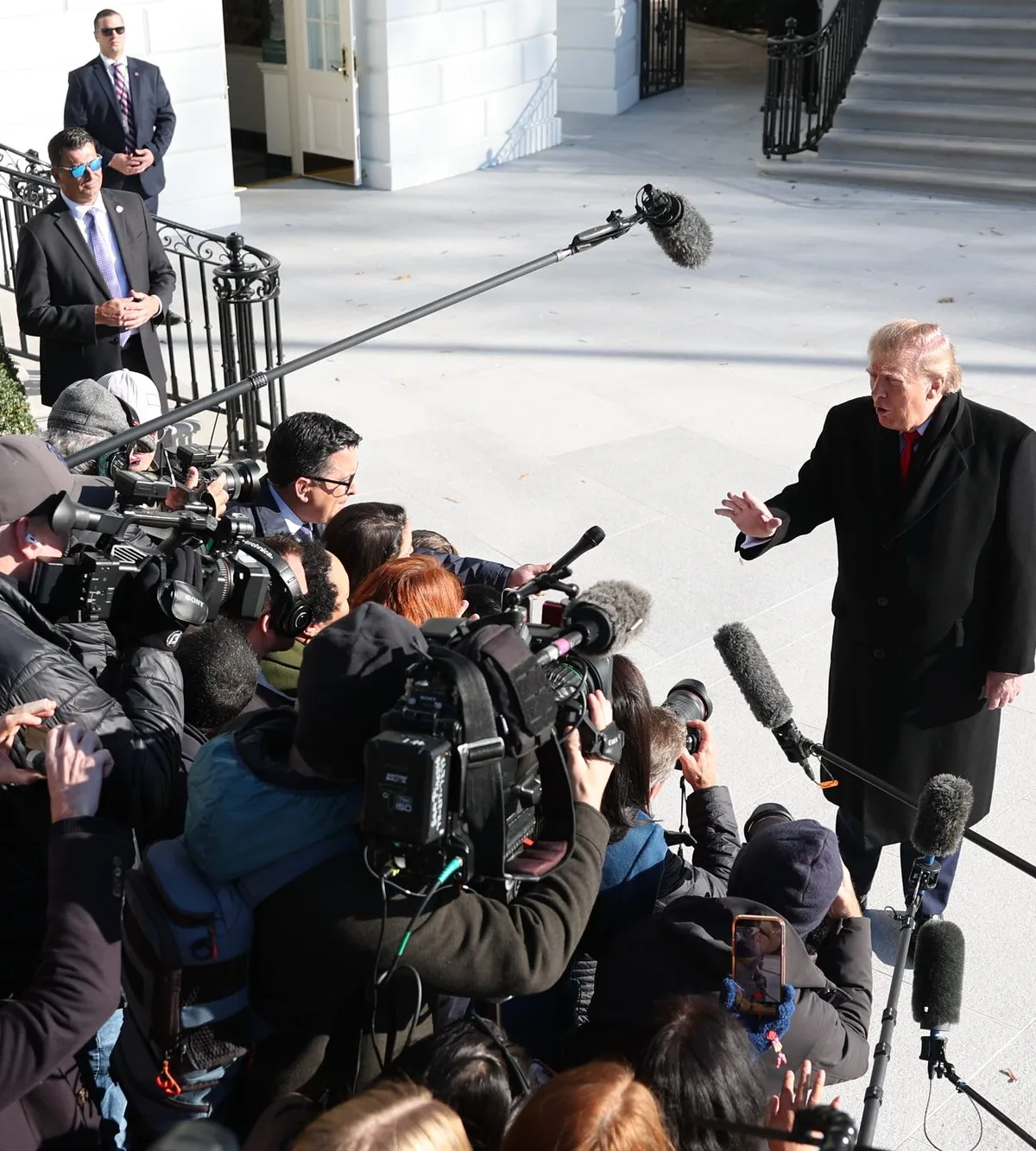
He is doing pretty well given the circumstances, and I wonder, out of pure curiosity, what is behind his surge in the polls. It could be a Trump effect, says Persson, referring to the US president's clear stance on Netanyahu.






What do you think?