An investigation into over-indebtedness proposes several changes to the rules on debt and debt restructuring.
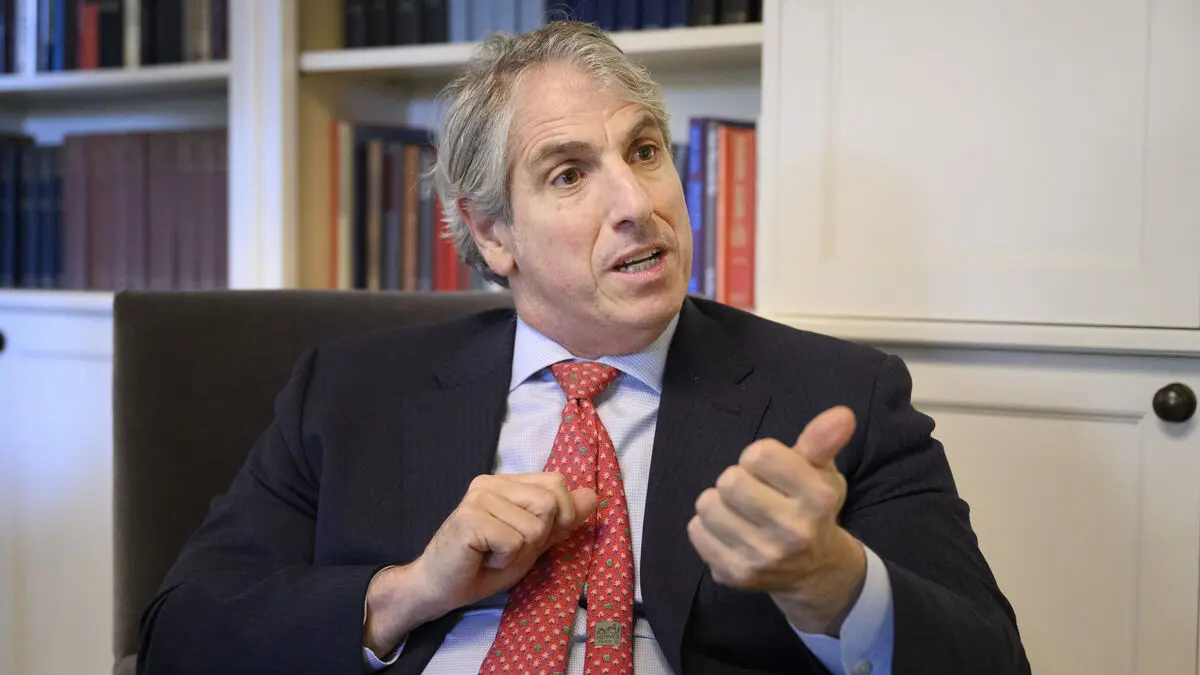
"It's about a very large number of people who can't get out of their debts," says Cecilia Hegethorn Mogensen, acting bailiff and the Swedish Enforcement Authority's representative in the inquiry.
Most important, she thinks, is the proposal for how payments on debts that have ended up with the Swedish Enforcement Authority should be handled. Debt settlement, it is called in the proposal.
Interest and fees
Once you fall behind, payments go first to interest and fees. Now we are reversing the order, so that payments first go to reducing the principal debt.
This will reduce the principal debt so that the debtor has a chance to get out of debt on their own. As it is now, that will be almost impossible, she explains.
We have calculations showing that if you have a debt of half a million, and pay half a million in interest and fees, you can still have the entire principal debt.
She says that around 100,000 people, about a fifth of those who have ended up with the Swedish Enforcement Authority, have had cases with the authority for 20 years or more. The Swedish Enforcement Authority refers to them as perpetual debtors.
For us as an authority, it's not good either. We take people's property and sell it, without reducing the debts. We also believe that this is better for payment morale.
She hopes, and believes, that the debt settlement proposal will pass, even though it will of course meet resistance from the credit industry.
If you don't do something about the rules on debt settlement now, it will never happen. This should have been done a long time ago. These are very archaic rules that don't fit today's view of consumers.
Shorter debt restructuring time
The inquiry also proposes changes to the rules on debt restructuring.
Perpetual debtors often feel bad and are unable to seek debt relief. Now we should seek them out instead and help them. I believe in that, because those who really need help cannot seek it.
It is also proposed to shorten the time during which debt restructuring is in place.
Five years is a long time. Three years is more manageable, it's more of a fresh start. We believe it gives a better rehabilitation effect, says Cecilia Hegethorn Mogensen.
TT has been in contact with the Swedish Bankers' Association, which will respond to the referral once it arrives.
The investigation has proposed a number of changes aimed at reducing over-indebtedness. Firstly, a so-called settlement scheme for consumer claims that have become due for payment, which aims to give more people with long-term debt the opportunity to get out of debt.
According to the proposal, the new system will apply to both voluntary payments and foreclosures. Payments and funds received will only be set off against default interest as a last resort, according to the proposal.
The purpose of the proposal is to give the debtor better opportunities to reduce their principal debt through instalment payments.
The investigation also proposes amended rules for debt restructuring.
The amendments regarding the debt restructuring procedure are proposed to enter into force on 1 July 2028, and the amended settlement scheme for consumer claims on 1 January 2031.
Source: SOU 2026:43