Both India and the EU are praising the trade agreement, which involves reduced tariffs on both consumer and industrial goods.
In practical terms, this means that, for the EU, tariffs are being reduced to zero on marine products, among other things, while India is making extensive tariff reductions on industrial goods.
This is also where Berg Propulsion may be affected. Philip Chaabane, Sales and Marketing Manager, was recently on site in Mumbai, India.
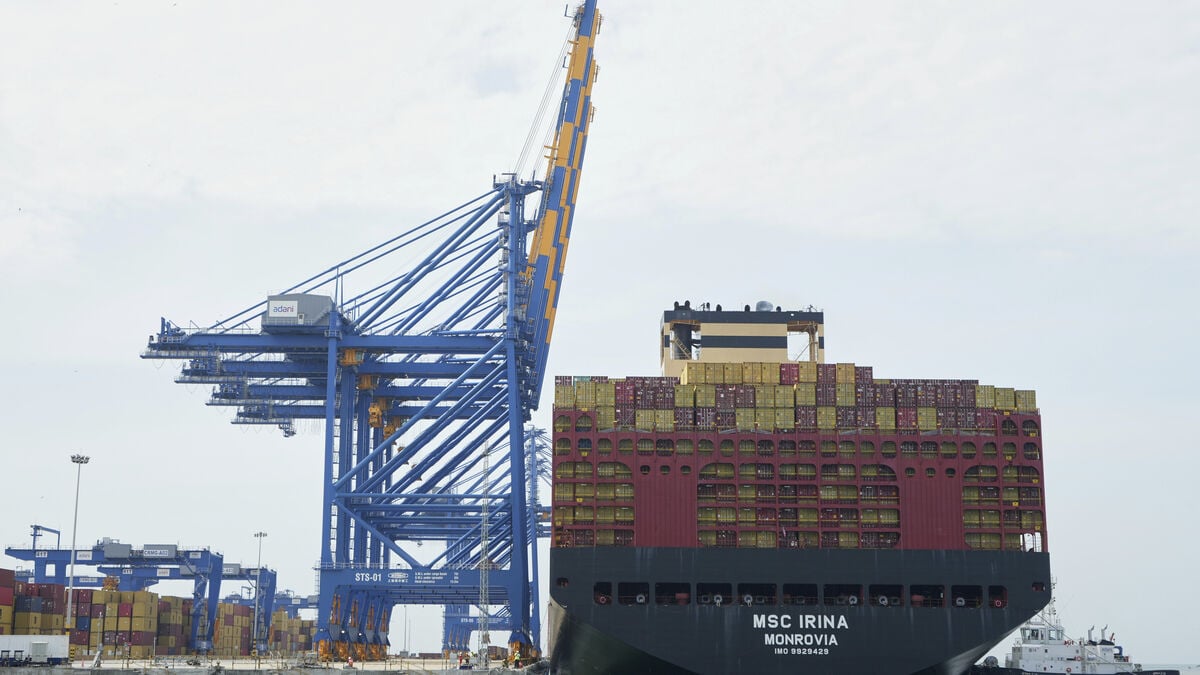
"For a few years now, European shipowners have been choosing to build in Indian shipyards. It is also a very clear indication from the Indian government that it is investing enormous amounts of money not only in expanding the ports but also in the capacity to build ships," he tells TT.
An important part
Berg Propulsion on Hönö, outside Gothenburg, has been around for more than 100 years. Today, the company manufactures ship propellers that can measure between three and eight meters in diameter. Sales are global, and India is already an important part.
"We are already involved in India in a number of projects. I can't go into detail, but we think anything that promotes trade with India is positive because the country is facing an interesting growth journey," he says of the trade agreement.
Growing middle class
Philip Chaabane points out that India's rapidly growing middle class will drive the country's trade.
" Trade traditionally takes place via shipping, and if you are a large importer and/or exporter, there are advantages to having a strong marine industry, where you can have domestic shipowners who own the ships, preferably built in your own country."