In early December, the European Broadcasting Union (EBU) voted through new voting rules to “increase trust, transparency and audience engagement.”
At the same time, it was clear that Israel – whose participation is controversial due to the war in Gaza – will be allowed to participate.
Broadcasters from Ireland, the Netherlands, Slovenia and Spain, who had all threatened a boycott, announced that they would not participate. Iceland said that an announcement would be made on December 10.
"Given the public debate in this country and the reactions to the EBU's decision made last week, it is clear that there would be neither joy nor harmony surrounding Rúv's participation," the company now writes in a press release .
Therefore, the decision has been made that Iceland will not participate in Vienna.
Artist Björk is among those pushing for an Icelandic boycott. Iceland's Social Democratic Minister of Culture Logi Einarsson said on Tuesday that it would be "unfortunate" if Iceland were to participate.
The EBU tells Norwegian NRK that the costs for participating countries will not be higher due to other countries withdrawing.
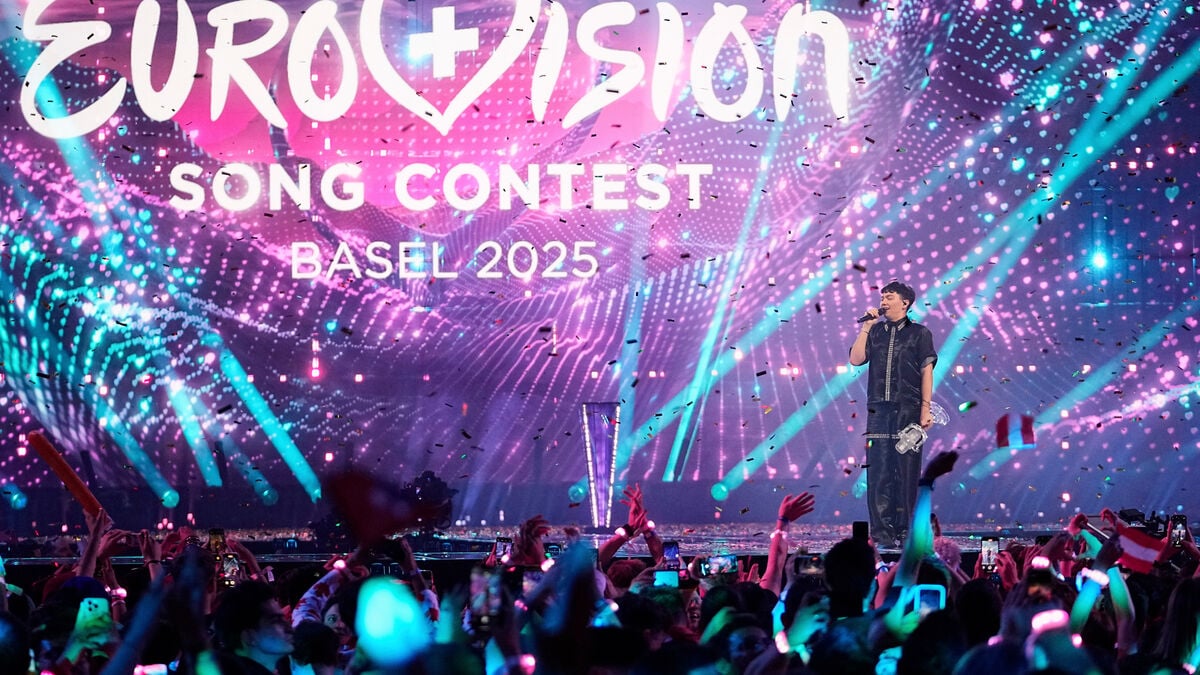
The 70th edition of the Eurovision Song Contest will take place in Vienna in May 2026.