Necessary decisions have been postponed to the future and the Council notes that the government's climate policy during the mandate period has resulted in neither the national targets for 2030 nor 2040 being met under today's policy, nor the EU's requirements for 2030.
It is not yet impossible to achieve the goals, but that would require "powerful decisions" by the next government, according to the report.
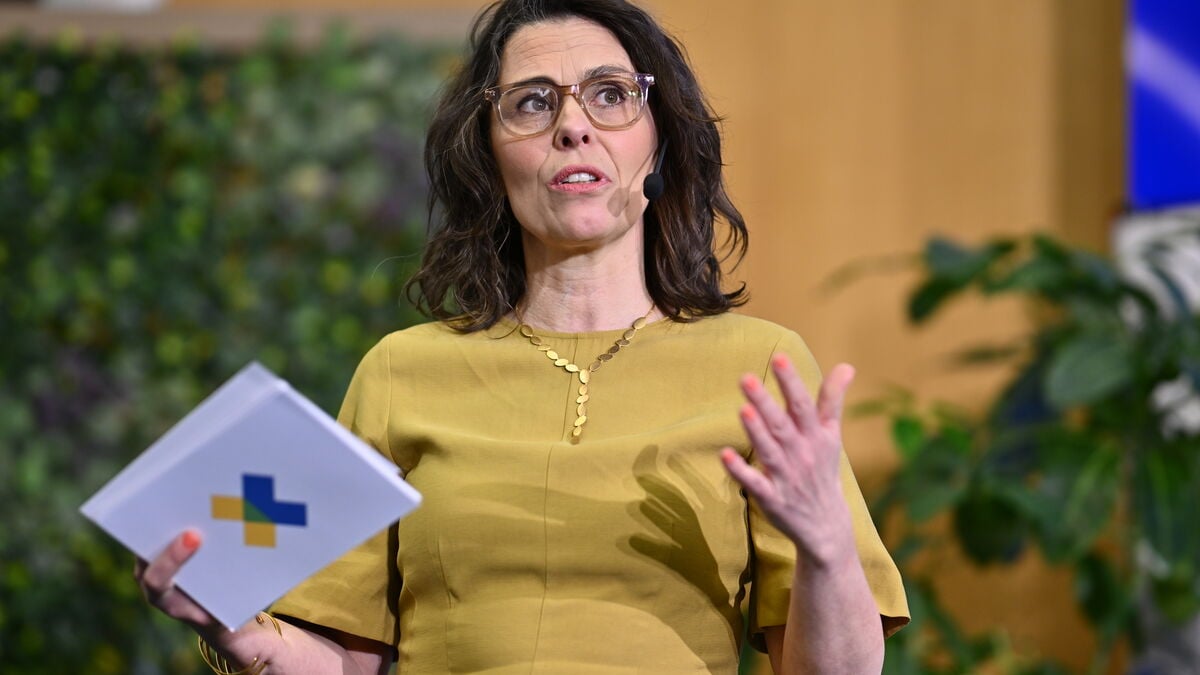
"There is no more room for postponing decisions. It will be a tall order for the government that takes office after the election," says Council Chair Åsa Persson.
Pros and cons for the industry
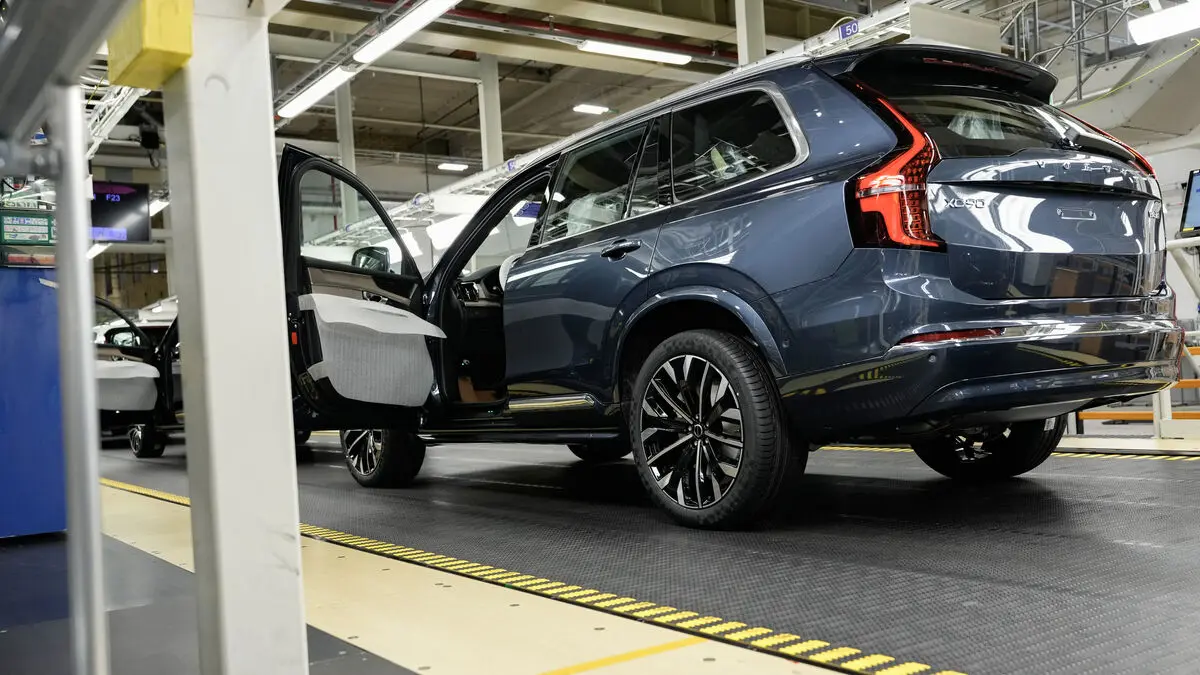
The government's cuts to fuel taxes and to reduction obligations have led to more fossil fuels being used and to electrification stalling. The market share for new electric cars is falling, while both Norway and Denmark have overtaken Sweden in this area, according to the Council.
Wind power is another area where Sweden has slowed down.
There is a very rapid expansion underway in many countries around the world, says Persson.
On the plus side, she highlights Sweden's actions internationally.
We think the government has stood up for the EU's climate policy, and it is very important. It affects not only Sweden's climate transition, but all EU member states. We think they have done the right thing.
At the same time, Sweden has lost its leadership position, she believes.
An important part of leadership is to deliver on the EU commitments we have been given, and we don't seem to be doing that now. It's about leading by example and doing your homework.
The conditions for investments in new nuclear power have improved, which also partly benefits the industry's transition. However, reduced ambition in politics and indecision have increased uncertainty, according to the Council's conclusion.
Ten recommendations
Åsa Persson says that the Council has a good dialogue with the government, but that measures proposed year after year are not reflected in policy - which backfires.
Swedish households and companies would have been less affected if they had been quicker to switch to electrification and made electric transport more attractive, she says.
The report presents ten recommendations for climate policy in the next term. Among other things, the Climate Policy Council wants to see a concrete climate action plan no later than when the budget bill is presented in autumn 2027.
Facts: Recommendations of the Climate Policy Council
Ten recommendations for the next term of office addressed to all parliamentary parties:
Present a concrete climate action plan no later than the budget bill in autumn 2027
Work to ensure that the EU's 55% package is implemented by 2030, as agreed, and take a proactive role in developing an ambitious European climate framework by 2040
Develop the Swedish climate policy framework to 2040
Integrate climate change into the comprehensive modernization of total defense
Introduce a broad package of instruments for emissions from the transport sector and heavy machinery
Create stable and long-term conditions for industrial transformation
Anchor and broaden the policy for the fossil-free energy sector of the future
Decide on instruments for increased net uptake in forests and land
Design a bioeconomy strategy for Sweden with a comprehensive approach to the role of forests
Develop climate policy for agriculture
Source: Climate Policy Council