The people's fear: The regime will remain.
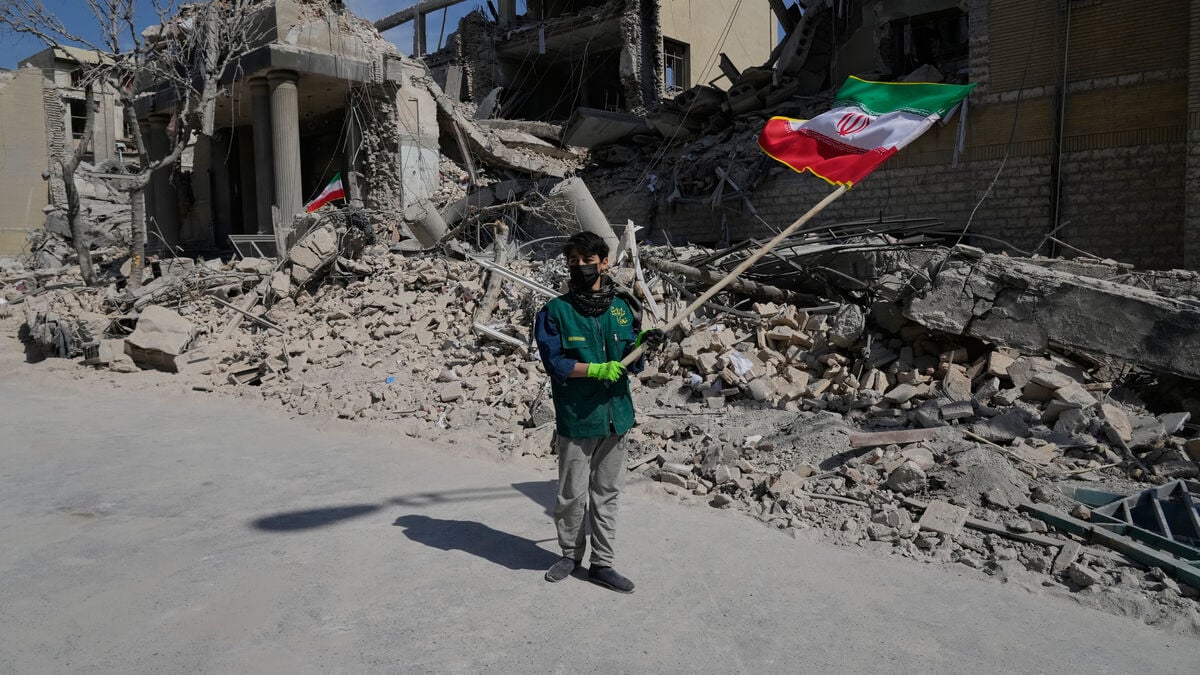
Many Iranians critical of the regime hope for change, but the Iranian regime has had time to prepare for this war. Although Supreme Leader Ali Khamenei has been killed, there is a clear plan for how he and other killed leaders will be replaced at several levels. The military has also been decentralized to continue resisting pressure even when commanders are killed.
US President Donald Trump has signaled that he wants to avoid a protracted war that costs voters support. Without an armed domestic opposition, there is a risk that the war will end with the Islamists remaining in power, ready to once again suppress any popular uprising with violence.
The Maduro model: The mullahs stay - but are reformed.
When the United States intervened in Venezuela, it did so by removing President Nicolás Maduro from power and then collaborating with the remnants of his regime.
In Iran, after Khamenei was killed, Trump has opened up talks with the leadership that has temporarily taken over the helm after the ayatollah.
When a reporter asks Trump if he has a successor in mind for the leadership of Iran, he highlights the developments in Caracas as worthy of aspiration:
"Venezuela was incredible. We did the attack and we kept the government intact," he said during a press conference this week.
In practice, this would mean that the Islamic Republic, which many Iranians want to replace, would be preserved, but with a slightly more pro-Western and reformist focus.
Civil war and chaos.
If the regime is worn out without a clear replacement emerging, internal chaos threatens, with different groups fighting for power.
In Iran, there are many different ethnic groups - in addition to Persians, there are also minorities such as Azeris, Kurds, Baluchis and Lurs.
In the event of regime collapse and American withdrawal, there are fears that weapons could flow in along unguarded borders and turn the country into a battlefield for local militias and foreign interests, similar to what happened in neighboring Iraq after the US invasion in 2003.
The regime collapses - democracy is introduced.
The dream scenario for the people calls for the armed forces to lay down their arms. The opposition can then agree on a transitional government to take over until free elections can be held.
However, analysts warn that this scenario is the least likely, The Guardian writes, and refer to studies that new authoritarian leaders often take over when a dictatorship falls.