It has been silently killing people over the years by destroying body tissue at a furious pace. The “flesh-eating” bacterium Vibrio vulnificus, which can cause bathers' fever, thrives in warm, preferably brackish water and enters the body in two ways: either through an open wound exposed to water where the infection is present, or through the consumption of raw shellfish, especially oysters.
The bacteria thrives
Calling it carnivorous isn't really accurate, but it destroys body tissue at such a rapid rate that limbs can need to be amputated just hours after the process begins, hence its nickname. It can also cause blood poisoning.
Warmer waters, as a direct result of climate change, are opening up opportunities for the bacteria to thrive. The Mediterranean is one of the fastest warming seas on Earth, Hatim Aznague, analyst for projects, climate action and energy resilience at the Union for the Mediterranean, told Euronews.
The Mediterranean shows us what a warmer world means, he says.
Surface temperature rises
The naturally high salinity of the turquoise sea has historically kept the bacteria at bay. But as the sea warms and the salinity changes, conditions may change for the bacteria.
The European Environment Agency (EEA) estimates that the surface temperature of European waters has risen four to seven times faster than the global average for oceans. In addition, the density of bacteria in the water increases as water masses evaporate due to the heat. This in itself also increases the risk of exposure to the bacteria.
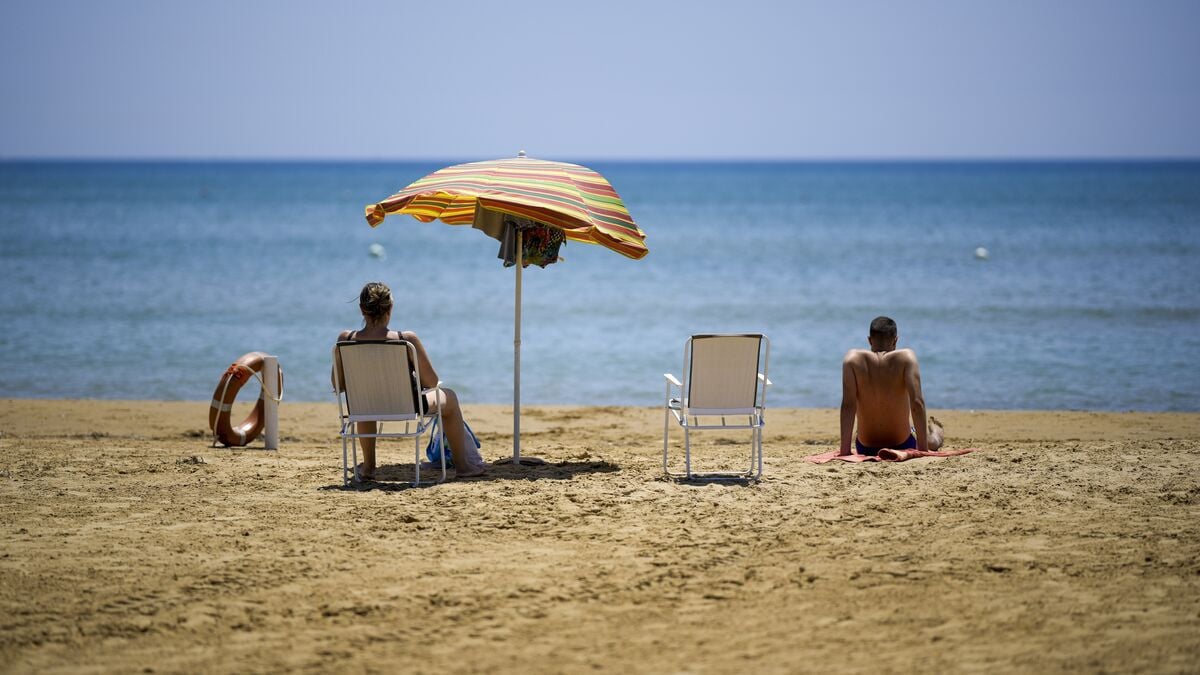
The Mediterranean region is one of the world's most visited holiday destinations, with millions of tourists traveling to the sea area every year.
Bathers' fever is a serious illness caused by infection with a bacterium called vibrio.
Anyone who suffers from bathers' fever needs treatment, either with antibiotics or hospitalization.
The disease affects the elderly, people with serious illnesses or weakened immune systems the most.
Source: 1177