The formal decision was made via a written procedure that was concluded early Friday evening. Despite no votes from, among others, France, Poland and Hungary, EU countries approved the agreement that has been negotiated since 1999.
"After more than 25 years, today's decision is a historic step," said Cyprus' Minister of Trade and Energy Michael Damianos in a statement.
Both Sweden and the EU leadership are rejoicing.
"The Mercosur agreement is a milestone. It is the largest free trade agreement we have negotiated - four times larger than the Japan agreement (from 2018)," said Trade Commissioner Maros Sefcovic earlier this week.
To Paraguay?
Minister of Foreign Trade Benjamin Dousa (M) sees advantages for Sweden in, for example, the pharmaceutical and automotive industries, lower prices for everything from roasted coffee to wine and, not least, a significantly simpler bureaucracy.
This opens up opportunities for small and medium-sized companies in Europe and Sweden that may have previously found it too technically complicated and did not want to bring in expensive lawyers to get help exporting to Brazil, Dousa tells TT.
When it comes to roasted coffee, however, Swedish imports from South America are extremely small, says Ulf Lindvall, CEO of Lindvalls Kaffe:
There is hardly any import of roasted coffee from Latin America, he tells TT.
European Commission President Ursula von der Leyen is now expected to travel to Paraguay for a formal signing early next week.
However, that doesn't mean everything is completely clear. First, a majority in the European Parliament must also approve it, which could take until February or March.
Distrust
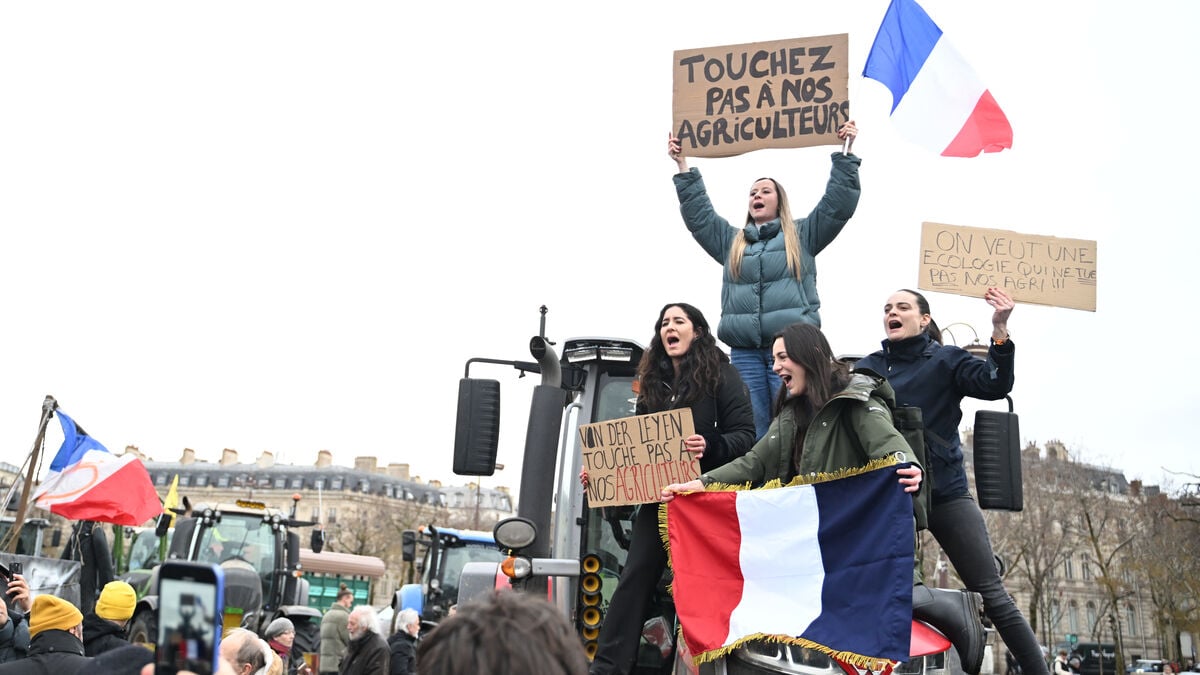
New protests are also expected from opponents. Farmers, especially in France, are concerned that the agreement will make it more difficult for them to compete.
The French far-right National Rally has already promised to push for another vote of no confidence against von der Leyen.
At the same time, US trade policy under President Donald Trump has made many Europeans who were previously hesitant about Mercosur more receptive to an agreement. And there is now greater interest in trading with Europe from other parts of the world as well.
"When the US closes - what other major economies are there then? Well, then the European market is there. So the interest from both sides has increased," says Benjamin Dousa.
The EU and the Mercosur countries - Brazil, Uruguay, Argentina and Paraguay - have been negotiating a free trade agreement since 1999.
The European Commission expects that lower tariffs and quotas will increase annual exports to the four countries by almost 40 percent in general and around 50 percent when it comes to agricultural products.
Agriculture is also one of the major contentious issues surrounding the agreement. Major meat-producing EU countries such as France and Ireland are skeptical and deeply concerned about increased imports of cheap meat from Mercosur.
Bolivia has also been part of Mercosur since last year, but needs to undertake additional negotiations with the EU if it wants to be covered by the agreement.