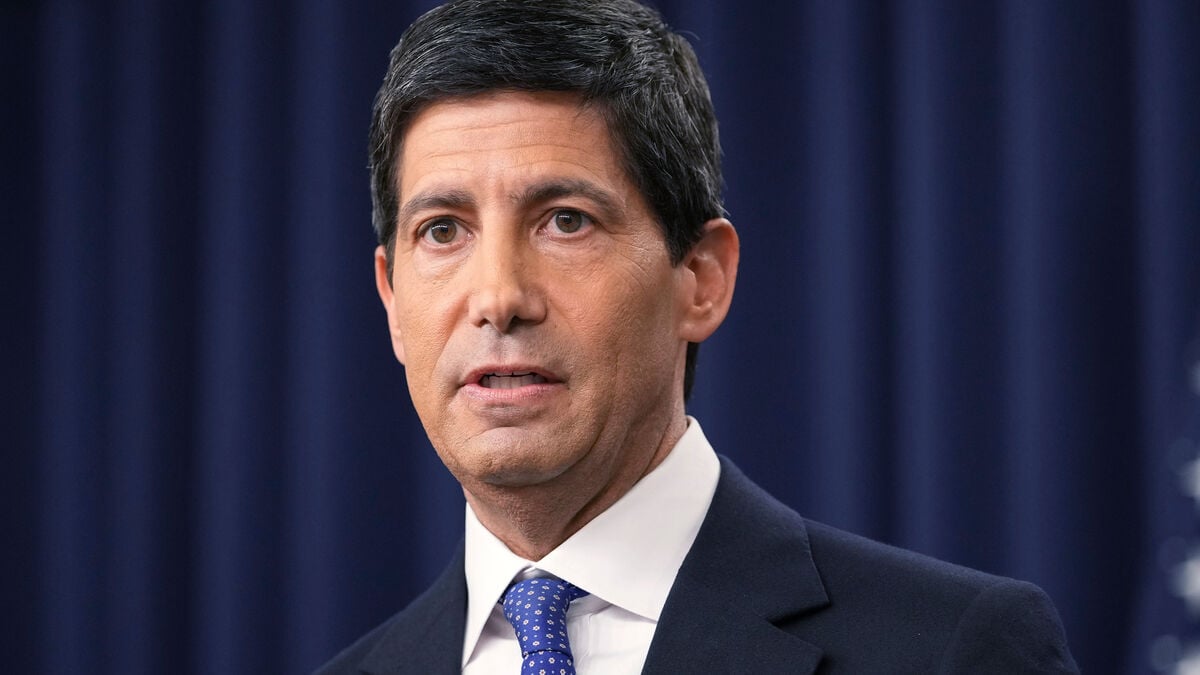
The US Federal Reserve (Fed) is raising interest rates by a quarter of a percentage point, as expected, to a range of 3.75-4.00 percent. The Fed's board of directors unanimously voted in favor of the move. This is the first hike since 2023.
The simple fact is that inflation is too high and has been for a long time, Kevin Warsh said at a press conference after the interest rate announcement, CNBC reports.
"This summer's inflation figures do not give me the impression that the underlying trends have improved significantly," he continued.
The Fed is also signalling a further hike this year, writes Bloomberg.
Necessary increase
Robert Bergqvist, senior economist at SEB, believes that the interest rate increase was expected and necessary.
"The communication from the US central bank has been quite clear, that we should expect the interest rate to be raised. If this had not been done, US long-term interest rates would have continued to rise and that would have created further stress in the market," he tells TT.
He emphasizes that if the interest rate had not been raised, it would have been interpreted as "the political fingers from the White House having been very long."
Precarious location
Fed Chairman Kevin Warsh has found himself in a precarious position. With US inflation well above the central bank's inflation target and gasoline and diesel prices soaring as a result of the Iran war, the Fed has been pressured to raise interest rates, thereby going against Donald Trump.
The President is not happy with today's interest rate announcement.
"Interest rates in the United States should be 1 percent or lower because we have the best credit rating in the world," Trump writes on Truth Social.
"Lower interest rates for the US and do it fast," he continues in capital letters.
White House spokesman Kush Desai said in a comment to Fox News that the president is unhappy with the increase, AFP writes:
Today's rather unfortunate decision by the Federal Reserve to raise interest rates lacks, from the administration's perspective, support in economically convincing arguments.