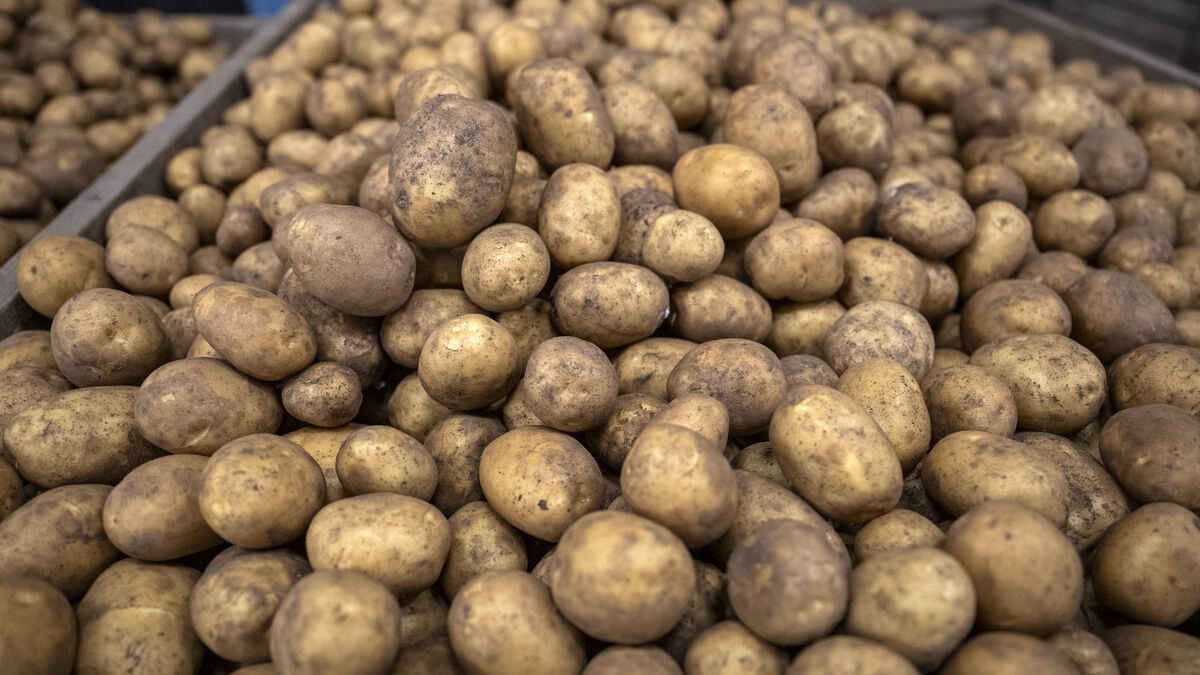
In a new study, researchers from KTH, among others, describe the production of CS5, a peptide that specifically attacks the organism that causes potato leaf mold, without harming other plants.
"The method can be combined with existing strategies and help farmers slow down the development of resistance while reducing dependence on chemical pesticides," said Vaibhav Srivastava, a researcher in glycoscience at KTH, in a press release.
In the 19th century, potato blight caused the Great Famine in Ireland. Today, increased humidity and changing rainfall patterns due to climate change are helping the disease spread more rapidly.