Clouds have begun to gather over Siaya in western Kenya, where farmers are preparing for the rains. This is usually the time of year for the short rainy season. But this year is different. On the other side of the world, the Pacific Ocean is heating up at an unprecedented rate. El Niño, a weather phenomenon that occurs every two to seven years, usually brings more rain to East Africa. This year, El Niño is expected to be the strongest on record. How it will play out is uncertain, but forecasts point to torrential rain.
We are expecting a lot of rain. The challenges are mainly for agriculture and small-scale farmers, who are often not prepared, says Monica Nderitu, climate advisor at the organization Vi-skogen.
The rain can lead to life-threatening floods and landslides.
People often die when entire farms are washed away. It is also common for livestock to die, she says.
The harvest is in danger
Sensitive crops can be destroyed or rot in waterlogged fields. The entire top layer of soil can be washed away by surface water, which also creates problems for future harvests.
They depend on their land for the food they eat, the clothes they wear, their children's school fees - for everything in their lives. So if their land can't produce, they're basically dead, says Emily Ouko, technical advisor at Vi-skogen.
Preparations began in January. She and her colleagues have trained farmers on what to do. The water can also become a resource if it is collected.
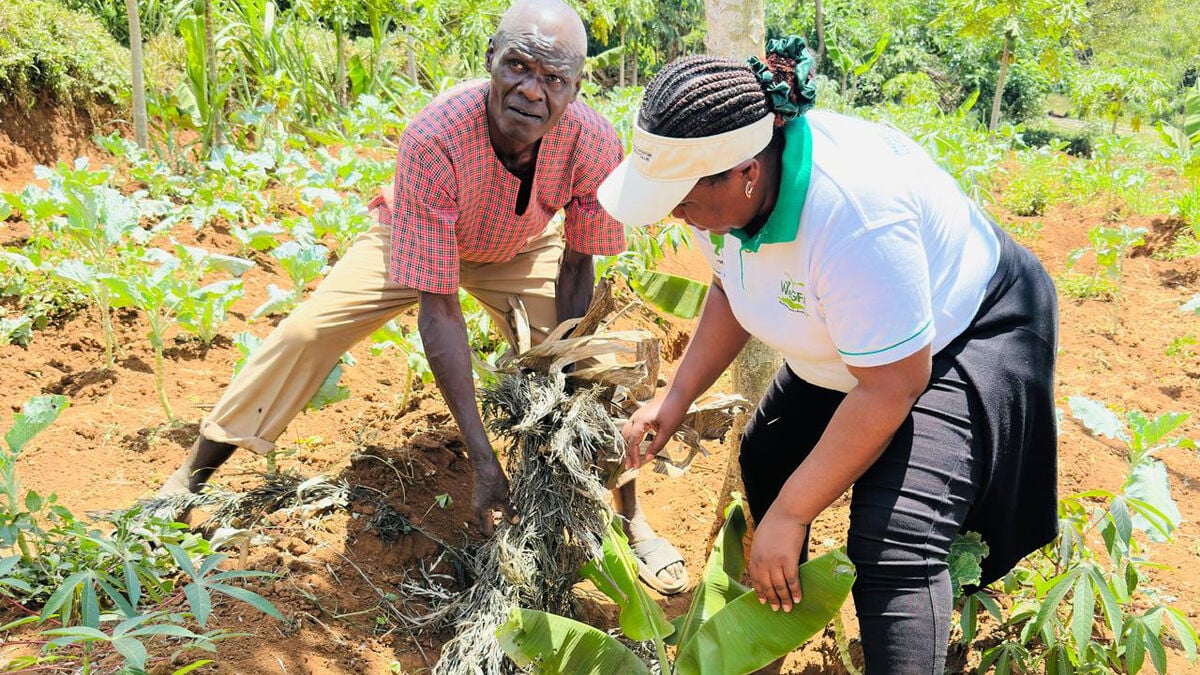
I have arranged for water collection and have also dug some pits on the side to take care of the excess water, says Alfred Omondi Odong'.
We have planted bananas, and also what we call cover crops.
Bananas stabilize
Banana plants stabilize earthen embankments and act as windbreaks. Together with cover crops, which protect the soil from rain, they help retain water and prevent erosion.
Even though water flows over the farm, we have built terraces and grass barriers that stop or slow down the water's advance, thereby ensuring that the soil remains, says Ouko.
The choice of plants can be very important. This year, Vi-skogen has encouraged farmers to choose, for example, vegetables and corn that can be harvested before the rains come, as well as fruit trees that have time to take root and are less sensitive.
I would say that we are well prepared. Now preparedness is about the individual farmer's decisions and actions.
El Niño is a weather phenomenon that occurs when sea temperatures in an area of the Pacific Ocean rise and ocean currents and trade winds stop or change direction.
This can lead to drier weather in some places and wetter weather in others. A strong El Niño is associated with increased rainfall in East Africa, including Somalia, Uganda, Rwanda and Burundi, as well as large parts of Kenya and Ethiopia.
For Kenya, the forecast for October–December points to more rain than usual. The country's health sector has activated a crisis plan to address the dangers.
Source: WHO