In his speech on Friday night, Trump accused US government officials, whom he said were part of the so-called deep state, of downplaying reports that China had carried out an operation to influence American voters. China denies the accusations.
Trump has repeatedly - without providing evidence - claimed that systematic fraud occurred in, among other things, the 2020 election, which he lost to Democrat Joe Biden.
Is at a disadvantage in public opinion
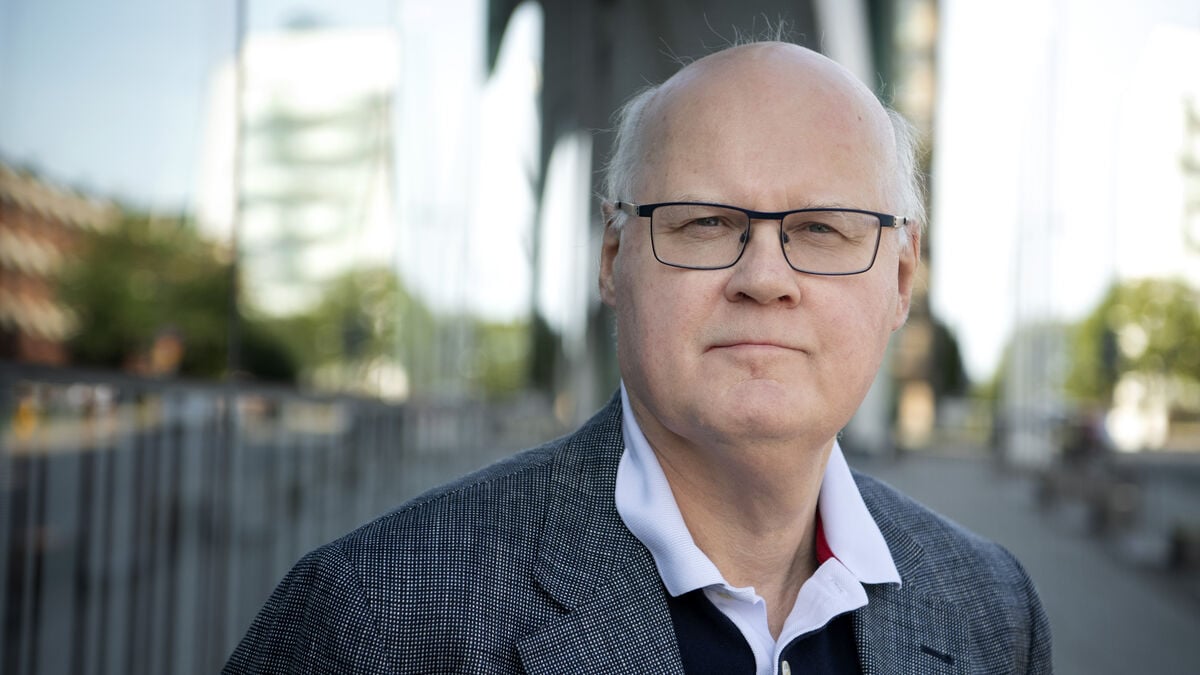
"He is completely fixated on this. It is in his nature that he cannot lose anything and if they claim he lost, it must be due to cheating," says Jan Hallenberg, professor emeritus of political science at the Swedish National Defence University.
In the speech, Trump also claimed that the Department of Homeland Security had discovered that about 250,000 people who were not US citizens were registered to vote in four states, including Nevada, where a spokesperson for the election authority told CNN that the allegations were "pure speculation."
According to Jan Hallenberg, Trump's speech should be seen in light of the Republicans' poor standing in the polls ahead of the autumn midterm elections. To improve the situation, Trump wants to push through the "Save America Act." The bill has encountered resistance in Congress, where even some Republicans have objections.
He believes that if the bill passes, it will increase the Republicans' chances of winning the election, says Jan Hallenberg.
The proposal would require voters to show proof of citizenship in person when registering to vote in federal elections. A photo ID card would also be required when voting.
Inflated rhetoric
The new rules could be problematic for the approximately 21 million voters who do not have access to documents proving citizenship, according to a study by the Brennan Center for Justice think tank.
Jan Hallenberg sees a risk that Trump could further escalate his rhetoric as the election approaches. He believes that the president could even decide to send armed police to monitor the process in certain constituencies in Washington, DC, or states where the race is close.
Armed men standing next to polling stations, scaring away primarily Democratic voters. That cannot be ruled out.