As recently as Friday, Graham made a quick visit to Ukraine, met with Ukrainian President Zelensky and gave his thumbs up to an agreement between the Senate and the White House to increase sanctions against Russia.
It is a weakened voice within the Republican Senate family for internationalism, especially on the Ukraine issue, says US expert Jan Hallenberg, professor emeritus of political science at the Swedish National Defence University, about Graham's death.
He mentions that Graham also tried to find some kind of solution in the Middle East, where he also collaborated with former President Joe Biden.
"It's clear that if you support Ukraine, it's a loss with Graham. On the Republican side, he's been the one who pushed this more than anyone else," says Jan Hallenberg.
But his importance should not be exaggerated, according to Hallenberg. The Senate has not been as important in foreign affairs in recent years compared with the president and the secretary of state.
Opposite to Trump
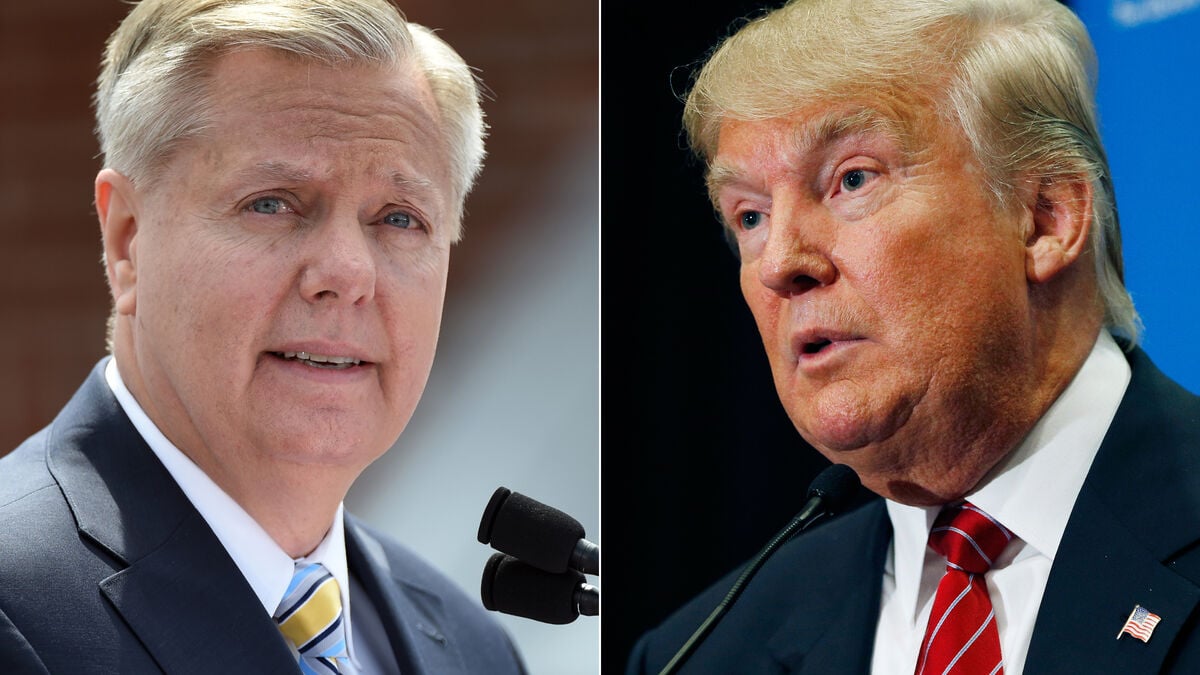
Lindsey Graham was originally a conservative, traditional Republican and criticized Donald Trump harshly before the 2016 presidential election, but turned into a staunch loyalist. In this way, and through rounds of golf with Trump, he managed to maintain his influence in foreign policy. When Trump went to war with Iran, he reaped the benefits, as he had previously been an open and enthusiastic advocate of the United States using military force in foreign policy.
He played an important role in foreign policy, says Dag Blanck, professor of North American studies at Uppsala University.
Elected to power
Graham, according to Blanck, is a telling example of the path Republicans have taken under Trump. He and many other former Trump critics, including current Secretary of State Marco Rubio, have chosen power over ideals.
According to Dag Blanck, it will be the governor of South Carolina who appoints Graham's successor in the Senate until the candidate who wins the midterm elections in November is sworn in.