Infections caused by vibrio bacteria are often associated with swimming in countries around the Mediterranean - and that is wrong, says Betty Collin, lecturer in microbiology at Kristianstad University College and a nurse in infection care at Skåne University Hospital.
She has been researching vibrio bacteria for 20 years and says there are risks from swimming in Sweden too.
The bacteria are found in salt or brackish water in the Sound and along the southern Baltic coast.
"But we don't know how far north they have come and we don't know what it looks like on the west coast. We need to study that more closely," says Betty Collin.
Can cause sepsis
If you become infected, you can get bath wound fever, which in the worst case can lead to sepsis.
We have had patients who have had severe sepsis and who have had amputations. Unfortunately, deaths do occur. For those who become infected, the suffering can be enormous. Often, they stay in hospital for a long time.
Some of the patients had large wounds when they bathed, while others had smaller wounds. This is how vibrio enters the body.
The risk of getting sick is greater if you also have underlying diseases and a weak immune system. It is usually the elderly who are affected. But we need to learn more about the risks, says Betty Collin.
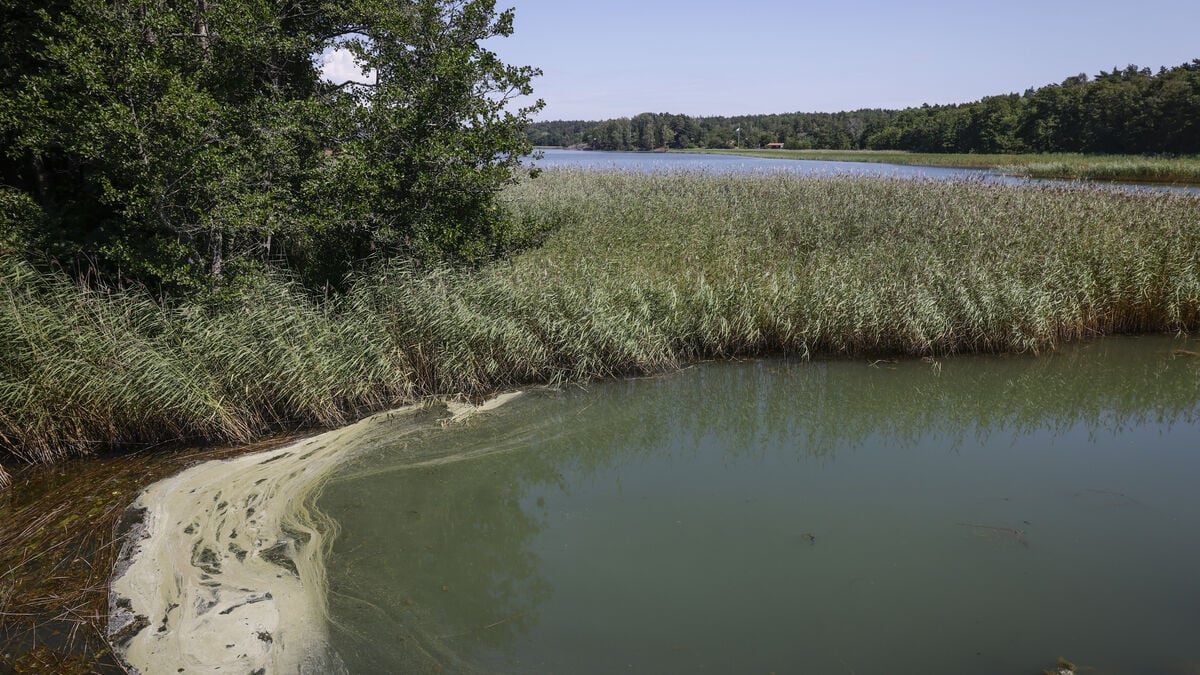
Algal bloom increases the risk
Swimming during an algal bloom is particularly risky.
Warm water above 20 degrees in combination with algal blooms causes the concentration of bacteria to be higher.
Another problem is that vibrio is quite new in Sweden, even among doctors.
They don't know about the bacteria and what resistance mechanisms to antibiotics they carry, which is important for implementing the right treatment quickly, says Betty Collin.
There are several species of vibrio bacteria that can cause wound infections.
The bacteria found in Sweden are vibrio vulnificus, which can cause serious wound infections, vibrio parahaemolyticus, which can cause intestinal and wound infections, and vibrio cholerae, which can lead to tissue death and sepsis.
The bacteria are naturally found in the ocean. When they become very numerous, for example during algal blooms, the risk of encountering them is greater.
So far, the bacteria have not been found in Swedish inland waters or freshwater lakes.
Vibrio infections peak in late summer, with many people falling ill in August or September.
Most cases have been reported from Blekinge, Skåne, Kalmar, Halland, Gotland and Västra Götaland.
During warm summers such as 2006 and 2018, several severe wound infections and cases of sepsis were documented in Sweden.
In 2018, a person in Halland died of sepsis caused by bath wound fever.