Shipping through the Strait of Hormuz has been essentially halted by Iran after Saturday's American and Israeli attacks on the country. The strait is the world's most important transport route for oil exports - normally 20 million barrels of oil pass through every day.
There is very limited, if any, access through the strait. As long as it remains like this, prices will only continue to rise, says Christian Kopfer.
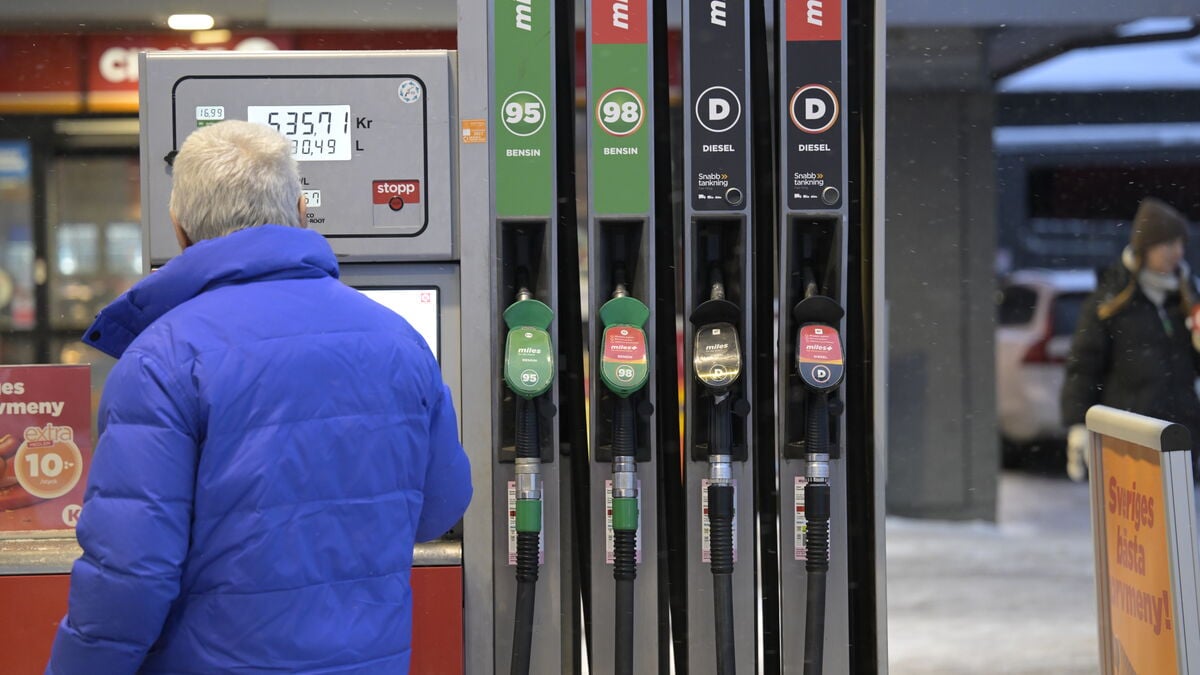
So far, oil prices have risen about 20 percent since Friday to $80 per barrel, according to Kopfer. Gasoline prices in Sweden have risen by about 70 öre to 16 kronor per liter.
Can surge
For every day the Strait of Hormuz is closed, prices will rise further. If the stoppage were to continue for a month, Kopfer expects a new price outlook.
Then it's over $100 a barrel.
That would in turn cause gasoline in Sweden to rise by around 10 percent compared to today's levels to approximately SEK 17.50 per liter, according to Kopfer.
The fact that the price of oil has not already risen to $100 per barrel is because the market does not expect it to be a long-term closure.
It's also not thought it will be fully reopened in the short term. It's some kind of in-between - there's a certain risk that it will continue, but also a certain chance that it will be reopened.
Affects the Americans
The United States does not want to see any escalation of the conflict because the rising oil price also affects Americans, says Kopfer.
Both sides in the conflict fundamentally have an interest in keeping the strait open.
The fact that fuel prices are rising this sharply in the US will not end well, he says.
Trump is tying a noose around his own neck.