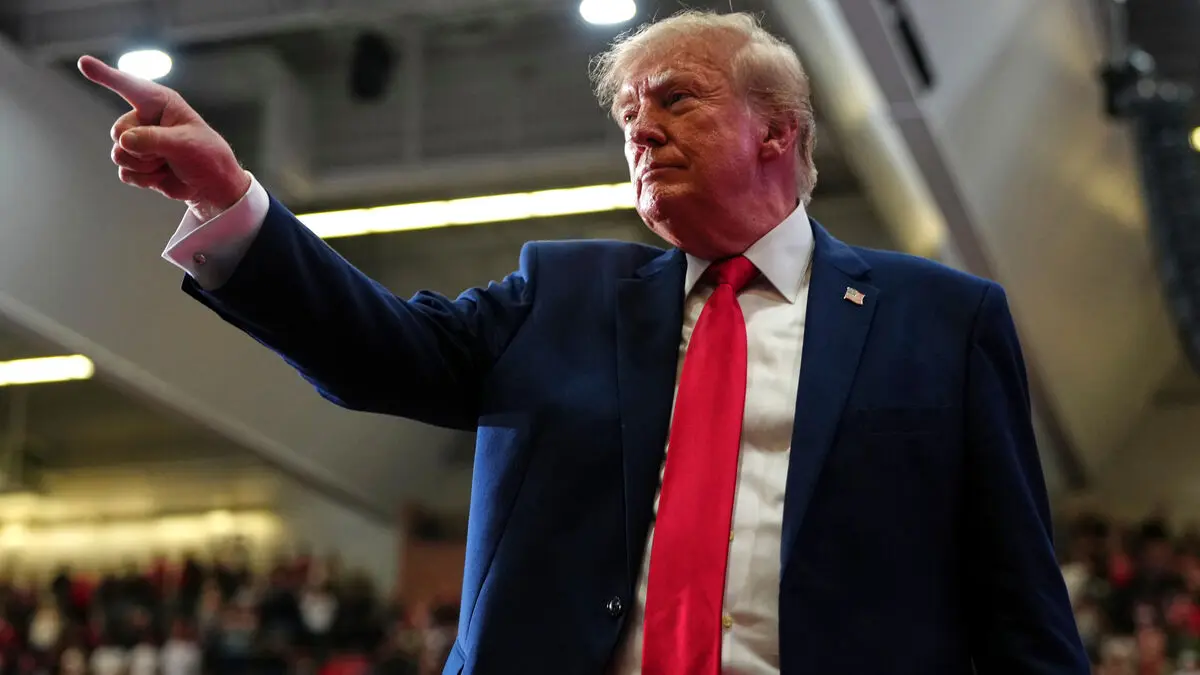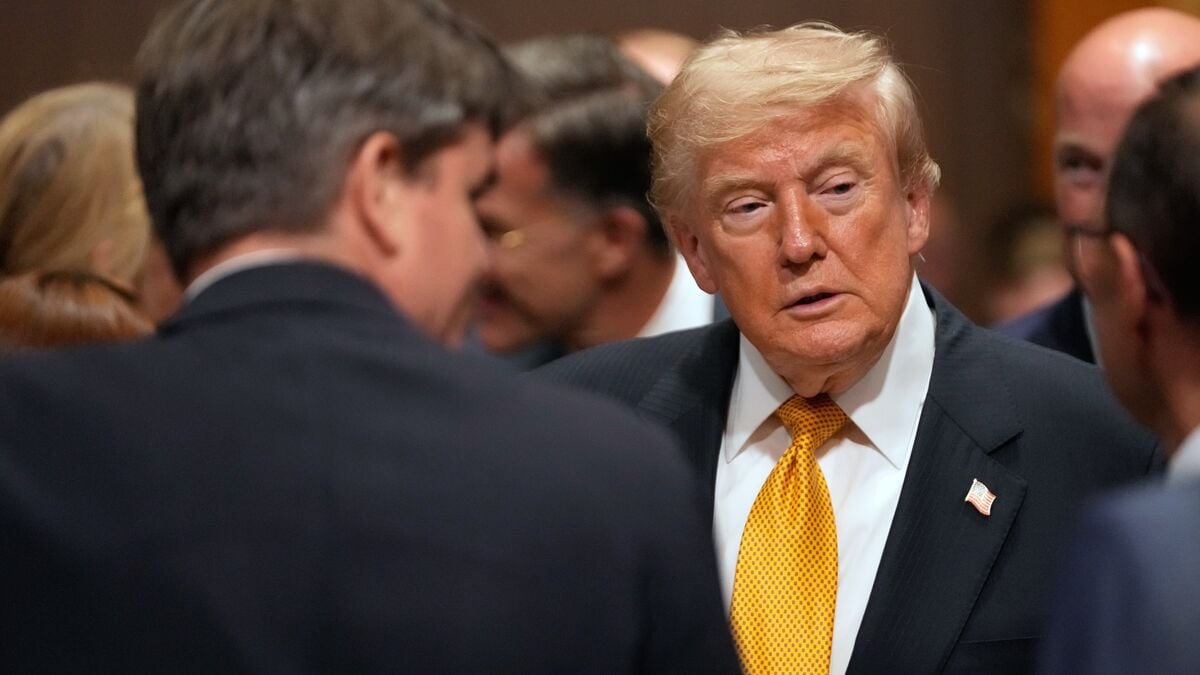
Trump is pursuing a tough rhetorical line in the hope that it will generate concessions and that the Iranians will back down, says Fredrik Meiton.
So his saying that about the ceasefire doesn't necessarily mean that it's actually over, but rather that he's making a threat, he says.
The US confirmed on Tuesday evening that it had attacked Iranian coastal areas in response to Iranian attacks on maritime traffic in the region. And on Wednesday morning there were reports of explosions in several places in the Persian Gulf.
Resume trade traffic
According to the declaration of intent that the US and Iran signed just under a month ago, Iran will ensure that commercial traffic through the Strait of Hormuz is resumed for 60 days.
Fredrik Meiton believes that the issue of the Strait of Hormuz and who dictates the rules there is central to the conflict:
The Iranians are not willing to go back to how things were before the American-Israeli attacks on February 28, but they feel they are in a position to demand concessions, he says, continuing:
Iran wants to be able to dictate where you can sail and when you can sail and probably also wants you to pay some type of fee to get through the Strait of Hormuz.
“Prefer stability”
The Americans have a different opinion and hope that Iran will change its mind at the negotiating table, according to Meiton.
But I think that's wishful thinking, he says.
Iran is so convinced that it has the upper hand here that the US probably has to choose between either agreeing to Iran gaining greater control over the strait or escalating the military attack.
And my guess is that Trump prefers stability, says Fredrik Meiton.