Everyone needs to eat and food in various forms is around us all the time, throughout our lives.
It is impossible to avoid that holidays are a lot about food. When someone has an alcohol addiction, you can avoid having alcohol on the table, but food is and should be a natural part of life, says Pia Elofsson Varis, operations manager at Frisk & Fri, the national association against eating disorders.
It is estimated that over 200,000 people in Sweden have some form of eating disorder. Many people see anorexia as their first symptom, but most forms of eating disorders are not visible on the outside. In addition to physical stress on the body, eating disorders are linked to various forms of mental illness. A recent study has shown that the problems persist for several years after diagnosis.
Many questions about Christmas
At Frisk & Fri, we notice that we get a lot of questions during holidays like Christmas, not least from relatives.
Avoid talking about how we eat. It's so easy to say things about how much or little we eat, about taking the opportunity to treat ourselves or eat healthy for the rest of the year, says Pia Elofsson Varis.
It can be terribly difficult for a person with an eating disorder, she says, adding that it is of course okay to say that something is delicious or looks nice.
For someone with a complicated relationship with food, a buffet is often extremely anxiety-provoking. In addition, you are expected to eat with people you may not normally eat with. Then, a well-meaning comment about food or appearance can have major consequences and lead to conflict.
One tip is to talk to those you are celebrating with beforehand. If you have a child with an eating disorder, tell them about the situation.
Do as usual
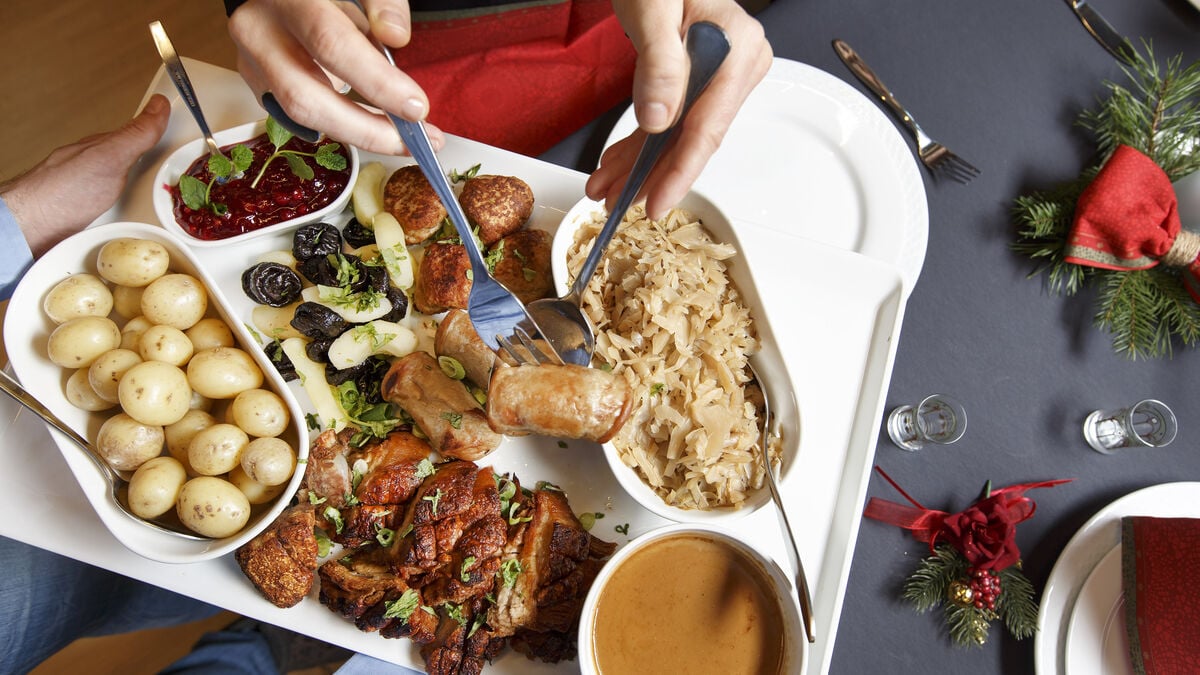
When Pia Elofsson Vari's daughter was suffering from an eating disorder, they chose to set the Christmas table just as usual. She doesn't think everyone else should adapt to what someone with an eating disorder wants.
It could be that the sick person is normalized. Then everyone doesn't have to take everything off, almost no one does.
She advises anyone who is worried and suspects an eating disorder in someone close to them to talk and dare to ask.
It is more dangerous to remain silent, as this gives the eating disorder free rein. Saying that you are worried and want the person to feel better is never wrong. But avoid doing so during meals or in a stressful situation, and avoid talking about weight and body.
You should also be prepared for a nasty response. Many people get angry and sad.
But in retrospect, many people express gratitude that someone actually said something. So don't give up, there is help available, says Pia Elofsson Varis.
In Sweden, it is estimated that just over 200,000 people suffer from an eating disorder.
Anorexia (Anorexia nervosa): This involves starving yourself and being terrified of gaining weight. Although this is the most well-known form, it only accounts for about 10–15 percent of all cases.
Bulimia (Bulimia nervosa): Involves recurrent binge eating followed by attempts to compensate for the food intake, for example through vomiting or excessive exercise. The sufferer is often of normal weight.
Binge eating disorder (BED): Resembling bulimia with repeated binge eating episodes, but without the compensatory behavior, this is probably the most common eating disorder and is often, but not always, linked to obesity.
Eating Disorder Not Specified (EDN): An umbrella diagnosis for those who have severe eating disorder symptoms but do not meet all the criteria for a specific diagnosis. This is a very large group of patients.
Avoidant/restrictive eating disorder (ARFID): A long-term restricted eating pattern that can lead to nutritional deficiencies and/or weight loss. In children, the diagnosis may also involve stunted weight gain/growth. People may experience a strong disinterest in food, fear of choking, for example, or a hypersensitivity to certain smells, tastes, and textures.
Anyone with an eating disorder or who is caring for someone with an eating disorder can contact Frisk & Fri via chat, phone or email. They also have support groups and meetings in several locations around the country.
Source: Frisk & Fri and the National Board of Health and Welfare