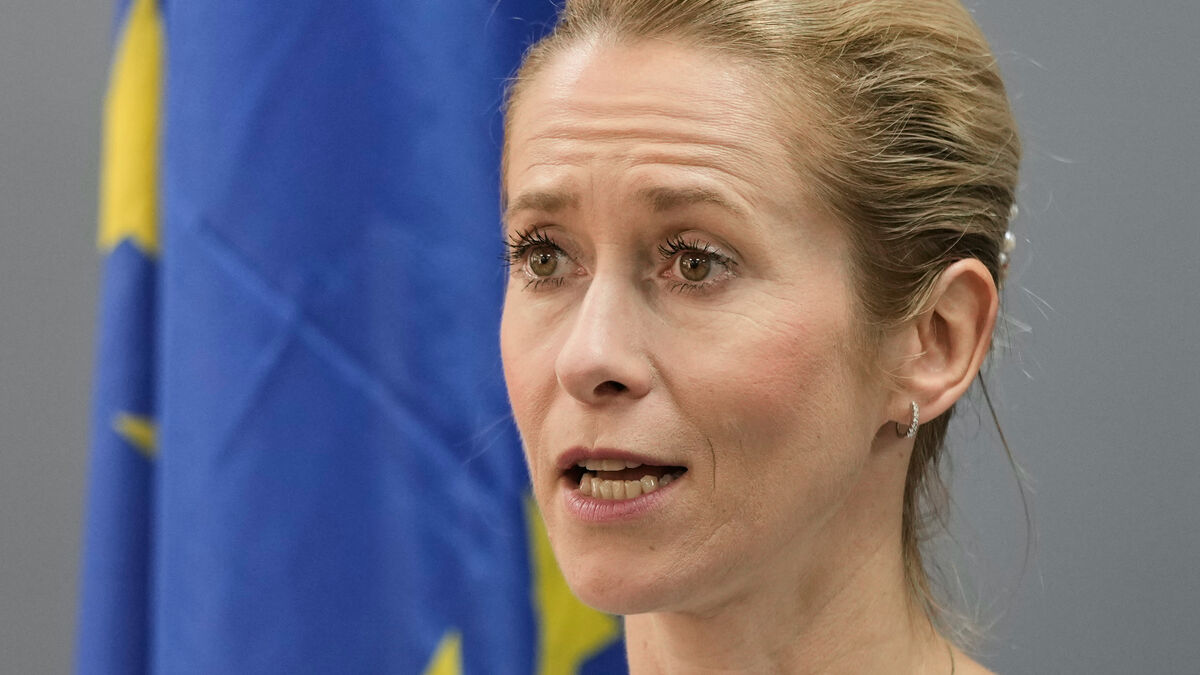
“Europe has once again shown a united front,” says EU foreign policy chief Kaja Kallas at the press conference after new EU sanctions were agreed at a meeting of EU foreign ministers in Luxembourg.
The majority of the sanctions target individuals linked to the development of Russian ballistic missiles. Their names are listed across more than 1,000 pages of formal decisions.
In practical terms, the sanctions entail a ban on entry to the EU and the freezing of assets, as well as a ban on economic relations with people and companies in the Union.
Concerns over diesel contracts
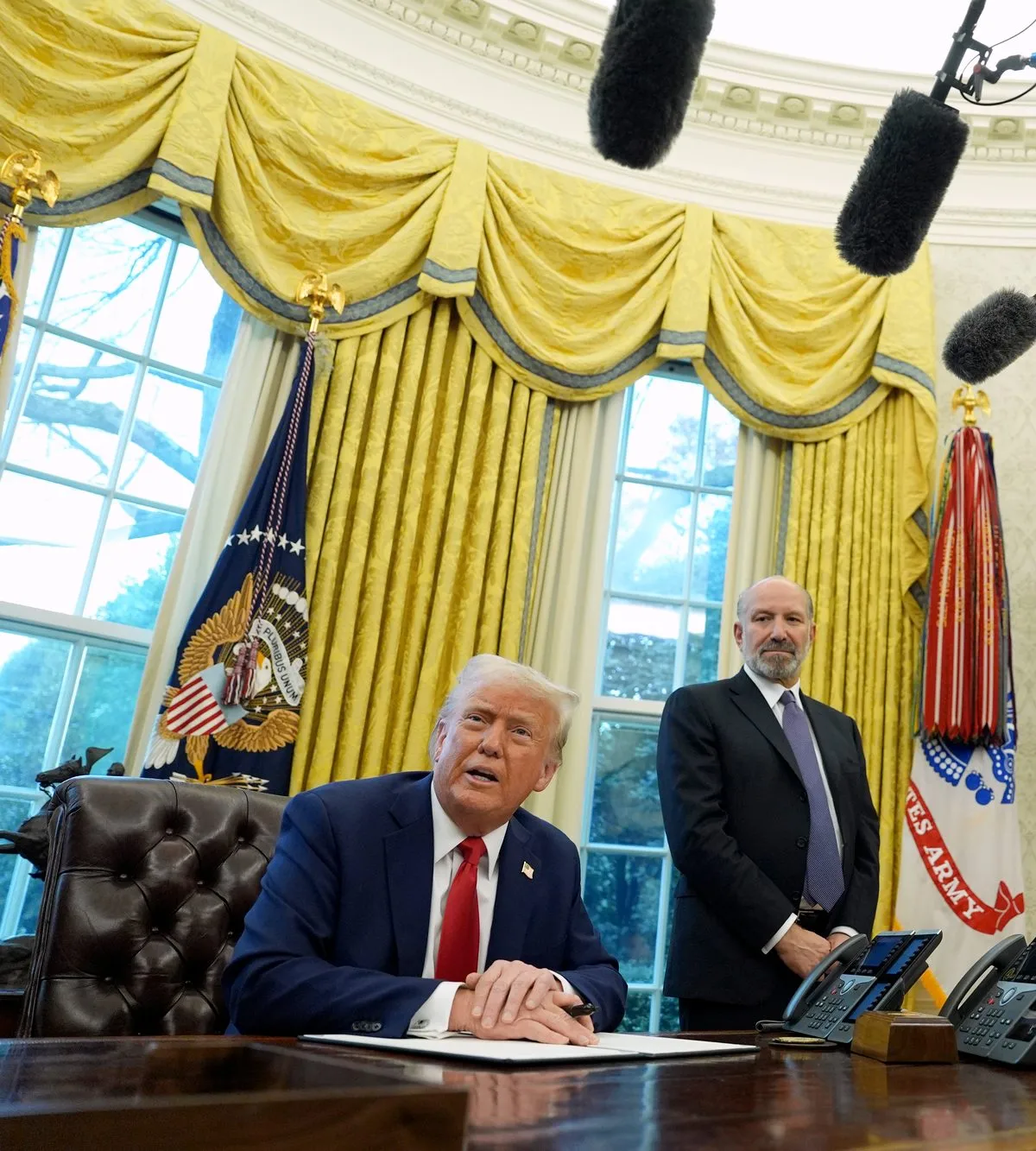
At the same time, EU foreign ministers are grappling with how to respond to a series of recent US interventions - not least the “energy ceasefire” that President Donald Trump says he has pushed through.
“The ministers supported an energy ceasefire today . . . but only if Moscow follows it,” Kallas says.
Sweden’s Foreign Minister Maria Malmer Stenergard (M), in turn, regrets both Trump’s calls for elections to be held in Ukraine and the decision to allow imports of Russian diesel.
“It is not at all appropriate to hold any elections in Ukraine unless there is at least a ceasefire, but preferably peace,” she says on her way into the meeting.
Acting for the ICC?
The question is also how the EU should respond to the sanctions the US has threatened to impose on the International Criminal Court (ICC) in The Hague.
Belgian Foreign Minister Maxime Prévot wants to investigate whether the EU’s blocking statute, which directs EU countries not to comply with US sanctions, can be used. Maria Malmer Stenergard is also open to the idea.
“If it is necessary to activate the blocking statute, then we must do so,” she says in Luxembourg.
Protects against repercussions
The blocking statute is formally an EU regulation that protects companies and citizens in the EU from the effects of laws and sanctions imposed by other countries.
This means, among other things, that judgments and rulings based on such legislation are not considered valid in the EU.
So far, it has been used to prevent Europeans from being affected by US measures against Cuba in the 1990s and Iran in the 2010s.
Kaja Kallas notes that the six months remaining before the US sanctions take effect allow time for negotiations, but says the EU is also ready to act.
“The EU has options to ensure that the court can continue its important work,” the foreign minister says.
EU member states decided on Monday to add 826 companies and 743 individuals linked to the Russian military industry to their sanctions list of those deemed to undermine or threaten Ukraine’s territorial integrity.
In parallel, 77 other people were added to the list in connection with recent parliamentary elections in Russia. Seventy-four of them ran in the elections in Russian-occupied territories of Ukraine.
In total, almost 4,600 people, companies and organizations are on the list.
Source: Council of the European Union.


What do you think?