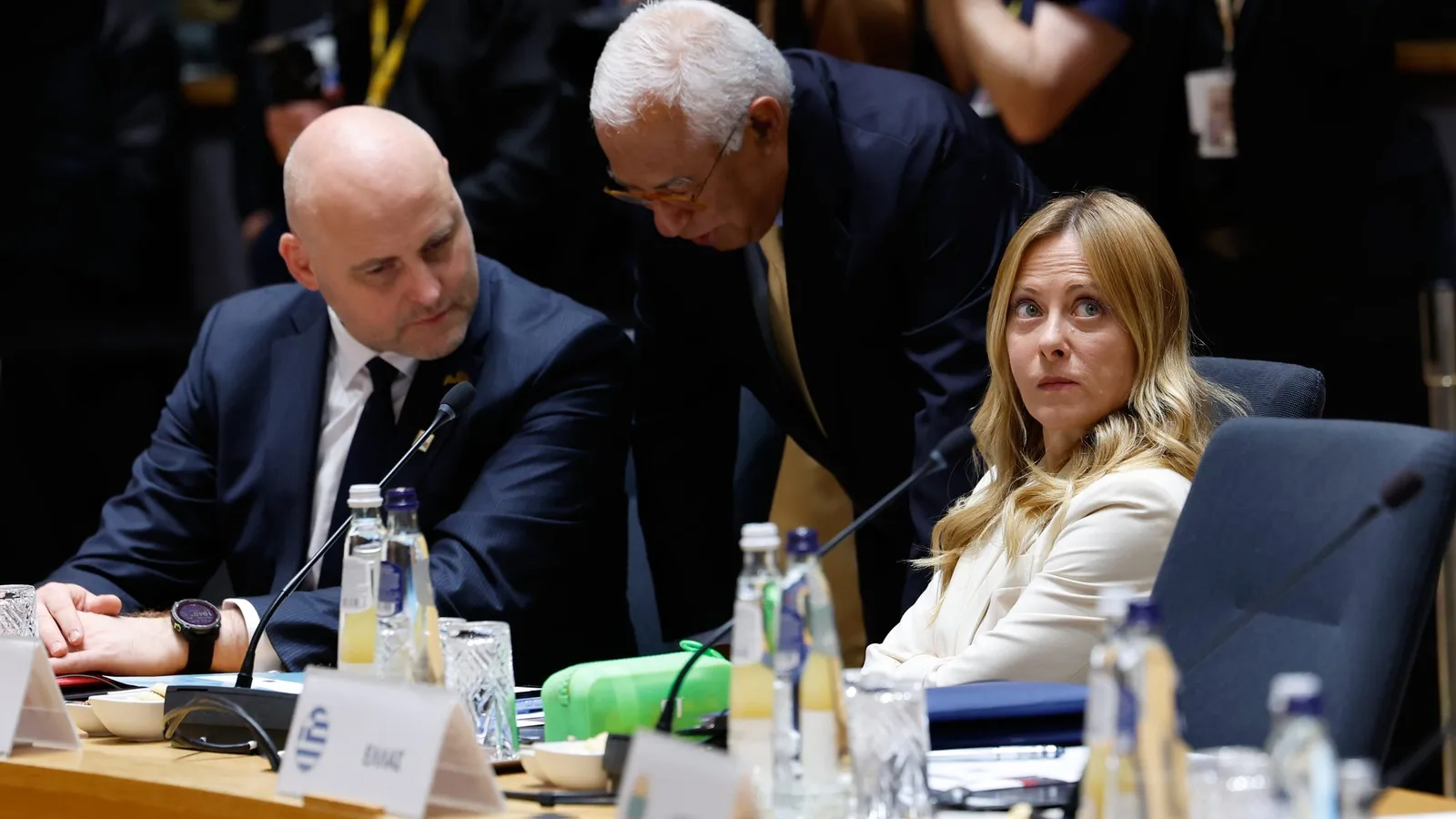
The need for new EU revenue sources is repeated almost like a mantra in negotiations on the EU budget for 2028–2034.
In practice, these are various types of EU taxes. The Commission intends to raise a total of the equivalent of 500 billion Swedish kronor a year from, among other things, a tax on electronic waste and a tobacco tax, annual lump-sum payments from the largest companies, and increased revenue from the carbon border adjustment mechanism (CBAM) and the emissions trading system (ETS).
Parliament has in turn proposed taxes on digital services, online games and cryptocurrencies.
“No free money”
In Sweden, however, both the government and the opposition are opposed, arguing that there is excessive faith in these revenue sources.
We have never said that we could never consider anything at all, but there is a very optimistic view of how much money could be raised through our own resources, Prime Minister Ulf Kristersson (M) said after the latest EU summit.
There is no free money. This is money that would otherwise remain with citizens or go to the member states.
German-French unity
Supporters believe the new revenue is needed to secure the larger budget they say the EU needs to invest in the future.
No country wants to pay much more than it does today through the “normal” system, in which each country’s contribution is calculated according to the size of its economy.
It is above all French President Emmanuel Macron who is pushing for the new revenue. He is now also said to have brought German Chancellor Friedrich Merz around to his position, according to the news site Politico Europe.
Concerns over Le Pen
Merz remains firmly opposed to the proposed EU tax on large companies. However, he is open to other taxes that could significantly reduce Germany’s usual EU contribution.
The Franco-German agreement has given new life to hopes of reaching a budget deal before the end of the year. Macron has also warned that otherwise they will have to wait and negotiate the budget with France’s next president - who could well be Marine Le Pen.
So far, Sweden is not concerned.
Sweden will not rush into a quick negotiation that could lead to a bad outcome just because other countries think it is impractical for the process to extend into 2027, Kristersson said after the EU summit.



What do you think?