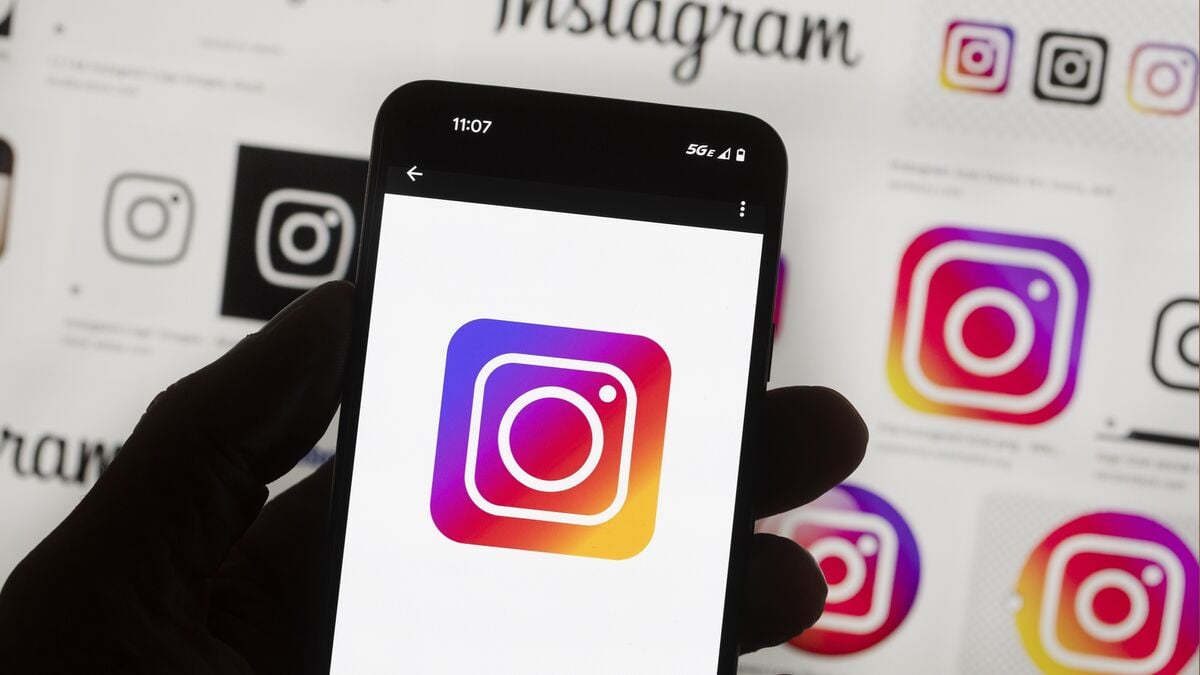
The 13-year age limit on both Facebook and Instagram is simply too poorly enforced, according to the EU.
"Our preliminary results show that Meta is doing very little to prevent children under this age from using their services," said EU Commissioner Henna Virkkunen at a press conference in Strasbourg.
Now a change is required - otherwise the EU threatens fines that could amount to up to six percent of Meta's global turnover, which last year was around 200 billion US dollars.
"There are limits to how much business can be done at the expense of people's well-being," said Virkkunen.
"Not enough"
The investigation into how Meta meets the requirements of the EU's Digital Services Act (DSA) has been ongoing since spring 2024.
The Commission is targeting children under 13 who claim to have been born significantly earlier, "without effective checks to ensure that this is accurate." Meta’s system for reporting users under 13 is also considered complicated and ineffective.
Meta, however, disagrees.
"We are clear that Instagram and Facebook are intended for people aged 13 and over and we have measures in place to detect and remove accounts from anyone under that age," a Meta spokesman said, according to the AFP news agency.
Both sides promise to continue talks on the issue.
"It is clear that what they are doing now is not enough," warned Virkkunen.
Apps in all countries?
In parallel, the European Commission is pressing for all EU countries to use the technology in a special age-verification app that has been developed with the aim of more securely checking age limits online.
EU countries are now being urged to develop plans and introduce age-verification apps in all countries by the end of the year.
The Digital Services Act (DSA) is an EU regulation that entered into force on November 16, 2022, and began to apply in full on February 17, 2024.
Among other things, it states that digital platforms must take greater responsibility for content on their platforms and be transparent about their methods and decisions. The law includes stricter requirements for them to act against illegal content.
In simple terms, DSA can be likened to rules of the game for what happens on digital platforms, such as social media. The aim is to counteract illegal and harmful activities online and limit the spread of disinformation.
The law is intended to help increase user safety and establish the protection of fundamental rights.
Source: Swedish Media Authority