The equivalent of almost a trillion Swedish kronor is being given to Ukraine as a formal loan after being blocked by a Hungarian veto for a long time.
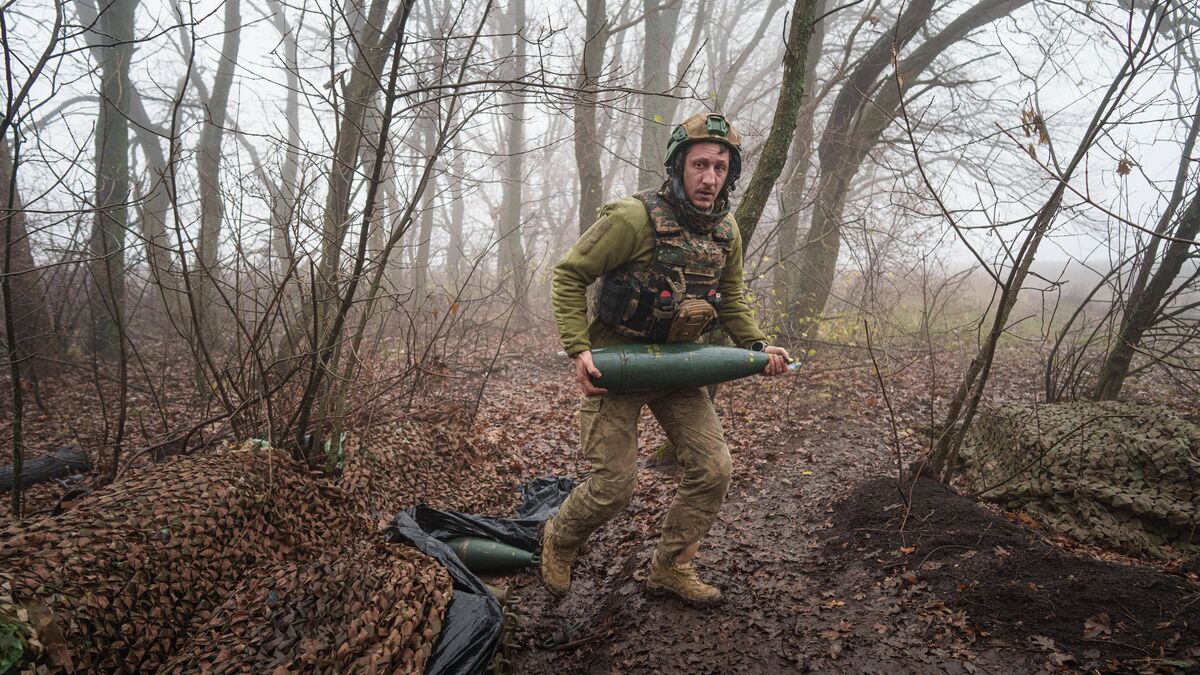
Two-thirds will be spent on heavy weapons and military equipment. One-third of the money will fill a large part of Ukraine's state budget this year and next.
"It is an absolutely necessary step for Ukraine to have a reasonable chance of both managing state finances and defending the country at the same time," says Torbjörn Becker, head of the Eastern Economics Institute at the School of Economics.
Ad
One year, two years?
How long it will last remains to be seen. The entire loan roughly corresponds to the total support that Ukraine has received on average each year during the war, Becker points out. For 2026, the situation now looks good, he says:
"But I don't think they should spend as much money as they do now on defense and then be able to fend for themselves in 2027."
As for Ukraine's dependence on the US, it has already decreased significantly. But when the military aid money is spent, Ukraine will need to buy a lot of American goods and continue to stay on good terms with the Trump administration, Torbjörn Becker points out.
Loan on paper
EU countries call it a large loan, but the terms are very favorable and it is unlikely that it will be repaid in the foreseeable future, if at all. Ukraine's national debt is already high. The country will be war-torn for many years to come, and any war reparations from Russia are far from guaranteed.
"I would say that calling it a loan is a political way to get this money that we all know Ukraine needs," says Torbjörn Becker.
"To be honest, we'll probably need to help Ukraine for quite some time to come."
Ad
Does this put Ukraine in a better position than President Vladimir Putin's Russia?
"Yes, but at the same time, the prices Russia is paid for its oil have basically doubled. If we had not done this, then the economic balance of power would have really been in Russia's favor."

Discussion
opens with reader accounts