The stress absolutely comes from the situation in the Strait of Hormuz, says SEB's macro strategist Amanda Sundström to TT.
Historically, the ECB and the Swedish Central Bank have often gone hand in hand, but that pattern has now been reversed because the inflation picture looks different, says Sundström.
Sweden has low cost pressure while Europe still has problems with not quite getting back to where it wanted to be, and then you have the situation in the Strait of Hormuz with higher energy prices.
In June, the ECB raised its key interest rates to 2.25 percent, which is 0.5 percentage points higher than in Sweden. This means the ECB can go further.
There is little likelihood that the bank will raise rates, but the market has not completely ruled it out. However, many are talking about a possible hike later in September.
Risk of two raises
Inflation outcomes in Europe have not been frighteningly high so far.
It is rather that there is concern that the risks will be underestimated and that the effects will be greater than expected, but also that the situation will simply escalate from here.
Many experts say there is a 50/50 chance of one more hike this year, and market pricing indicates a risk of even two more hikes this year. There is certainly an expectation out there that more could be required from the ECB.
In Sweden the situation is better.
Many countries in the eurozone are very sensitive to high energy prices, so it hits important parts of the eurozone hard. Sweden has more renewable energy and is less dependent on imports than, for example, Italy and Germany.
Calm for the Swedish Central Bank
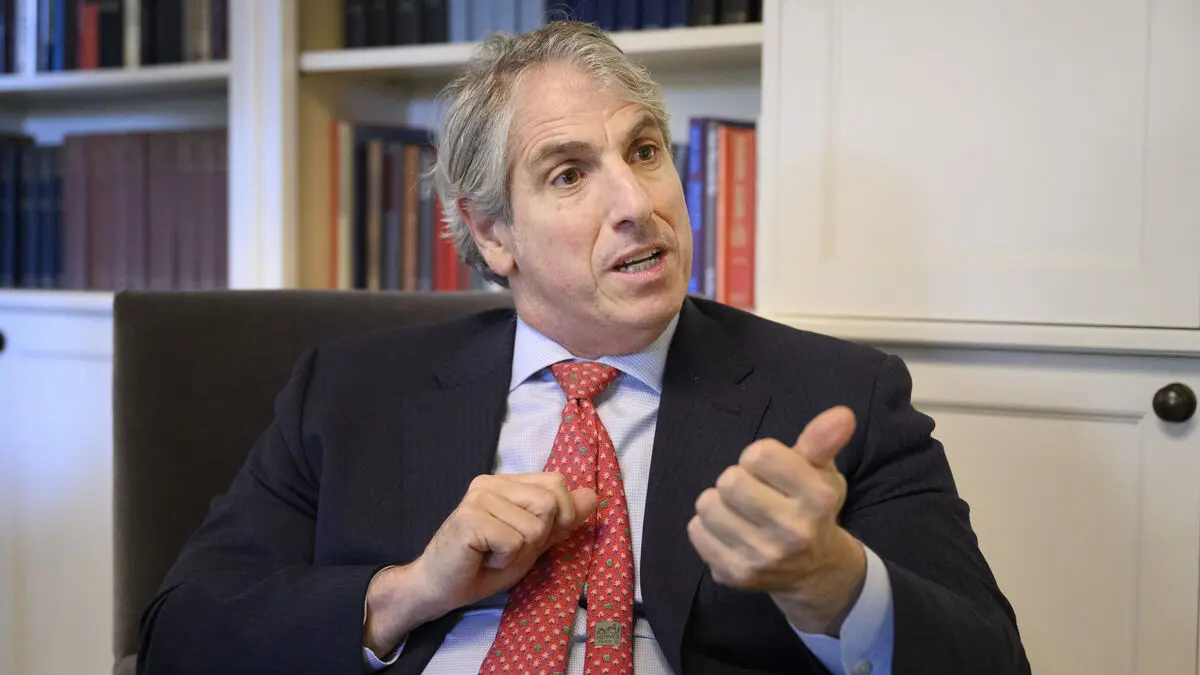
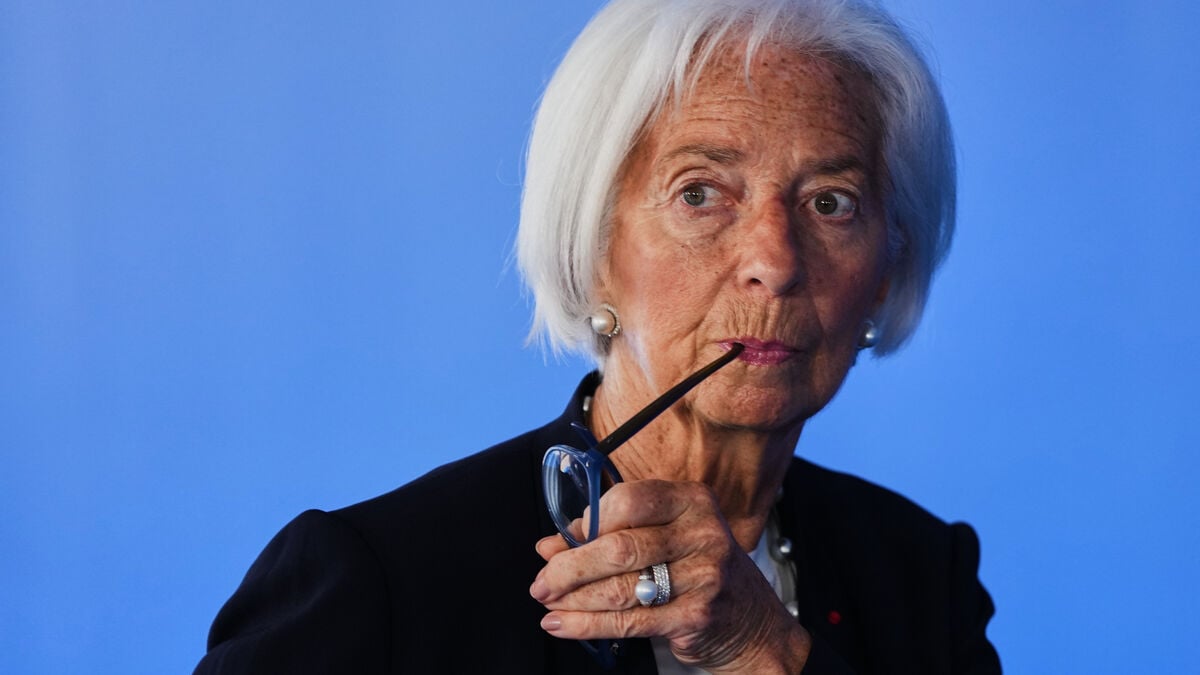
Riksbank Governor Erik Thedéen should have a somewhat calmer time at work than the ECB's Christine Lagarde.
The Swedish Central Bank has more room to wait and see what the effects of the situation will be, while the ECB is worried that it will start to spread more broadly in the economy.
The Swedish Central Bank is less stressed?
I would actually venture to say that I think there is quite a bit less stress at the Swedish Central Bank. It is simply a better situation in Sweden than in the euro area.
The question is whether the Swedish Central Bank can wait even if the ECB raises interest rates, which would widen the interest rate gap further.
I don't think you'll have to raise it and I absolutely believe you can have that big of a difference – it's not several percentage points. The Swedish Central Bank can probably live with that, but it does increase the pressure on them.