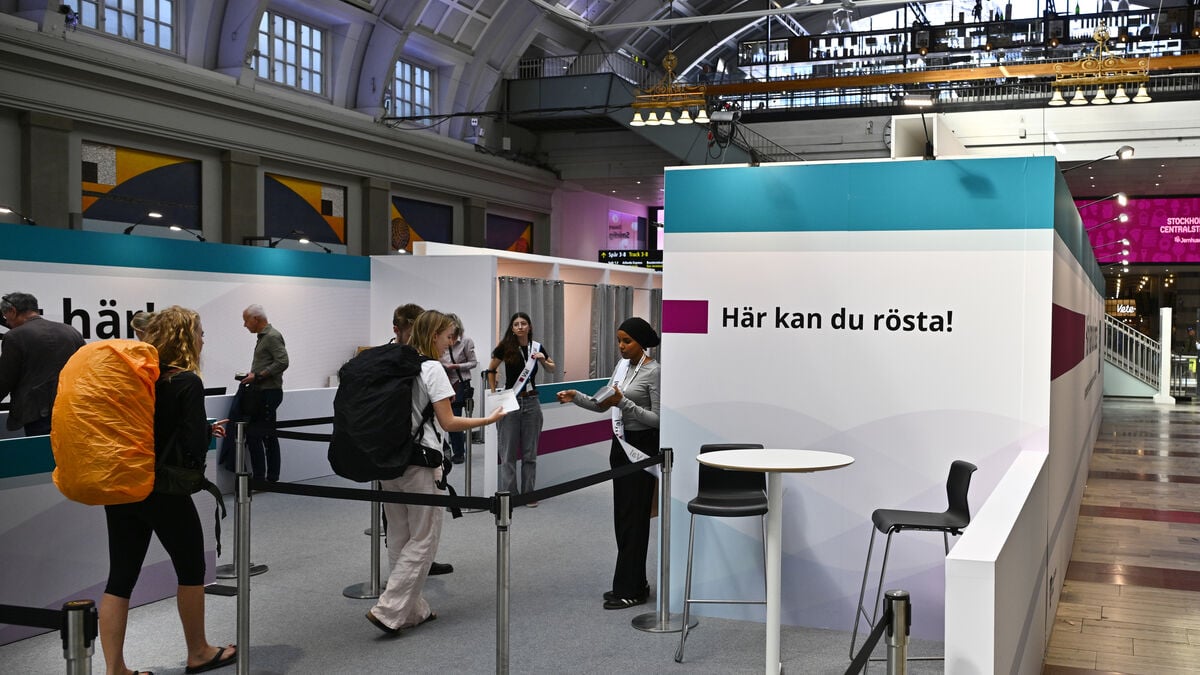
In the 2022 election, 2.1 million people had voted by this time. This means that the proportion of early voters is now 25 percent higher.
The election authority has not identified any explanation for the increase, other than that many seem to think it is simple.
Locked votes
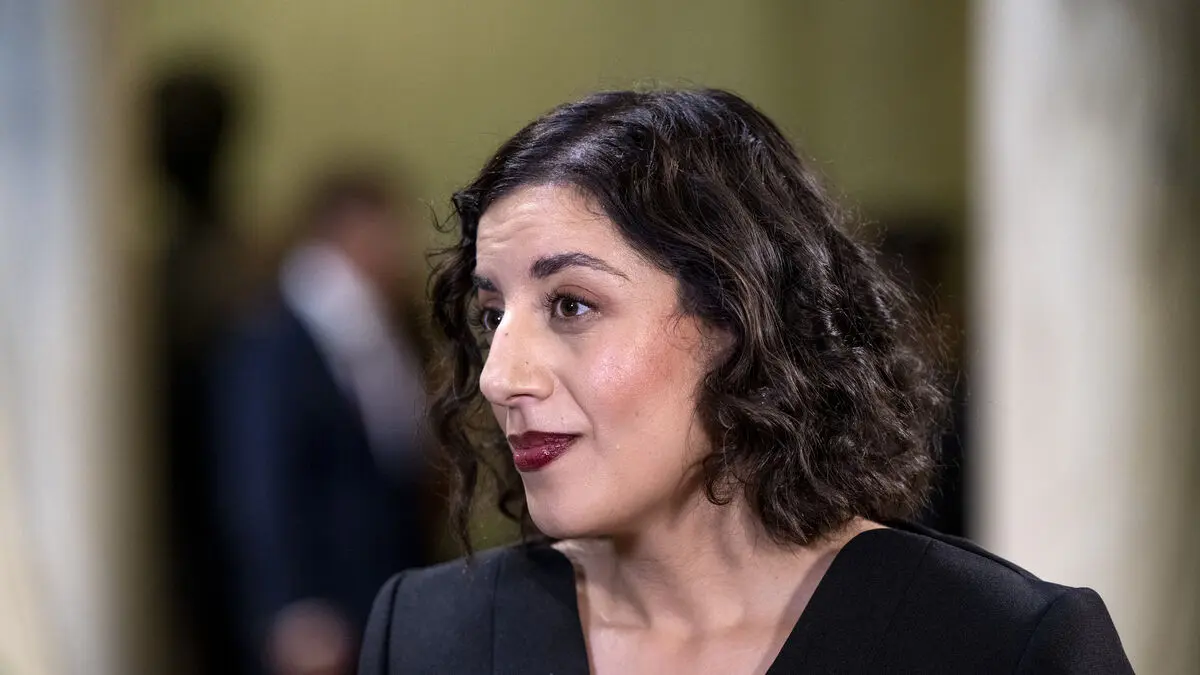
According to Henrik Ekengren Oscarsson, professor of political science at the University of Gothenburg, this means a more "frozen" result compared with the last election.
"Only 10,000 people go to vote, so you might think that these voters have cast their vote. Those votes are locked in, they can't be influenced," he says.
According to Ekengren Oscarsson, it is a bit of a myth that those who vote early are people who have long decided what they will vote for.
Those who already know tend to "dress up" and have a tradition of going to vote on election day itself.
"They are the most uninfluenceable we have. That means a very large part of the electorate that has not yet voted is unreachable," he says.
Changing parties earlier
According to Ekengren Oscarsson, it is unlikely that this group will change blocs.
But there may be some movement within the blocs, for example moderates who might consider joining the Liberals or Social Democrats who suddenly end up in the Green Party or the Left Party.
The parties must speak to voters and their campaign organization as if nothing is clear and that anything can happen.
But voter research tells a slightly different story, and that is that most people who change parties do so earlier in the mandate period, he says.